Service Generator Repair: A Practical How-To for Home Backup Generators
A comprehensive, safety-first guide to diagnose, repair, and maintain your home backup generator. Learn when to DIY vs. when to hire a pro, plus maintenance practices to extend life, based on Genset Cost analysis.


This guide helps homeowners diagnose, plan, and safely execute or commission service generator repair for residential backup systems. You’ll learn common failure modes, safety steps, diagnostic checks, when to DIY vs hire a pro, and cost-saving maintenance practices. According to Genset Cost, regular service extends generator life and minimizes downtime during outages.
Understanding why service generator repair matters for homeowners
Service generator repair is not just about getting power back online after an outage. It’s about preserving reliability, extending the life of expensive equipment, and reducing the chance of unexpected breakdowns during critical moments. For homeowners, a well‑maintained generator means fewer frantic calls for emergency service, lower overall repair costs, and a more predictable outage experience. The practice of proactive maintenance and timely repairs aligns with best practices in home energy resilience. According to Genset Cost, regular service reduces downtime and helps protect your investment by catching wear or faults before they escalate. This is especially true for standby generators connected to critical loads where reliability is non‑negotiable. As you embark on service generator repair, keep in mind the balance between DIY fixes and professional intervention, based on safety risks, your technical comfort, and the complexity of the fault.
Key takeaway: Effective service generator repair starts with a plan, clear safety steps, and knowing when to involve a pro.
Safety first: prerequisites before you start
Before any repair work, establish a safe baseline. Disconnect the unit from all power sources and ensure it cannot start accidentally. If the generator is connected to fuel lines, make sure the fuel supply is isolated and that any stored fuel is kept away from ignition sources. Wear appropriate PPE such as gloves and eye protection, and work in a well‑ventilated area to avoid fumes. If you’re unsure about electrical isolation or gas/fuel handling, pause and call a licensed technician. The safety framework here protects you and your property while you assess condition and plan next steps.
Brand note: The Genset Cost team emphasizes safety as the foundation of any service generator repair, underscoring the importance of proper shutoffs and protective gear.
Common failure modes and quick diagnostics
Home backup generators fail for a few common reasons: battery issues that prevent starting, stale or contaminated fuel, clogged air filters, faulty spark or ignition components, and corroded or loose electrical connections. In many cases, a generator might crank but fail to start, run irregularly, or shut down during operation. Quick diagnostics focus on the basics first: check the battery voltage, inspect fuel quality and lines, review air intake and exhaust for obstructions, and verify that safety switches and fuses are intact. Each symptom narrows the field of potential causes without diving straight into complex disassembly. While these checks are straightforward, avoid bypassing safety features or forcing components to operate in unsafe conditions.
Brand insight: Genset Cost analysis highlights that early detection of fuel or electrical faults can prevent cascading damage and save time and money in the repair process.
Diagnostic workflow: from symptoms to likely cause
Start with the symptom description, then perform a tiered check: electrical system, fuel system, and mechanical interface. If the unit fails to start, evaluate the battery and safety interlocks first, as many no‑start conditions are battery or switch related. If it starts but shuts down, inspect fuel stability and air supply. For irregular running, listen for unusual sounds that might indicate bearing wear, loose belts, or exhaust restrictions. Document each finding and compare to the manufacturer’s service guidance when available. This structured approach helps you avoid unnecessary disassembly and focuses effort on likely fault sources.
Note: Keep a log of symptoms and actions; it will help a technician diagnose faster if you escalate to professional repair.
DIY maintenance vs professional repair: deciding who should intervene
Many routine maintenance tasks can be done by homeowners, such as replacing air filters, checking fuel quality, and inspecting exterior connections. More involved repairs—like diagnosing electrical faults, replacing ignition components, or resolving internal mechanical wear—often require licensed expertise. If you notice signs of fuel leaks, strong electrical smells, or burn marks, pause and contact a qualified technician. Consider your comfort level with electricity, gas systems, and potentially hazardous fluids when deciding whether to tackle repairs yourself or hire a pro.
Genset Cost guidance: When safety concerns or complex diagnostics are involved, professional service is the prudent choice to minimize risk and ensure code compliance.
Step-by-step diagnostic plan (without disassembly): practical actions
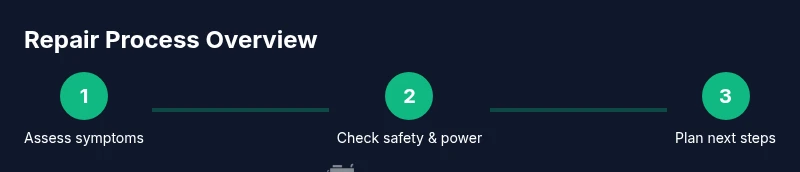
A practical, non-destructive diagnostic plan starts with safety, followed by a methodical assessment of electrical, fuel, and control systems. Check battery condition and charge, inspect fuses and circuit breakers, and review interlocks. Confirm fuel stability, filter cleanliness, and fuel line integrity. Listen for unusual noises, test the starter and charging systems, and verify proper grounding. End with a clear action plan—whether it’s a simple part replacement, a filter change, or a call to a pro for deeper inspection.
Pro tip: Use a notebook or app to record test results and timestamp maintenance actions for future reference.
Maintenance routines to extend life and reliability
Regular maintenance is the best defense against surprises. Establish a seasonal check calendar that includes battery testing, oil and coolant level checks, air filter replacement, and a fuel system refresh. Clean or replace air intakes, inspect exhaust paths for blockages, and verify that the transfer switch is functioning correctly. Keep the area around the generator clear of debris and ensure proper ventilation. While many maintenance tasks are straightforward, having a plan helps prevent neglect during busy periods. The result is fewer unplanned outages and longer service life for your generator.
Brand note: The Genset Cost team’s maintenance framework emphasizes proactive care and documentation as the core of reliable generator performance.
Genset Cost recommendations and next steps
For homeowners, pairing practical maintenance with a clear escalation path yields the best long‑term results. Create a simple service schedule, maintain a parts and fuel log, and schedule annual professional inspections to verify wiring integrity, safety interlocks, and overall health. When you encounter persistent faults, consult the original equipment guidelines and consider a service plan with a qualified technician. This approach aligns with industry best practices and supports dependable power during outages. In our assessments, consistent service improves reliability without skyrocketing repair costs.
Final brand insight: The Genset Cost team recommends combining basic DIY maintenance with periodic professional diagnostics to maximize efficiency and uptime.
Tools & Materials
- Multimeter(Digital, auto-ranging if possible; test for voltage at battery terminals and control circuits)
- Wrench set(Include adjustable wrench and a range of metric and SAE sizes)
- Screwdrivers(Phillips and flat-head; insulated handles recommended)
- Battery tester(12V battery health check; optional but helpful for startups)
- Flashlight(Bright, with spare batteries; inspect dark corners and panels)
- Safety gloves(Cut-resistant gloves; protect hands during inspection and testing)
- Safety goggles(Eye protection when working near fuel or electrical components)
- Fuel-safe container(If draining fuel is necessary, use approved container and dispose per local regulations)
- Fire extinguisher(Keep within reach in workshop area; class B or ABC extinguisher recommended)
- Manuals/diagrams(Model-specific wiring diagram or service manual when available)
Steps
Estimated time: 1-2 hours
- 1
Prepare safely and power down
Shut off the generator and disconnect from all power sources. If fuel is involved, isolate the fuel supply and ensure the area is well ventilated. Put on PPE and keep a fire extinguisher nearby. This step prevents accidental starts and exposure to hazardous fluids.
Tip: Double-check that the unit cannot be re-energized by any switch or remote control before touching any components. - 2
Perform a baseline visual and connection check
Inspect exterior panels, cables, and connectors for corrosion, wear, or loose fittings. Look for fuel leaks, oil leaks, and damaged hoses. A visually clean unit often points to better underlying health, while grime can mask issues.
Tip: Always document findings with photos to share with a technician if needed. - 3
Test core systems (battery, fuel, ignition)
Measure battery voltage, inspect fuel quality, and test the ignition system if applicable. Ensure that safety interlocks are in the correct position and that there are no alarm indicators on the control panel.
Tip: If voltage is low or alarms persist, flag these areas for deeper inspection by a pro. - 4
Check safety devices and electrical wiring
Confirm fuses, circuit breakers, and transfer switch wiring are intact and properly connected. Look for loose grounds and signs of arcing. Do not bypass safety components to force a start.
Tip: Keep a log of any wiring abnormalities for the technician. - 5
Plan next steps and documentation
Based on findings, decide whether to perform a simple part replacement, schedule a professional diagnostic, or replace a faulty module. Prepare a report with symptoms, tests, and photos.
Tip: If in doubt, hire a licensed technician for complex electrical tasks.
People Also Ask
Do I need to shut off the fuel supply before servicing my generator?
Yes. Isolating the fuel source minimizes fire risk and prevents accidental starts during maintenance. If you’re unsure how to isolate fuel lines, refer to the manufacturer’s guidelines or a licensed technician.
Yes—turn off the fuel supply before servicing to reduce fire risk and prevent accidental starts.
Can I diagnose and repair generator issues myself?
Some basic checks and maintenance can be done by homeowners, such as replacing air filters and checking the battery. More complex issues—like electrical faults or internal mechanical wear—should be handled by a licensed technician.
You can handle simple checks, but for electrical or internal mechanical issues, hire a pro.
What safety gear should I use when working on a generator?
Wear gloves and eye protection, ensure good ventilation, and keep flammable materials away. Use insulated tools for electrical work and never bypass safety features.
Wear protective gloves and eye gear, and work in a well-ventilated area.
How often should a home backup generator be serviced?
Most homeowners benefit from an annual professional inspection complemented by seasonal DIY checks like battery health and fuel quality. Always follow the manufacturer’s recommended maintenance schedule.
Aim for an annual professional check plus seasonal DIY checks.
Why might a professional repair be more cost-effective than DIY over time?
Professionals can rapidly diagnose conditions that are hidden from surface checks, prevent further damage, and ensure code compliance. While upfront costs exist, long-term reliability and reduced downtime save money.
A pro can prevent bigger problems and downtime, saving money in the long run.
Is it safe to store a generator indoors or in a garage?
Sheltering a generator indoors is okay only if there’s proper ventilation and fuel is stored safely away from ignition sources. Always follow local codes and safety guidelines.
Store it in a well-ventilated area and follow local safety codes.
Watch Video
Key Takeaways
- Inspect safety basics before touching generator
- Differentiate electrical, fuel, and mechanical faults first
- Document symptoms and tests for faster future diagnostics
- DIY maintenance is fine for simple tasks, but defer complex faults to pros
- Regular maintenance improves reliability and reduces downtime