How to Use an Ozone Generator: A Practical Guide
Educational guide from Genset Cost on safely using ozone generators for odor removal and sanitization. Learn safety, setup, operation, and post-treatment steps for homes and small properties.


To remove odors and sanitize spaces, learn how to use an ozone generator safely and effectively. This guide outlines when to run the device, how to prepare the space, and the essential safety steps. Follow proper ventilation, stay clear of occupied areas, and re-enter only after thorough airing. It covers choosing the right model, setting exposure, and post-treatment ventilation.
What is an ozone generator and how it works
Ozone generators create ozone (O3), a powerful oxidizer that can neutralize many foul smells and organic pollutants. Most home units use corona discharge or UV-light methods to convert oxygen (O2) into ozone. When deployed correctly, ozone reacts with odor molecules and breaks them down into simpler compounds, reducing persistent smells. For anyone asking how to use ozone generator, understanding this chemistry helps you apply it safely and effectively. A well-chosen device can target specific problems—industrial-grade units are capable of more, but household models are adequate for small spaces when used with caution. Remember: ozone is harmful to humans and pets in occupied spaces, so treatments are performed only in unoccupied rooms with strict ventilation afterward. This guide reflects practical guidance from the Genset Cost team to help homeowners minimize risk while achieving cleaner air.
Key takeaways: know your space, pick the right unit, and respect safety limits.
Safety prerequisites before you run an ozone generator
Safety is non-negotiable when using ozone generators. Always operate in unoccupied spaces and post clear signage to prevent accidental entry. Wear a respirator or suitable mask, eye protection, and gloves if you handle parts or sealants. Ensure the area is well-ventilated after treatment and avoid plants, electronics, or fabrics that could be damaged by ozone exposure. Use a timer to control exposure duration and verify you have a safe exit path in case of airflow issues. Genset Cost emphasizes that proper safety steps reduce health risks and improve outcomes, especially for first-time users.
Before starting, disconnect live electrical devices not needed for the treatment and cover susceptible items with plastic sheeting. Store pets and people away from the space, and confirm neighbors are aware if running a larger unit in shared spaces.
Planning your ozone treatment: when to use and when not to
Ozone treatments are commonly considered for persistent odors (smoke, cooking smells), mold-related musty air, and certain surface sanitization tasks when chemical cleaners fall short. They are not a universal cure and won’t replace deodorization or cleaning where visible grime remains. Do not use ozone around food, plants, or upholstered items that could be damaged by ozone exposure. If the space has strong pollutants or unknown contaminants, consult a professional. In large homes or multi-room layouts, plan the route of airflow and consider staged treatments to avoid overexposure in any single area. This thoughtful planning aligns with recommendations from the Genset Cost team.
Always reserve ozone use for unoccupied periods and ensure there is a controlled ventilation plan for after-treatment airing.
Choosing the right device and preparing space
Size the ozone generator for the space you intend to treat. A smaller, portable unit may suffice for a single room, while larger properties might require multiple units or longer exposure with adequate air exchange. Check the device’s recommended room size, ozone output, and safety features such as automatic shutoff and built-in timers. Prepare the space by sealing off doors and vents with plastic sheeting and tape, removing or covering plants, electronics, and fabrics that could degrade in ozone. Post-setup, verify that you have a clear exit route and a working timer. Remember to test a small, inconspicuous area first to confirm there are no adverse effects on surfaces or finishes.
This preparation minimizes risk and helps you predict how long the room will need to vent before re-entry.
Step-by-step setup and operation
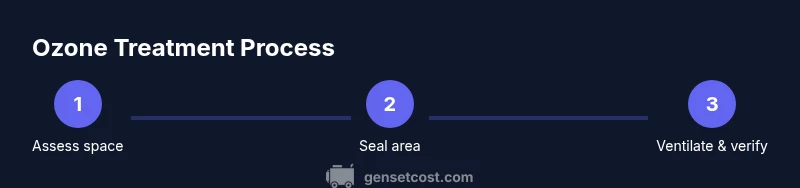
- Read the manufacturer’s manual to confirm recommended exposure times and safe operating procedures. 2) Move furniture away from walls and ensure windows and doors that must stay closed for the treatment remain sealed as directed. 3) Attach plastic barriers and tape to seal the treated area and place the ozone generator inside the space, away from air intakes. 4) Set the timer and, if available, adjust the output to a level appropriate for the room size. 5) Start the device and monitor for any unusual smells or smoke-like haze; stop immediately if you notice anything unsafe. 6) After the timer ends, power down and begin ventilation for at least several air exchanges before re-entry. 7) Re-enter only after sensors confirm the air is safe and odors are reduced. Use a test sniff and, if available, an ozone detector to verify safety. Pro tip: keep a log of exposure times and ventilation durations for future reference.
While this is a general guide, always follow the exact steps in your device’s manual and tailor the process to your space. Images or diagrams in the manual can help you visualize seals and airflow.
Post-treatment—ventilation and verification
Ventilation is a crucial final step. Open exterior doors and use fans to push ozone-laden air outside and replace it with fresh outdoor air. Wait until the air quality returns to baseline before reoccupying the space. If you smell ozone strongly, extend the ventilation period or repeat gentle air exchanges. Once the space has aired out, perform a secondary odor check and inspect fabrics, carpets, and walls for any residual odors or discoloration. Detailed notes on exposure durations and ventilation times will improve future treatments and align with best practices recommended by the Genset Cost team.
Document the conditions at treatment for your records and consider scheduling professional assessments for larger properties.
Cost considerations, maintenance, and professional considerations
Ozone generators vary in price based on size, features, and intended use. For homeowners, budgeting should include the device, protective gear, ventilation equipment, and potential replacement parts. Regular maintenance includes cleaning air filters, inspecting seals, and verifying timers or sensors continue to function correctly. For complex spaces or high-stakes environments, hiring a professional may reduce risk and improve outcomes, especially when mold or structural issues are suspected. Genset Cost notes that long-term value comes from appropriate sizing, safe operation, and a clear post-treatment plan that minimizes re-treatments.
Keep track of equipment warranties and ensure you follow local regulations regarding ozone use in multi-unit buildings.
Common mistakes and best practices
Common mistakes include treating occupied spaces, underestimating ventilation needs, and skipping the pre-cleaning steps. Always isolate the treatment area, verify that pets and people are out, and use a timer to control exposure duration. Best practices involve selecting the correct unit size for the space, scheduling treatments during periods with minimal occupancy, and performing a thorough post-treatment airing and verification. The Genset Cost team emphasizes documenting your results and maintaining your equipment to extend its lifespan and effectiveness.
Tools & Materials
- Ozone generator(Choose a unit sized for the space (see sizing guidance))
- Extension cord(Heavy-gauge, outdoor-rated if used outdoors)
- Ventilation fan / air mover(Exhaust ozone outside during treatment)
- Respirator or chemical mask(NIOSH-approved, P100 or organic vapor cartridge)
- Plastic sheeting and tape(Seal off treated area to limit ozone spread)
- Timer or built-in timer on device(Control exposure duration precisely)
- Ozone detector or monitor (optional)(Helps verify safe post-treatment air quality)
Steps
Estimated time: 1.5-3 hours
- 1
Assess space and prepare
Evaluate room size, materials, and potential sensitivities. Remove or cover plants and fabrics and plan barriers to isolate the area.
Tip: Record room dimensions and target exposure time in a notebook. - 2
Position equipment and safety gear
Place the generator in the treated area, away from air intakes. Don PPE before handling the device or barriers.
Tip: Use a dedicated power outlet and avoid trip hazards. - 3
Seal and test setup
Seal doors and vents with plastic sheeting; perform a quick equipment test per manufacturer guidelines.
Tip: Check that timers and alarms are functioning before starting. - 4
Run treatment with monitoring
Set exposure and start the unit. Monitor for any unusual odors or alarms; stop if you detect unsafe conditions.
Tip: Do not leave the space unattended if possible. - 5
Ventilate after treatment
Power down and open entry points; use fans to exchange air rapidly until fresh air is detected.
Tip: Aim for multiple air exchanges to reduce residual ozone. - 6
Verify safe re-entry
Wait until odor is gone and air sensors (if available) show safe levels before reoccupying.
Tip: Do a final smell test and visually inspect surfaces. - 7
Document and inspect
Log exposure duration, ventilation time, and outcomes. Inspect for any surface changes or needs for re-treatment.
Tip: Keep a treatment log for future reference.
People Also Ask
Is it safe to use an ozone generator while people are present?
No. Ozone generators should only be operated in unoccupied spaces. Evacuate people and pets, and ensure proper ventilation before re-entry.
Ozone generators must be used in unoccupied spaces, with thorough ventilation before anyone returns.
How long should I run an ozone generator in a room?
Exposure time depends on room size and device output. Always follow the manufacturer’s guidelines and use a timer to avoid overexposure.
Follow the device manual for the recommended exposure time and use a timer.
Can ozone remove all odors and sanitize surfaces?
Ozone can greatly reduce many odors and pollutants, but it may not fix all issues. Pre-clean areas and consider professional help for complex cases.
Ozone helps with odors, but pre-clean first and consider experts for tough jobs.
Do I need an ozone detector or air monitor?
An ozone detector is recommended for larger or sensitive spaces to verify post-treatment safety, though not always required for small rooms.
An ozone detector helps ensure safety after treatment.
Are ozone generators legal for home use in all areas?
Regulations vary by location. Check local laws and building codes before use, especially in multi-unit buildings.
Check local rules and your building regulations before using ozone devices.
What should I do if surfaces show discoloration after use?
Cease use on affected surfaces and ventilate. If discoloration persists, consult a professional to assess damage and remediation options.
If you see discoloration, stop using ozone and seek professional help.
Watch Video
Key Takeaways
- Assess space size and sensitivities before starting.
- Ventilate thoroughly and re-enter only after air is safe.
- Choose the right unit size and follow the manual.
- Document results to improve future treatments.