How to Tell If an Ozone Generator Is Working Safely at Home
Learn practical, safety-first steps to confirm your ozone generator is producing ozone, using power checks, sensors, and proper testing procedures for homeowners and property managers.


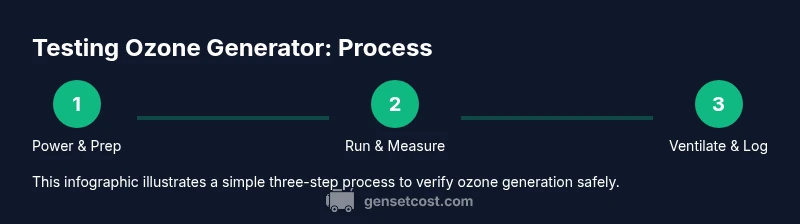
To know if an ozone generator is working, start by confirming the unit powers on and the fan runs. Listen for the corona discharge or airflow, and use an ozone sensor or test kit to verify ozone production at the rated level. Never run the device in occupied spaces; test in a safe, unoccupied area following the manufacturer’s safety guidelines.
How ozone generators work
If you’re wondering how to know if ozone generator is working, it helps to understand how these devices create ozone. Most home units generate ozone by passing air through a corona discharge field or by using UV light. The core indicators of operation are a powered electrical supply, a running fan, and a response in the air that confirms ozone production. Understanding this mechanism helps homeowners and property managers diagnose issues without guessing. When you know how the device should behave, you can systematically verify performance and safety. If the unit isn’t powered or the fan isn’t turning, ozone production will be minimal or absent. By understanding the process, you can design a safe, repeatable test protocol and avoid misinterpreting smells or noises as proof of operation. According to Genset Cost, reliable ozone performance depends on a safe setup and methodical testing, not guesswork. As you progress, rely on measured readings from meters rather than odors alone, especially in occupied environments.
Quick checks to confirm operation
To know if the unit is actually working, start with basic power checks and a listen-test. Ensure the device is plugged in, the power switch is engaged, and the fan is running. Look for obvious indicators such as LED lights or a display showing status. If you hear a faint buzzing or sense airflow, that’s a sign the unit is active. Do not rely on smell alone; odors can be misleading and ozone exposure can be harmful in occupied spaces. If you are unsure, refer to the manufacturer’s manual for model-specific indicators and safety instructions. A short note from the Genset Cost team emphasizes that electrical supply adequacy and correct venting are essential for accurate operation testing.
Safety first: testing ozone output
Before testing ozone output, move to a well-ventilated area and ensure no people or pets are present. Put on appropriate PPE, including gloves and eye protection, and follow all safety warnings in the manual. If possible, seal off the testing area from living spaces to avoid accidental exposure. Only operate the device in the tested space for the minimum necessary duration, then ventilate thoroughly after testing. Never bypass safety interlocks or operate at higher settings than recommended. If you notice excessive heat, unusual noises, or burnt smells, stop testing and consult a professional.
Using sensors and meters to verify output
Verification should rely on objective readings rather than sensory cues. Use a calibrated ozone sensor or test kit designed for home-use detection. Place the sensor in the target space according to the device instructions and record readings at the end of a test interval. Compare readings against the rule-of-thumb expectations in your manual, but remember that exact ppm targets vary by model. If readings are consistently low or zero despite a powered device, re-check power, LEDs, and sensor placement. The key is to document a measurable increase when the device is operating and to confirm a return to baseline after shut-off.
Troubleshooting common issues
Common problems include a non-responsive display, fan failure, or a drop in ozone output over time. Start by checking basic power and connections, then inspect intake and exhaust paths for blockages. Clean or replace filters if your model uses them. Ensure the unit has adequate ventilation and that there are no conflicting air sources in the testing area. If the device has been in long-term storage or hasn’t been used for an extended period, perform a controlled reset following the manual. For persistent problems, consult the manufacturer or a qualified technician to avoid safety hazards.
Considerations for homeowners and property managers
When evaluating whether an ozone generator is working, consider the size of the space, the recommended duty cycle, and the presence of occupants during testing. Schedule tests for unoccupied times and document readings to support maintenance records. For property managers, standardized testing routines help compare models and ensure consistency across units. Always adhere to local safety regulations and disposal guidelines for ozone-producing devices. The Genset Cost team recommends creating a simple testing log that includes power status, sensor readings, test duration, and ventilation status to track performance over time.
Tools & Materials
- Ozone test sensor or calibrated ozone meter(Choose a sensor compatible with your unit's output and rated for the expected environment)
- Owner's manual for the ozone generator model(Refer to model-specific indicators and safety interlocks)
- Protective gloves and safety goggles(Use chemical-resistant gloves; eye protection is essential)
- Ventilated testing area or exhaust vent(Test in a space that can be opened to fresh air)
- Non-conductive flashlight or headlamp(Helps inspect intake/exhaust paths in low light)
- Electrical multimeter(Optional for verifying power at outlets and cords)
Steps
Estimated time: 30-45 minutes
- 1
Power down and read safety info
Before testing, unplug the unit and review the manual to understand any safety interlocks and recommended test procedures. This prevents accidental exposure and ensures you follow model-specific steps.
Tip: Note any safety warnings in the margins of the manual for quick reference. - 2
Power on and confirm basic operation
Plug the device back in, turn it on, and verify the unit indicates power and the fan is active. This confirms the electrical supply and primary operation are functioning.
Tip: If the unit has a startup delay, wait the full manufacturer-recommended warm-up time. - 3
Check indicators and airflow
Inspect indicator lights or displays for status and listen for fan noise or corona discharge. Confirm there is unobstructed airflow through the exhaust path.
Tip: Move around the space to feel for consistent airflow output. - 4
Place sensor and run a test interval
Position the ozone sensor in the target space according to the model's guidance and run the unit for the recommended interval. Record the reading at the end of the interval.
Tip: If possible, evacuate the space with the door open for post-test ventilation. - 5
Compare readings and log results
Compare sensor readings to model guidance or prior test results. Document any increase when the unit runs and the return to baseline after shutdown.
Tip: Keep a log with date, time, space, and reading to track performance over time. - 6
Shut down and ventilate
After testing, shut off the device and air out the space completely before re-occupancy. Verify there is no lingering odor or sudden ozone spikes.
Tip: Reset any alarms or safety devices if the model includes them.
People Also Ask
Is it safe to test an ozone generator indoors?
Testing should only occur in unoccupied spaces with adequate ventilation and PPE. Follow the manufacturer’s safety guidelines at all times.
Testing should be done in unoccupied spaces with proper ventilation and safety gear.
What sensors do I need to verify ozone production?
Use a calibrated ozone sensor or a dedicated ozone meter designed for home testing. Place it according to the device manual and record readings.
A calibrated ozone sensor or meter is recommended.
How long should I run the generator for testing?
Run the unit for a short, manufacturer-recommended interval, then measure readings and ventilate the space before re-entry.
Run it for a short, recommended interval and measure results.
Why might there be no ozone smell even when powered?
Ozone isn't always perceptible by smell, and some readings may be below detection. Rely on sensor readings and indicator lights rather than odor.
Ozone can be invisible; rely on meters and indicators for confirmation.
Can an ozone generator fail without obvious signs?
Yes, failures can be electrical or airflow-related. Regular testing with sensors and logs helps catch issues early.
Yes, regular sensor-based tests help catch silent failures.
How often should I service or replace parts of the ozone generator?
Follow the manufacturer’s maintenance schedule and document service events. Replace worn filters or worn seals as recommended.
Follow the manual’s maintenance schedule and replace worn parts when advised.
Watch Video
Key Takeaways
- Confirm power and airflow first to verify basic operation
- Use sensors, not odors, to verify ozone generation
- Test in unoccupied spaces with proper ventilation
- Document readings for ongoing maintenance