Is It Bad to Run a Generator Without Load? A Practical Guide
Explore whether idle generator running harms efficiency or longevity, plus safe load management, exercise cycles, and practical tips for homeowners.


Yes—running a generator without load for extended periods is generally discouraged. Idle operation wastes fuel, increases emissions, and can shorten the unit’s life. For healthy operation, use proper load management, schedule occasional exercise cycles, and rely on an automatic transfer switch to keep the system functioning well without unnecessary no-load time.
Why Running a Generator Without Load Is Generally Harmful
No-load operation refers to running a generator for periods when no significant electrical load is connected. For standby systems, brief starts during testing or storm preparation can happen, but extended idle running is not ideal. Fuel sits in the carburetor or fuel injectors and can degrade, forming varnish that reduces performance over time. Unburned fuel can contribute to carbon buildup, fouling spark plugs, and increased emissions. In many generators, the engine and alternator are optimized for firing under load; running idle cycles can cause uneven wear on exhaust components and moisture buildup in the exhaust path, which may shorten service life. No-load operation can also interfere with automatic controls designed to detect and switch under load, causing delays or mis-synchronization during real power events. To protect longevity and reliability, minimize idle time and plan intentional load during operation to keep moving parts properly lubricated and energized.
How Generators Are Designed to Run
Most home standby and portable generators are designed to deliver power when there is a demand. The engine and alternator are tuned to work efficiently when there is a sustained electrical load, which keeps fuel moving through the carburetor or fuel injectors and maintains circulation of lubricating oil. When a generator runs with little or no load, temperatures can become uneven, moisture may accumulate, and fuel can degrade more quickly. Many manufacturers recommend exercising the unit periodically to prevent stagnation of internal components, but this exercise should be done with proper load management rather than prolonged no-load running. Understanding these design principles helps you decide how to test and operate safely without wasting fuel or stressing the system.
Practical Scenarios Where You Might Run Light Load
There are legitimate times you might see a momentary light load—such as during a routine start-up-check or when isolating an appliance to observe how the generator responds. In those moments, a brief, supervised run under a small load is acceptable if you control the duration and monitor gauges. If your system uses an Automatic Transfer Switch (ATS), the switch should minimize exposures to no-load by starting the generator and transferring load promptly. For longer storm prep, consider scheduling a deliberate, modest-load exercise that matches the generator’s intended duty cycle rather than letting the unit warm up without drawing power. The key is to avoid long, unattended periods of near-zero loading.
Safe Alternatives: How to Exercise and Load Manage a Generator
Load management means ensuring the generator regularly carries some power. A purpose-built load bank or dummy load can simulate real demand without overworking connected devices. A practical approach is to run the generator with a small circuit or a few essential appliances (lights, a refrigerator, a sump pump) to keep energy flowing and prevent varnish buildup. Use a timer or ATS with a minimum load threshold to automate the process so you’re not manually starting and stopping the generator. Always monitor temperatures, oil pressure, and electrical loads during exercise runs and stop if anything reads outside the safe range. If you don’t have access to a load bank, you can schedule shorter, regular test runs that stay within safe limits and avoid prolonged idle periods.
Sizing, Transfer Switch, and Efficiency Considerations
Accurate sizing is critical to avoid both overload and idle risk. A correctly installed ATS helps ensure the generator starts quickly and transfers the load without exposing it to constant idle. With proper sizing, you’ll spend less time with low-load operation and experience better fuel efficiency during real outages. Efficiency is influenced by the duty cycle; engines that run under consistent moderate load typically perform better and last longer than those subject to frequent no-load cycles. Regular maintenance, including oil changes and fuel stabilization, supports reliability when the unit is called upon to deliver power.
Maintenance Impacts of No-Load Running
Running without load can allow fuel to degrade, forming varnish and gum that clog jets and valves. It can also promote moisture buildup and lead to corrosion in exhaust paths. No-load cycles can contribute to spark plug fouling and carbon buildup, which degrade ignition and efficiency. Consistent maintenance—oil changes, air filter cleaning, spark plug inspection, and fuel stabilizer—helps preserve performance and reduce downtime after storms. Consider documenting run times and inspection results to spot trends that might indicate a problem developing during idle periods.
How to Set Up for Safe Operation and Quick Troubleshooting
Begin with a clear plan: install a properly sized ATS or transfer panel, and equip a safe, tested load scenario. Establish a routine exercise cycle, such as running under load for a defined duration with monitoring gauges. Keep spare fuel and a small toolkit on hand. Create a simple checklist: check oil level, fuel quality, battery charge, and coolant level before each exercise. If errors occur, consult the manual and shut down safely using the emergency stop or switch. If the indicator lights show abnormal conditions, stop and troubleshoot.
Common Misconceptions About Idle Running and Startup
Some believe idle running is harmless or necessary for engine lubrication. In reality, modern generators benefit from regular, controlled load rather than constant idle; startups can still stress the system if done too often without load. Another misconception is that a longer warm-up cycle reduces wear; frequent no-load operation can create more wear than a short, purposeful load exercise. Lastly, there is a belief that all noises or unusual sounds during idle are normal; any abnormal vibration or gauge readings should be treated as a warning sign and investigated.
When to Seek Professional Help and What to Expect
If you notice persistent hard starts, erratic voltage, overheating, or unusual sounds, consult a qualified technician. Professional service can verify ATS performance, evaluate fuel systems, and inspect electrical connections. A technician can help design an appropriate exercise protocol that minimizes no-load exposure and aligns with the unit’s warranty. Rely on brand manuals and manufacturer guidance to ensure compliance with safety standards and local regulations.
Tools & Materials
- Owner's manual for your generator(Specifies model specifics and maintenance intervals)
- Automatic Transfer Switch (ATS) or compatible controller(Minimum-load settings required or integrated load management)
- Load bank or dummy load kit(Simulates electrical load for safe exercise)
- Quality fuel stabilizer and clean fuel(Prevents varnish and fuel degradation)
- Oil, funnel, and basic hand tools(For routine checks and maintenance)
- Safety gear (gloves, eye protection)(Protect during testing and topping up)
- Fire extinguisher and smoke detector(Essential safety reminders)
Steps
Estimated time: 1-2 hours
- 1
Assess idle exposure and define objective
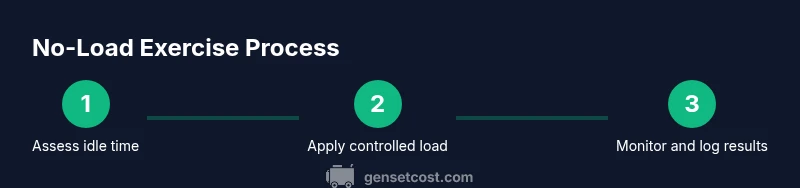
Identify how long idle runs occur in your routine and what you aim to learn from a planned exercise. Set clear goals for the exercise, such as verifying that the transfer switch engages correctly and that the generator reaches safe operating temperatures under load.
Tip: Document baseline idle times and ensure the testing area is well ventilated. - 2
Verify ATS minimum-load settings
Check your ATS or controller to confirm a safe minimum-load threshold. This ensures the generator won’t run indefinitely at zero load and will automatically engage a defined load when a real outage occurs.
Tip: Consult the manual for model-specific minimum-load recommendations. - 3
Connect load or dummy load to achieve light load
Attach a safe, controlled load using a load bank or a few essential appliances so the generator carries some power during the exercise. Do not exceed the capacity of the system or connected circuits.
Tip: If using a dummy load, verify it matches the expected outage demand. - 4
Run the exercise cycle and monitor parameters
Start the exercise and monitor temperature, oil pressure, RPM, and voltage. Maintain the load for the planned duration and watch for any warning indicators.
Tip: If readings stray outside safe ranges, stop the test and troubleshoot. - 5
Cool down and perform post-run checks
Shutdown according to the manual, then check oil level, fuel quality, and battery condition. Ensure the area is ventilated and inspect for any signs of fuel leaks or overheating.
Tip: Record observations for future reference and maintenance intervals. - 6
Document and schedule regular exercises
Keep a running log of run times, loads, and maintenance actions. Schedule regular exercises that align with warranty terms and manufacturer guidance.
Tip: Set reminders to avoid long gaps between tests.
People Also Ask
Is it dangerous to run a generator without load?
No immediate danger is typical, but extended no-load running wastes fuel, increases emissions, and can cause unnecessary wear. Short, supervised tests are acceptable when properly planned.
No, it's not usually dangerous, but avoid long no-load runs and follow safety guidelines.
How long should a generator run without load, if at all?
Only brief, supervised checks when testing. Prolonged idle periods are not recommended because of wear and fuel degradation.
Only run briefly for testing under supervision.
What is an exercise cycle for a generator?
An intentional, short run under light load to keep moving parts lubricated and prevent varnish buildup. It helps preserve reliability.
A scheduled light-load run to keep the engine healthy.
Does idle running affect warranty?
Warranty terms vary by maker. Check your manual or contact the manufacturer to understand how idle running is treated.
Warranties vary; check the documentation or talk to the maker.
What’s the difference between no-load testing and minimum-load testing?
No-load testing runs with little or no electrical demand, while minimum-load testing uses a defined, safe level of load to exercise the system.
No-load is idle; minimum-load is a defined test under a safe load.
How can I safely test my generator with an ATS?
Use the ATS to isolate the load, monitor gauges, and prevent overloading any circuit. Follow the manual for specific steps.
With a proper ATS setup, you can test safely while protecting circuits.
Watch Video
Key Takeaways
- Avoid extended no-load running; it wastes fuel and can shorten generator life.
- Use load management or a dedicated load bank to exercise the unit safely.
- Regular, controlled load exercises improve reliability and longevity.
- Follow manufacturer guidance and warranty terms to maintain protections.