When to Use an Inverter Generator for Home Backup Power
Learn when an inverter generator makes sense for home backup, how to size it for essential loads, compare with conventional portable models, and plan safe use and installation.


Definition: A portable generator with an integrated inverter that converts raw AC to clean, stable power ideal for sensitive electronics and nearby loads. They’re compact, quiet, and energy-efficient, making them a common choice for home backup in light-to-medium duty. Use this guide to decide when an inverter generator is the right option for your situation.
What is an inverter generator and when it fits your home needs
An inverter generator is a portable unit that uses electronic sensors to produce clean, stable electricity. Unlike traditional generators that produce fixed sine waves, the inverter adjusts the output to mirror the load. This makes it especially suitable for sensitive electronics like computers, TVs, and medical devices, as well as for running a mix of small to medium loads during a power outage. For homeowners and property managers evaluating backup options, the key is to understand the load you expect to support and how often you’ll rely on the generator. According to Genset Cost, inverter generators offer a blend of efficiency, portability, and low noise that many households value. When used correctly, they can power essential circuits during outages without excessive fuel burn or noise pollution.
How to size an inverter generator for your loads
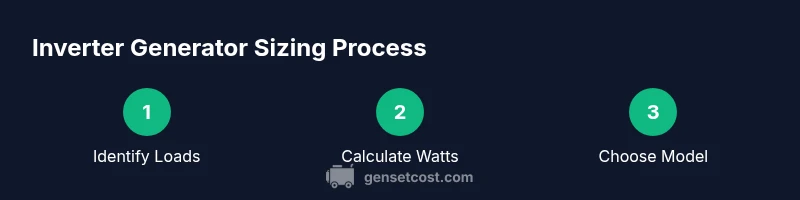
Sizing starts with a thorough load assessment. List every device you expect to run during an outage and note its running wattage and starting wattage. Use an online wattage calculator or a wattage chart from the manufacturer, and add a 20-30% buffer for startup surges. Compare your total to the continuous watt rating of candidate models. A common mistake is underestimating surge watts for refrigerators, sump pumps, or HVAC components. This section will guide you through a practical, step-by-step load analysis so you pick a model that meets needs without overpaying.
Inverter vs traditional portable generators: pros and cons
Inverter generators tend to be lighter, quieter, and more fuel-efficient at partial loads. They produce cleaner power, which protects sensitive electronics. However, they can cost more upfront and offer smaller maximum wattage than some traditional portable units. If your goal is to support a handful of critical circuits or electronics with minimal noise, an inverter option often makes sense. If you anticipate heavy, continuous loads (like an entire HVAC system or shop tools), you may need a larger conventional model or a standby system.
Safety, installation, and ongoing use
Even with an inverter generator, safety remains paramount. Use outdoor-rated extension cords, never operate indoors, and install a proper transfer switch or interlock kit if you’re integrating with a home panel. Follow local electrical codes and manufacturer installation guidelines. Routine maintenance—air filter cleaning, spark plug inspection, and fuel stabilization—helps you avoid failures when you need power most.
Cost considerations and value
Cost considerations for inverter generators center on wattage, features, and build quality. Look for models with low idle to save fuel, solid noise ratings, and good durability. While the upfront price can be higher than entry-level portable units, the long-term savings on fuel and maintenance can be meaningful. For homeowners, the cost-to-benefit often favors a well-sized inverter model over multiple smaller units, especially in areas with frequent outages. Remember that exact prices vary by brand, region, and supplier. This guide emphasizes how to assess value rather than chase a particular price point.
Quick-start checklist
- List critical devices you want to power during an outage.
- Calculate running and starting watts for each item.
- Choose a model with at least the total running watts plus surge requirements and a comfortable margin.
- Compare noise levels, fuel type, and runtime at typical loads.
- Plan outdoor placement and a safe connection method (transfer switch or interlock).
- Schedule regular maintenance and fuel stabilizer use to extend life during idle periods.
Tools & Materials
- Load calculator or wattage calculator app(Input appliance wattage and surge values to compute total load)
- Notebook or digital spreadsheet(Record calculations and model comparisons)
- Manufacturer spec sheets for candidate models(Note continuous and surge watt ratings)
- Outdoor-rated power cords(Use cords sized for the amperage and length)
- Transfer switch or interlock kit (licensed electrician recommended)(For safe, code-compliant connection to panel)
- Fuel stabilization kit or fuel stabilizer(Extend shelf-life of stored fuel)
Steps
Estimated time: 60-90 minutes
- 1
Identify essential loads
Create a list of devices you want powered during an outage and note their typical running watts. Prioritize critical items like refrigeration, medical devices, communications gear, and lighting. This step sets the baseline for sizing.
Tip: Start with refrigerators, sump pumps, and critical electronics to avoid missing essential loads. - 2
Sum running and surge watts
Add up running watts for all items and include surge watts for motors and devices with high startup demands. This total becomes your target continuous wattage plus a margin.
Tip: Always include a 20-30% buffer to accommodate startup spikes. - 3
Choose a model with adequate continuous watts
Review inverter models that meet or exceed your total running watts with a comfortable margin. Check both continuous and peak ratings to ensure startup loads won’t trip the breaker.
Tip: Prefer models rated slightly above your calculated total for reliability. - 4
Compare runtime and fuel type
Assess how long the generator can run at your typical load on a full tank and compare fuel types (gasoline, propane, or dual-fuel) for practicality.
Tip: Consider your fuel availability and storage space when selecting a fuel type. - 5
Check noise and emissions specs
Review decibel ratings at the intended operating distance and ensure emissions meet local requirements. Lower noise helps with comfort in residential areas.
Tip: A lower idle setting often reduces noise and fuel use. - 6
Plan safe connection options
Decide between a portable connection with transfer switch interlock or a direct panel install by a licensed electrician. Outdoor placement is crucial for safety and longevity.
Tip: Never backfeed a panel; always use proper interlocks. - 7
Test run and maintain
Perform a controlled test run in a ventilated outdoor area. Check spark plugs, air filters, and fuel stability; schedule routine maintenance.
Tip: Stabilize fuel if you plan to store the generator for long periods.
People Also Ask
What is an inverter generator and how does it differ from a traditional portable generator?
An inverter generator uses an electronic inverter to produce clean, stable AC power, making it safer for sensitive electronics. It also adjusts the engine speed to match load, improving efficiency and reducing noise. Traditional portable units run at a constant speed and may be louder and less efficient under light loads.
Inverter generators produce clean power and adjust speed to save fuel, unlike traditional units that run at fixed speed and can be louder.
When should I choose an inverter generator for home backup?
Choose an inverter generator when you mainly power essential electronics and small-to-medium loads with low noise and higher fuel efficiency. If you have large, continuous loads like whole-house cooling, you may need a larger conventional unit or a standby system.
Choose inverter generators for essential electronics and moderate loads if you value quiet operation and efficiency.
Can I power heavy loads with an inverter generator?
Some inverter models offer higher wattage that can handle substantial loads, but most are optimized for sensitive electronics and moderate loads. For peak demands like an air conditioner compressor, verify surge capacity and ensure the model can start without tripping.
Some high-wattage inverters can handle heavier loads, but check surge capacity and starting requirements.
Is it safe to run an inverter generator indoors?
No. Generators should always be operated outdoors with adequate ventilation. Carbon monoxide is a deadly risk indoors, even with windows open or in a garage. Use outdoor-rated extension cords and a transfer switch for safe power delivery.
Never run a generator indoors; always operate outdoors with proper venting and safety measures.
What maintenance is required for inverter generators?
Regular maintenance includes checking oil levels, air filters, spark plugs, and fuel stability. Follow the manufacturer’s schedule and store fuel with stabilizer if the unit will sit idle for extended periods.
Keep up with oil, air filters, spark plugs, and fuel stability for reliable performance.
Do inverter generators require a transfer switch?
A transfer switch or interlock kit simplifies safe connection to your home panel and eliminates backfeeding risks. It’s highly recommended for permanent or semi-permanent setups and improves overall safety.
Use a transfer switch or interlock kit for safe, code-compliant connection to your panel.
Watch Video
Key Takeaways
- Assess loads precisely to avoid under/over-sizing.
- Inverters offer clean power with quiet operation for sensitive electronics.
- Plan a safe connection method (transfer switch) for home integration.
- Maintenance and fuel planning extend generator life.