How to Clean Generator Spark Arrestor
Learn how to safely clean your generator spark arrestor with a clear, step-by-step method, essential safety checks, and post-clean inspection tips for reliable operation.


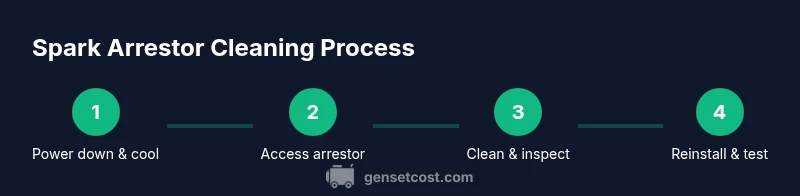
To safely clean a generator spark arrestor, first power down the unit and let it cool, then remove the access cover to expose the arrestor screen. Use a stiff wire brush to dislodge ember buildup, wipe with a soft cloth, inspect for damage, and reinstall. Re-test the unit at idle to confirm proper exhaust flow and guard integrity.
What is a spark arrestor and why it matters
Spark arrestors are screens installed in the exhaust path of generators to trap or cool hot embers before they exit the exhaust. They protect your property from grass, leaves, or debris that could ignite if embers escape. According to Genset Cost, regular cleaning improves airflow and protects engine efficiency while extending the life of the exhaust system. The spark arrestor can accumulate soot, ash, and grime from exhaust gas and unburnt fuel, which gradually reduces exhaust flow and can cause overheating if neglected. In dry, windy, or dusty environments, buildup happens faster, so a proactive cleaning routine is especially beneficial. Always consult your generator’s manual for any manufacturer-specific guidance or screen replacement intervals.
The Genset Cost team found that a well-maintained spark arrestor not only reduces fire risk but also helps maintain consistent engine performance during power outages. Keeping a routine of inspection and cleaning simplifies maintenance schedules and minimizes unexpected downtime. A clean arrestor also reduces back pressure, which can improve fuel efficiency and reduce wear on exhaust components. Remember: safety first, and never bypass a damaged screen.
Signs your spark arrestor needs cleaning
A clean spark arrestor ensures optimal exhaust flow and minimizes fire risk. Look for these signs that indicate it’s time to clean:
- Thick black smoke or visible heavy sooty buildup around the exhaust
- Reduced engine performance or a noticeable loss of power under load
- Warped or damaged screen edges, or signs of corrosion
- Sluggish exhaust flow or a rattling sound from the exhaust path
- New or recurring spicy or burnt smell from the exhaust gases
If you notice any of these, schedule a cleaning session promptly. Regular inspections help catch issues before they become costly repairs. Even with rare usage, environmental exposure like dusty roads or wildfire smoke can accelerate buildup. The goal is to maintain a clear path for exhaust and prevent embers from escaping.
Safety first: preparing to clean
Before touching any part of the exhaust system, ensure the generator is fully powered down and cooled. Work in a well-ventilated area away from flammable materials and never perform maintenance indoors. Wear appropriate PPE: safety glasses, heat-resistant gloves, and a long-sleeved shirt to shield your skin from hot metal or sharp edges. Have a flashlight to inspect tight spaces, and keep a container or bag ready for a removed screen. Disconnect any battery or fuel connections only if you know how to do so safely from the manual. This preparation reduces burn risk and ensures you can perform a thorough inspection after cleaning. Always follow the manufacturer’s safety warnings and local regulations, especially in fire-prone regions.
Cleaning workflow overview
Cleaning a spark arrestor involves a sequence of careful steps designed to restore airflow without damaging the screen. Start by accessing the arrestor, then mechanically remove loose debris, followed by a more thorough wipe-down to remove stubborn grime. After cleaning, inspect the screen for tears, holes, or warping, and replace it if the damage is beyond cleaning. Finally, reassemble, perform a brief idle test, and observe exhaust flow for signs of improvement. The process is straightforward, but attention to detail matters: a small tear can bypass containment and undermine safety. The overall workflow balances safety, effectiveness, and efficiency so you can complete the task in a reasonable timeframe. If your unit has a complex enclosure, refer to the service manual for additional disassembly steps.
Inspecting after cleaning and preventive checks
Once you’ve cleaned the arrestor and reinstalled it, perform a quick but thorough inspection. Check for any residual debris in the exhaust path, verify the arrestor sits flush against its mounting seat, and confirm there are no loose fasteners. Look for signs of heat damage or discoloration around the screen frame, which can indicate overheating or back pressure issues. If you find damage, replace the screen rather than attempting a patch. Also, record the cleaning event in your maintenance log, including date and any observations about performance. Establishing a routine inspection cadence helps you catch issues early and extend the life of your generator.
Common mistakes and when to replace parts
Common mistakes include using lubricants on the screen, applying excessive force with tools, or reusing a damaged arrestor. Never force the screen through a tight fitting or reassemble a damaged frame. If the screen shows holes, tears, or corrosion, replace it. Replacement screens should match the original model specifications; consult the manual or the manufacturer for the correct part. Finally, avoid cleaning during active operation or in wet conditions, which can lead to electric shock or short circuits. Replacement parts are a prudent investment to maintain safety and reliability.
Maintenance schedule and records
Set a maintenance cadence that matches your usage and environment. For heavy use or dusty environments, check and clean the spark arrestor monthly or after long periods of operation. For light use, quarterly inspections may suffice, with a full clean every 6–12 months. Maintain a simple log: date, condition of the arrestor, any parts replaced, and tests performed. A written record helps track when to replace screens and aligns with warranties or service agreements. Regular maintenance reduces the risk of fuel inefficiency and unexpected outages during critical power needs.
Tools & Materials
- Safety gloves (heat-resistant)(ANSI-rated, leather or thick nitrile)
- Safety goggles(Goggles or face shield)
- Wire brush(Stiff-bristled for ember debris)
- Soft brush or cloth(For fine debris and screen surfaces)
- Screwdriver (flathead or Phillips)(To remove cover screws)
- Replacement spark arrestor screen(Keep spare on hand in case of damage)
- Isopropyl alcohol or degreaser(For stubborn grime on exterior)
- Flashlight(Inspect tight spaces and corners)
Steps
Estimated time: 30-45 minutes
- 1
Power down and let cool
Shut off the generator and allow the exhaust area to cool completely. This prevents burns and reduces the risk of igniting any flammable residue. If you must work in a warm environment, give it at least 15–20 minutes of cooling time, longer in hot climates.
Tip: Always verify the unit is unplugged from any power source before you begin. - 2
Open access cover and locate arrestor
Remove the external cover or guard that blocks access to the exhaust path. Use the screwdriver as needed to unscrew fasteners. Once exposed, visually locate the spark arrestor screen inside the exhaust throat.
Tip: Keep screws in a labeled container so you don’t lose them. - 3
Remove and assess the screen
Carefully lift the arrestor screen out of its seat. Inspect for holes, tears, corrosion, or bending. If the frame is damaged, replace the entire screen rather than attempting a patch.
Tip: If the screen is stuck, pause and consult the manual to avoid damaging seals. - 4
Clean the screen surface
Using a stiff wire brush, loosen adherent soot and embers. Lightly wipe with a soft cloth to remove remaining grime. For stubborn residues, a small amount of degreaser can help, but avoid soaking the screen.
Tip: Never use metal tools that could scratch or puncture the screen. - 5
Reinstall and secure
Place the screen back into its seat and reattach the guard. Ensure it sits flush with no gaps and that all fasteners are tight but not over-torqued. A loose cover can allow debris entry or cause vibration damage.
Tip: Double-check alignment before starting the unit. - 6
Test run and inspect
Start the generator at idle and observe the exhaust for a smooth flow. Listen for unusual noises and check for vibrations around the housing. If any issues arise, power down and recheck installation or seek professional service.
Tip: Monitor for 5–10 minutes during the first post-clean run to confirm stability.
People Also Ask
How often should I clean a generator spark arrestor?
Cleaning frequency depends on usage and environment. Inspect monthly and clean every 3–6 months in moderate conditions; more frequent cleaning may be needed in dusty or wildfire-prone areas.
Check it monthly and clean every few months, especially if you operate in dusty or dry climates.
Can I clean the spark arrestor without disconnecting the generator?
Power down completely and allow the unit to cool before cleaning. Do not touch hot components and follow the manual for any electrical disconnection steps.
Always power down and let it cool before handling the arrestor.
What tools do I need to replace a damaged screen?
You’ll typically need a screwdriver, the correct replacement arrestor screen, and a clean workspace. Ensure the replacement matches your model’s specifications.
A screwdriver and a compatible replacement screen are usually enough.
Is a spark arrestor required by code?
Regulations vary by region. Some areas require arrestors on generators, especially in wildfire-prone zones, while others set guidelines for maintenance and replacement.
Local rules may require an arrestor; check your area’s codes.
What are signs the arrestor is damaged beyond cleaning?
Visible holes, severe corrosion, bent frames, or a screen that cannot be cleaned effectively indicate replacement is needed.
If you see holes or a warped frame, replace it.
Should I lubricate the arrestor or screen?
Lubricants should not be applied to the screen or inside the exhaust; oil can gum up the surface and attract grime.
No lubrication on the screen—keep it dry for best results.
Watch Video
Key Takeaways
- Inspect spark arrestor regularly for signs of buildup or damage.
- Use proper PPE and safe practices to avoid burns or injuries.
- Replace damaged screens rather than attempting quick fixes.
- Document maintenance to support reliability and warranties.
- Test exhaust flow after cleaning to confirm safety and performance.