How to Build a Lava Generator in Minecraft
Learn how to build a lava generator in Minecraft with a simple bucket-based collection system. This guide covers materials, steps, testing, and troubleshooting to ensure a steady lava supply for your builds.


how do you make a lava generator in minecraft? In this guide you’ll learn a simple, safe method to collect lava from nearby pools and channel it into a storage system for later use. You’ll need a bucket, sturdy blocks for a platform, and a few basic tools. Follow the step-by-step plan to build and test your lava generator.
What is a lava generator in Minecraft?
In Minecraft, a lava generator is a compact collection system designed to harvest lava from nearby pools and transport it to a usable form for your builds. Since lava isn’t created by machines in vanilla Minecraft, the goal is to maximize reliable access by routing lava from a source block into a collection area using simple channels and basic tools. Different designs exist, from bucket-based hand-offs to more compact channel layouts that minimize travel distance. The core idea is to provide a steady, controllable supply of lava for practical uses like glass production, smelting, or lighting. This section outlines the philosophy behind a lava generator and sets expectations for what a successful build can achieve in survival or creative modes.
How lava behaves in Minecraft and why a generator helps
Lava in Minecraft originates from source blocks and flows to neighboring blocks until blocked by solid terrain. It spreads downwards and outwards, creating pools that players can harvest. A lava generator doesn’t create lava; it optimizes access to ambient lava pools and preserves lava for later use. By directing flow with a simple channel and using a bucket-based workflow, you can reduce travel time and avoid wandering lava spills. Understanding flow direction and how lava fills blocks helps you design a reliable collection route that scales with your base’s needs.
Core design principles for a lava collection system
- Define a safe, flat platform to base your generator from and reduce accidental lava exposure.
- Create a clear lava channel that guides flow from source to collection area without dead spots where lava can pool unexpectedly.
- Use durable, non-flammable blocks for the build to minimize risk during construction and when working nearby.
- Plan a simple retrieval method so you can refill your buckets without scrambling through lava-filled zones.
- Keep the layout compact to save space in your base while maintaining easy access for replenishing buckets.
These principles help you build a reliable, maintainable lava generator that serves your longer-term projects rather than a one-off demo.
Materials and setup overview
The core idea is straightforward: you need a flat platform, a defined lava channel, and a practical collection point for buckets. Start with common building blocks (stone, cobblestone, or another non-flammable material) to construct the platform and channel. At the collection point, designate a bucket-ready area where you can quickly fill and transport lava back to your main base. A few safety touches—like clearing a small buffer zone and keeping the generator away from flammable structures—will help you avoid accidental spills.
Quick overview of the build process
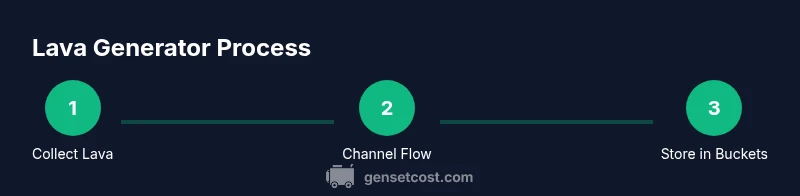
This section provides a high-level look at what you’ll do, without getting into the exact steps. First, pick a safe, accessible location near a lava source if possible. Second, lay a simple channel with a known flow direction that leads to your collection zone. Third, establish a bucket-based collection workflow so you can move lava to your storage or furnace area. Finally, test the flow and adjust the channel as needed to prevent clogs or spills. This overview complements the step-by-step instructions that follow.
Testing, maintenance, and scaling
Once built, test the generator by filling and transporting a few lava buckets to ensure the flow consistently reaches your collection area. Watch for weak points where lava might back up or spill and adjust the channel layout accordingly. Regular maintenance involves keeping the collection area clear, replenishing blocks as you expand your base, and verifying that nearby builds aren’t inadvertently exposed to lava. If your needs grow, you can scale by extending the channel length or adding additional collection points that feed into a common storage workflow.
Variations and creative ideas
- Add a second, parallel channel to double the flow if you frequently mine near large lava pools.
- Design a compact, modular platform that can be relocated as your base expands.
- Integrate a signage-based flow control to pause collection during exploration or mining elsewhere.
- Combine the lava generator with a glass or smelting setup to create a centralized resource hub.
Tools & Materials
- Bucket (empty)(Needed to collect lava from pools and transport lava to storage.)
- Stone or non-flammable building blocks(Forms the platform and channel for directing lava flow.)
- Signs or ladders(Optional for simple flow control or easy access.)
- Water bucket(Use to temporarily divert lava during adjustments.)
- Pliers-like tools (shovel, pickaxe)(Useful for shaping the channel and clearing debris.)
- Torches(Illumination to prevent mob spawns near the generator.)
- Chest or barrel for interim storage(Optional storage solution for carrying lava buckets back to base.)
Steps
Estimated time: varies
- 1
Choose a safe location
Select a flat, non-flammable area with access to a nearby lava source if possible. Ensure there is enough space to build a clear channel and a bucket-ready collection point away from your main base. This planning step reduces the risk of spills and makes later adjustments easier.
Tip: Scout multiple options and sketch a rough layout before placing any blocks. - 2
Lay out the platform
Build a sturdy base using your chosen blocks. Create a small border to prevent accidental lava spills and establish a clean surface from which you can run your channel. Keep the platform dimensions manageable for easy access during bucket collection.
Tip: Use symmetry to simplify channel routing and future expansions. - 3
Define the lava channel path
Mark the route lava will follow from the source to the collection area. A straight, single-block-wide channel is easiest to manage. Ensure there are no gaps where lava could back up or flow into your base structures.
Tip: Leave a small runoff area at the end to catch overflow safely. - 4
Set up the collection point
Create a bucket-ready area where you can fill lava and transport it to storage or furnaces. This should be close enough for quick access but far enough to avoid accidental lava contact while you work on the generator.
Tip: Keep a spare bucket handy for immediate collection. - 5
Test the flow with water first
If you’re unsure about channel integrity, temporarily use water to visualize the path and identify potential leaks or blockages. Do not leave water if your final design uses lava flows only—water can help you detect issues without risk of lava spills.
Tip: Always have a water bucket nearby during testing. - 6
Finalize and trial with lava
Switch to lava and perform a controlled test by filling a few buckets. Observe the flow, ensure it reaches the collection area, and adjust the channel as needed. Repeat until the lava consistently follows the intended path without spills.
Tip: Don’t rush; small adjustments now prevent big spills later.
People Also Ask
Can you create lava from nothing in Minecraft?
No. Minecraft lava must come from existing lava sources in the world. A lava generator focuses on collecting and transporting lava efficiently, not generating it. Your setup helps you access lava more reliably for builds.
Lava in Minecraft comes from existing sources; a lava generator helps you collect and move it.
Do I need redstone or complex machinery for a lava generator?
A basic lava generator relies on simple layouts and bucket collection, with no redstone required. More advanced variants can add redstone for automated controls, but a bucket-based system works well for starters.
You can start with buckets and simple channels; redstone is optional for advanced setups.
What materials are best for durability and safety?
Use non-flammable blocks such as stone, cobblestone, brick, or concrete. Keep the generator away from wood or other flammable materials and ensure there’s a clear buffer zone around the lava path.
Choose sturdy, non-flammable blocks to reduce fire risk and keep work areas safe.
Is this setup safe for my base foundations?
Yes, if you isolate the lava channel from your main builds, use a contained platform, and maintain good distancing. Regular checks help prevent accidental spills or mob interference.
Keep the lava path separate from your main structures and check it regularly.
Can I scale this to produce large amounts of lava quickly?
You can scale by extending the channel and creating additional collection points that feed a central bucket-based system. Always test increments to prevent overflow and keep pathways clear.
Yes, with modular extensions you can increase lava collection capacity.
What can I do with lava once collected?
Lava is useful for smelting and glass production in furnaces. Carrying lava in buckets to your base is common for fueling smelting operations and lighting large builds.
Lava provides fuel for furnaces and glassmaking, once you have a steady supply.
Watch Video
Key Takeaways
- Capable lava collection relies on a clear path from source to bucket-ready zones
- Use safe, non-flammable blocks and tidy layouts to minimize spills
- Maintain a bucket workflow for transporting lava to your base
- Test with water flows before switching to lava to visualize the path
- Plan for expansion with modular, scalable channel designs