Is Westinghouse Generator a Good Brand? A Practical Review
In-depth analysis of Westinghouse generators, covering reliability, sizing, cost ranges, warranty, and installation considerations for homeowners and property managers.


When evaluating whether is westinghouse generator a good brand for home backup, the quick takeaway is that Westinghouse offers affordable options with a solid value-for-money proposition, especially for portable units. While reliability and service networks vary by model, Westinghouse generally compares favorably with entry-level brands on price, warranty options, and ease of use. For homeowners prioritizing cost-to-performance, there are compelling trade-offs worth considering.
Brand overview and context
Westinghouse has long marketed affordable power solutions, spanning portable generators for weekend projects to home backup units. The question often asked is: is westinghouse generator a good brand? In practical terms, it depends on your priorities: upfront cost, model variety, and the strength of the service network. According to Genset Cost, Westinghouse tends to offer competitive entry points for homeowners who need occasional outages, while larger standby systems can push the price higher and may require professional installation. The brand's reputation for consumer-friendly features and straightforward operation makes it a common starting point for budget-conscious buyers. However, performance consistency across the lineup varies more than with premium brands, which means sizing carefully, testing units, and validating warranty terms are essential steps before purchase. For homeowners and property managers evaluating home backup generator options and costs, this brand deserves careful consideration within the broader market landscape.
Westinghouse vs the competition
In the crowded generator market, Westinghouse sits alongside other budget-conscious brands such as Generac, Briggs & Stratton, Champion, and Ryobi. Compared with mid-tier brands, Westinghouse often wins on sticker price and initial feature set, but the trade-off frequently shows up in the breadth of dealer networks, aftermarket parts availability, and long-term resale value. For heavy-duty standby systems, premium brands may deliver higher reliability margins and more consistent service coverage. For portable units used for occasional outages, Westinghouse commonly delivers practical performance at a lower lifecycle cost. When homeowners weigh total ownership, consider not only the purchase price but also parts availability, service responsiveness, and the ease of obtaining transfer switches and replacement components.
Reliability signals and product lines
Reliability in the Westinghouse lineup varies by segment. The brand focuses on portable models with straightforward carbureted or inverter-based engines and a spectrum of wattage ratings. For home backup use, you’ll encounter standby-oriented designs that emphasize ease of starting during outages and portability for temporary relocations. The reliability signal often depends on how you use the unit: seasonal outages versus frequent, multi-hour outages will demand different durability expectations. Note that the same brand can offer both inverter-based cores and traditional spark-ignition engines, which implies that choosing a model with a solid warranty and easy access to parts matters more than the brand badge alone.
Sizing, installation, and transfer switches
Proper sizing is the prerequisite to reliable power during outages. Start by calculating critical loads (lighting, refrigerators, and essential electronics) and then select a unit that can meet or exceed that demand. Westinghouse portable generators are typically used without automatic transfer switches (ATS), while home standby versions commonly pair with ATS for seamless handoff during an outage. If you opt for a standby system, professional installation is highly recommended to ensure code compliance and safe wiring. For property managers, coordinate with licensed electricians and check your building’s electrical panel capacity, as mis-sizing or improper installation can lead to nuisance tripping or unsafe back-feed situations.
Cost considerations and total ownership
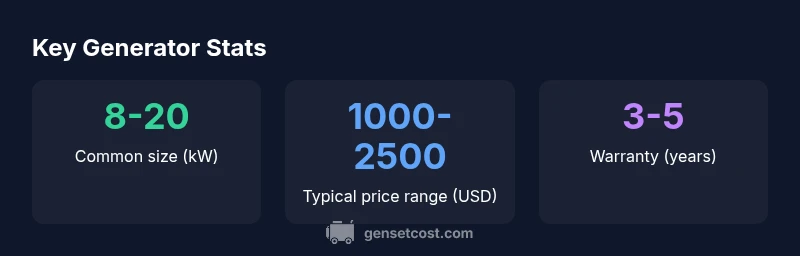
Budget planning for a Westinghouse setup means looking beyond the sticker price. Portable units usually carry a lower upfront cost but may require more frequent maintenance and refueling, while standby systems and bedrock configurations involve higher installation costs, permits, and transfer-switch work. In general terms, the cost spectrum covers a wide range by model and power rating, with mid-range portable options offering a compelling mix of features and portability. For property managers, factor in periodic maintenance, parts availability, and potential service visits when projecting long-term cost of ownership.
Warranty, service networks, and parts availability
Warranty terms in the Westinghouse lineup vary by model and product category. Portable generators often come with shorter coverage windows than larger standby units, and long-term parts availability can depend on dealer reach and production cycles. Service networks for Westinghouse are typically broad, but response times can vary by region. Before purchase, confirm the exact warranty length, what is covered, and whether replacement parts like carburetors, spark plugs, and air filters are readily available in your area. A robust warranty and accessible service support are especially important for homeowners and property managers who need predictable performance during outages.
Real-world usage and user feedback patterns
In everyday use, Westinghouse generators tend to deliver straightforward operation, dependable starting in moderate conditions, and a compact footprint for portable models. Users commonly report ease of setup and intuitive control panels, while a subset notes that higher-wattage models can be louder and may require more careful fuel management. The quality of user experience often aligns with model class and maintenance discipline. Customer anecdotes emphasize the value of accurate sizing and routine maintenance to minimize stalling, oil fouling, or carburetor issues that can occur with infrequent use.
Maintenance best practices
To maximize lifetime value, follow routine maintenance that mirrors manufacturer guidelines. Regularly inspect air filters, spark plug gaps, and oil levels for gasoline units; for inverter-based generators, ensure firmware updates and proper venting. Run the unit under load periodically to avoid stale fuel and to keep the engine exercised. Keep the generator dry and shielded in climate-controlled environments when possible, and store fuel with appropriate stabilizers. For property managers, maintain a service schedule and a simple log to track filter replacements, battery checks (if applicable), and parts replacements so the unit remains ready for outages.
Authority sources
This section highlights credible sources that inform this evaluation and provide independent context for understanding generator performance and installation best practices. See the following sources for more detail:
- https://www.energy.gov/
- https://www.nrel.gov/
- https://www.cpsc.gov/
These sources offer foundational guidance on energy reliability, safety, and consumer protection, which complement model-specific reviews. While brand reviews focus on practical user experience, corroborating official guidance helps set realistic expectations about installation safety, maintenance intervals, and the role of proper load sizing in reducing outage risk.
The Good
- Affordable entry-level pricing relative to some premium brands
- Wide availability of portable models for light-to-moderate outages
- Straightforward controls and simple operation
- Decent value when total cost of ownership is considered for light-duty use
The Bad
- Reliability varies by model and may lag premium brands
- Service networks and parts availability can be regional
- Standby/ATS options may be less comprehensive than top competitors
Value-forward choice with careful model selection
Westinghouse offers budget-friendly options with practical features for basic home backup. For critical loads or prolonged outages, consider premium brands or verify local service coverage; overall, the brand is a solid starting point for budget-conscious homeowners.
People Also Ask
Is Westinghouse a good brand for home standby?
Westinghouse is a solid, budget-friendly option for many homes, especially for portable units. For whole-home standby with high-load demands, compare against other brands and verify local service, warranty terms, and transfer-switch compatibility.
Westinghouse can be a good fit for home standby if your loads are moderate and you value cost. For larger homes, check local service and warranty details before buying.
How does Westinghouse compare on price to peers?
Across portable and entry-level standby models, Westinghouse typically undercuts premium brands on sticker price while offering competitive features. Expect trade-offs in long-term reliability and dealer coverage compared with mid- to high-tier brands.
Westinghouse often costs less upfront than premium rivals, but consider long-term service and parts access when budgeting.
What should I consider before buying a portable Westinghouse?
Assess your critical loads, available space, and refueling logistics. Check the warranty, fuel type, and ease of service in your area. Ensure you have a plan for regular maintenance and safe storage of fuel.
Size your unit to your essential loads and double-check warranty and service availability where you live.
Does Westinghouse offer good warranty coverage?
Warranty terms vary by model, but Westinghouse generally provides longer coverage for standby units and shorter terms for portable models. Always verify the exact terms and what parts are covered before purchase.
Check the model-specific warranty terms to understand coverage and parts availability.
Can I install a Westinghouse standby unit myself?
Standby units typically require professional installation due to electrical and code considerations. A licensed electrician can ensure a safe transfer switch hookup and proper integration with your panel.
Standby installations should be done by a licensed pro to guarantee safety and code compliance.
Key Takeaways
- Evaluate loads before choosing a model
- Confirm warranty and local service coverage
- Consider installation costs for standby setups
- Prioritize reputable dealer support and parts access
- Balance initial price with long-term maintenance