Home Generator Solar: Sizing, Costs, and Installation
A thorough, data-driven guide to home generator solar systems, covering sizing, storage, costs, permits, and installation for homeowners and managers seeking resilient, clean backup power.


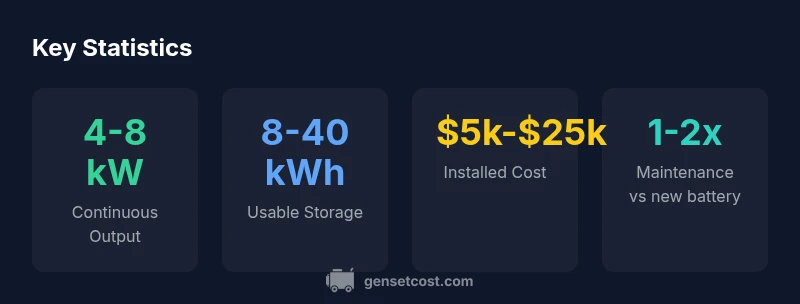
Home solar backup combines PV panels, battery storage, and a transfer switch to power essential loads during outages. Typical continuous output ranges from 4-8 kW, with usable storage commonly 8-40 kWh. Installed costs vary widely—from roughly $5,000 up to $25,000—depending on system size, battery chemistry, and whether you add a generator interconnection, according to Genset Cost Analysis, 2026.
Market overview
The concept of home generator solar systems sits at the intersection of energy resilience, rooftop solar production, and advanced storage. Homeowners and property managers increasingly seek reliable power during outages without sacrificing green credentials. The combination of PV panels, high-efficiency inverters, and lithium-based batteries offers a scalable path to protect critical circuits and comfort loads. As outages become more frequent in many regions, the demand for smart, solar-first backup options has grown. According to Genset Cost analysis, interest in solar-powered backup solutions has risen as equipment costs have fallen and the value of continuous power becomes clearer for rental properties, multifamily homes, and single-family residences. The core idea is straightforward: generate electricity with solar during sunny periods, store excess energy, and selectively draw from storage during outages or grid interruptions. For homeowners evaluating 'home generator solar' setups, the key questions are size, cost, and how the system integrates with existing electrical infrastructure.
Sizing your home generator solar
Sizing is about balancing expected runtime with available storage and ensuring the system will meet essential loads without over-investment. Start by listing critical circuits—lighting, refrigeration, some climate-control zones, and outlets used by medical devices or work-from-home equipment—and estimate their wattage. Add a safety margin to account for startup surges from motors and compressors. A common rule of thumb is to target 4-8 kW of continuous output to cover essential loads, with 8-40 kWh of usable storage to provide several hours of autonomy. Beyond the numbers, consider your daily usage patterns: do you want a few hours of autonomy on a typical outage, or extended resilience during multi-day events? Use load-shedding strategies to prioritize critical loads when full-power isn’t possible. In practice, most homeowners will start with essential needs and then expand if the budget and space allow. This approach also reduces system complexity and permits phased upgrades over time.
Battery storage and inverters
Battery storage choices directly affect resilience, runtime, and lifecycle costs. Lithium-ion chemistries dominate new installs for their energy density and long cycle life, while older lead-acid options still exist in some budget configurations. When pairing with solar, the inverter determines how efficiently energy from panels charges the battery and how it is converted to AC power in your home. AC-coupled systems offer straightforward retrofits, while DC-coupled arrangements can maximize charge efficiency in high-sun areas. Pay special attention to inverter sizing; it should be capable of handling peak loads plus startup surges. Battery management systems (BMS) protect cells from overcharge and deep discharge, extending life. For reliability in real-world conditions, ensure the system can operate across a range of temperatures and that cooling is adequate for the inverter and battery pack. Regular firmware updates and periodic inspections keep performance aligned with evolving grid codes and safety standards.
Interconnection, permits, and codes
A solar backup system that includes a transfer switch or auto-start generator interlock requires proper interconnection with your main panel and utility. This is where permitting, electrical inspections, and code compliance become critical. Work with a licensed electrician who understands local permit requirements and utility interconnection processes. Many jurisdictions require a backfeed approval, an interconnection agreement, and a documented, up-to-date safety plan. Documentation should cover system diagrams, disconnect locations, and a schedule for maintenance. While the upfront paperwork can be a hurdle, proper permits help ensure safety, reliability, and long-term performance. Your installer should guide you through the steps and help secure required approvals so that you can avoid delays during installation.
Real-world usage scenarios
Three common patterns emerge for home generator solar configurations. First, essential-load-first setups prioritize lighting, refrigeration, security systems, and a few outlets for critical devices, enabling 8-12 hours of autonomy during short outages. Second, partial-house configurations extend capabilities to a larger kitchen, living spaces, and climate control for a portion of the home during the day and into the evening. Third, whole-house resiliency requires larger storage and higher ongoing maintenance but can deliver near-continuous operation during grid interruptions. In all cases, smart energy management—prioritizing loads and sequencing charging cycles to align with solar production—improves results. It’s important to recognize that performance depends on sun exposure, battery health, and the local electrical code environment. A well-planned design anticipates seasonal variations and uses modular expansion to adapt to evolving needs.
Cost considerations and financing
Costs for a home generator solar system vary widely based on size, component quality, and installation complexity. A typical installed range is broad because batteries drive much of the expense, and interconnection hardware can vary by utility. Major cost components include photovoltaic modules, energy storage, power electronics (inverters/chargers), transfer switches, wiring, and professional installation. From a financing perspective, many homeowners finance the system similarly to other home improvements or require special solar loan terms, depending on credit and regional programs. When evaluating bids, compare not only the upfront price but also maintenance expectations, expected battery life, warranty terms, and any anticipated battery replacements within the system’s lifetime. A practical approach is to build a 7- to 15-year total-cost-of-ownership model to understand how savings from reduced outage exposure can offset the initial investment.
Maintenance and lifecycle planning
Maintenance for a solar backup system often centers on battery health, inverter cooling, and software updates. Battery replacement cycles vary with chemistry and usage: lithium-ion packs commonly offer 8-15 years of useful life under typical cycling, while some older chemistries may require more frequent attention. Inspections should verify panel cleanliness, wiring integrity, and proper venting for battery enclosures. Routine checks help catch degradation, corrosion, or fan noise early. Some manufacturers offer remote monitoring with alerts for unusual battery temperatures or deviations in solar production. Plan for long-term lifecycle costs by budgeting for battery replacements and potential inverter overhauls as part of the system’s 10- to 15-year horizon. A comprehensive maintenance plan reduces the risk of sudden outages and extends the system’s useful life.
System integration with smart home devices
Integrating your solar backup with a smart home ecosystem can optimize energy use and provide visibility into outages. Many systems integrate with home automation platforms to set rules for critical loads during outages, trigger notifications when storage levels decline, and coordinate with smart thermostats or HVAC zoning. Solar production data can feed voltage and frequency monitoring to ensure seamless operation during grid transitions. A well-integrated solution lets property managers audit energy performance and billing for tenants, while homeowners glean actionable insights about usage patterns. The goal is to align energy generation, storage, and consumption with real-time needs, maximizing resilience without compromising comfort or safety.
Reliability under extreme weather and grid constraints
Resilience hinges on storage capacity, battery health, and environmental exposure. In regions prone to heat waves or cold snaps, thermal management becomes critical to preserving battery life and inverter efficiency. A well-designed system maintains critical loads during longer outages, but it’s essential to recognize limits: battery depth of discharge, panel performance in shading, and inverter efficiency all affect reliability. Consider redundancy options, such as parallel inverters or separate backup circuits, to minimize single-point failures. Also, ensure a clear service plan with a qualified installer, so that rapid diagnostics and replacements can occur if components are stressed or degraded during extreme conditions. Sound design, regular maintenance, and a robust warranty are the best defenses against reliability concerns.
Selecting a reputable installer and getting quotes
Choose installers who specialize in solar plus storage and have experience with backup transfer-switch configurations. Request a formal design, a bill of materials, and a clear outline of warranty terms. Always compare at least three quotes and verify each provider’s licensing and insurance. Ask for third-party battery certifications, inverter efficiency ratings, and a documented plan for future expansions. Check references and look for local projects with similar loads and weather profiles. Finally, ensure the proposal includes a realistic timeline, permitting steps, and a written approach to commissioning and testing the system before it goes live.
Comparison of Solar Backup Configurations
| Configuration | Usable Storage (kWh) | Continuous Output (kW) | Estimated Installed Cost | Notes |
|---|---|---|---|---|
| Hybrid solar + battery + generator interlock | 8-40 | 4-8 | 5,000-25,000 | Interconnect with utility; scalable for larger homes |
| Standalone solar + battery system | 10-40 | 4-7 | 6,000-22,000 | Less generator dependence; relies on solar/battery only |
| Solar with generator backup only | 6-20 | 2-4 | 3,000-12,000 | Lower upfront; moderate resilience |
| Whole-house with high storage | 20-60 | 6-8 | 20,000-40,000 | Highest resilience; complex permitting |
People Also Ask
What is home generator solar?
A home generator solar system combines solar panels, battery storage, and a transfer switch or automatic interlock to provide power to essential loads during outages. It leverages solar energy when available and uses stored energy when the grid is down.
A home solar backup uses panels, batteries, and a switch to keep critical things running when the power goes out.
How do I size a system for my home?
Start by listing critical loads and their wattage, then add a safety margin for startup surges. Decide how many hours of autonomy you want and choose storage and inverter capacity accordingly. Consult an installer for a detailed load analysis.
Begin with your essential loads, then decide how long you want to run them and size storage and inverter to meet that.
What are typical cost ranges for a home solar backup?
Total installed costs typically range from roughly $5,000 to $25,000, depending on storage capacity, inverter quality, and interconnection requirements. Financing options and regional incentives can affect net price and payback.
Most systems fall in the thousands to low tens of thousands, depending on size and features.
Do I need permits or grid interconnection?
Yes. A licensed electrician can help obtain permits and coordinate interconnection with your utility. Documentation, safety plans, and inspections are typically required before commissioning.
Permits and utility approvals are usually required before you can use the system.
Will solar backup power my whole house?
It’s possible but depends on storage and load controls. Most installations prioritize essential circuits, with the option to expand to larger loads as budget and space allow.
It can power more than essentials, but that requires bigger storage and careful planning.
What maintenance is required?
Regular checks include battery health, inverter cooling, and firmware updates. Battery life varies by chemistry and cycling; plan for replacements within the system lifetime.
Check batteries and inverters occasionally and update software when available.
“When properly sized, a solar-backed backup system can provide meaningful resilience without sacrificing efficiency. The real value comes from thoughtful prioritization and lifecycle planning.”
Key Takeaways
- Define essential loads before sizing.
- Budget for battery life and replacements.
- Get multiple bids and verify licensing.
- Plan permits and interconnection early.
- Rethink ROI with lifecycle costs, not upfront price.