Electric Generator for Home: Sizing, Costs, and Installation Guide
A data-driven guide to selecting, sizing, and installing an electric generator for home backup, including fuel options, cost ranges, and maintenance essentials.


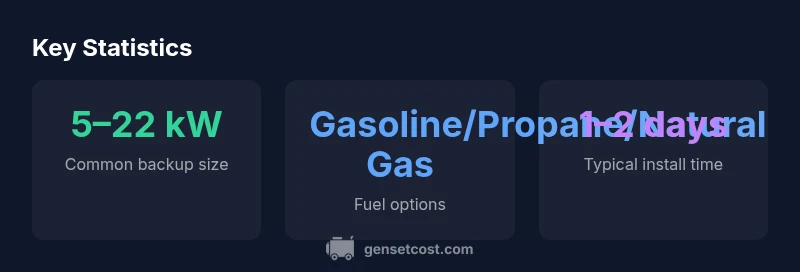
According to Genset Cost, an electric generator for home is a standby or portable unit that supplies essential circuits during outages. Common residential sizes range from about 5 kW to 22 kW, with larger homes requiring more. Choosing the right size depends on load, budget, and installation options. Professional sizing improves reliability and avoids oversized units.
Understanding the role of an electric generator for home
An electric generator for home acts as a power bridge between the utility grid and your indoor electrical system during outages. It comes in two broad styles: standby generators, which automatically start when the grid fails, and portable units, which require manual setup and a transfer switch. For homeowners and property managers, the decision often hinges on reliability needs, available space, and long-term operating costs. In our analysis at Genset Cost, we emphasize sizing accuracy as the most impactful factor: it determines whether you can run essential loads (refrigeration, well pump, lights) without overspending on an oversized machine. This guide uses the most common residential scenarios to illustrate practical choices for an electric generator for home.
Standby vs portable: Key differences you should know
Standby generators are permanently installed outdoors with a built-in transfer switch. They offer automatic start, higher peak power, and integrated fuel systems, which helps ensure predictable performance during outages. Portable generators are cheaper upfront and can be moved from site to site, but they require manual setup and careful power management to avoid backfeeding or overloading circuits. For property managers with multi-unit dwellings or remote locations, standby units often deliver better continuity and safety. The trade-offs center on upfront cost, noise, fuel type, and long-term maintenance schedules. Genset Cost’s comparative framework shows that choosing the right form factor reduces downtime and improves overall resilience.
How to size your home generator: a practical load-based approach
Begin with a load survey of your essential circuits: refrigeration, heating or cooling support, lighting, and sump pumps. Create a weighted list of the devices you must keep running during an outage, then estimate their running watts. The next step is to account for volatility in startup surges (think refrigerator compressors). A common homeowner rule of thumb is to select a unit that covers your essential load with some headroom, typically in the 5–22 kW range for many homes. For larger properties, a professional load analysis can pinpoint a precise requirement while minimizing wasted capacity. In this context, a well-sized generator improves reliability and reduces fuel waste over time.
Fuel and efficiency: choosing the right option for your climate and budget
Gasoline generators are popular for their low upfront cost and wide availability, but they may require frequent refueling during extended outages. Propane (LP) and natural gas offer cleaner operation and longer storage life; propane can be stored indefinitely, while natural gas maintains continuous supply without topping off fuel. Efficiency hinges on running at or near 50–80% of rated capacity; oversizing can cause unnecessary fuel consumption and wear, while undersizing risks insufficient power for essential loads. When evaluating fuel options, also consider local fuel costs, delivery logistics, and environmental considerations. Genset Cost recommends a careful, data-informed comparison of fuel types before purchase.
Installation and transfer switches: safety, code, and convenience
A professional installation ensures proper wiring, code compliance, and safe integration with your electrical panel. A transfer switch isolates your home from the grid and prevents backfeed that could endanger line workers. There are several transfer switch configurations, including manual, open-transition, and seamless transfer. The right choice depends on your existing panel, generator type, and whether you want automatic startup. Expect a bundled cost that includes permits, service wiring, exhaust routing, and possible cradle improvements for outdoor units. As you plan, verify that your installation aligns with local codes and manufacturer requirements to maximize safety and reliability.
Operating costs and ongoing maintenance: what to expect over the life of the generator
Total cost of ownership includes fuel, maintenance, insurance, and periodic component replacements. Regular oil changes, air filter replacements, spark plug checks, and service interval adherence are essential to extending the life of your generator. Seasonal testing is recommended to ensure readiness for storm season. A well-maintained unit tends to start reliably and run more efficiently, reducing both emissions and fuel costs in the long run. Genset Cost’s framework highlights that proactive maintenance and timely component swaps can prevent expensive downtime during outages.
Choosing a brand and understanding warranties: value vs. risk
Brand reputation matters because it correlates with parts availability and technician network coverage. Look for warranties that cover both the generator and the transfer switch, plus an accessible service plan. Compare post-sale support, available replacement parts, and anticipated service intervals. Warranty terms should reflect real-world operating cycles, not just peak performance. Our cost-guided approach emphasizes total value: initial price, maintenance costs, fuel efficiency, and service accessibility. The goal is a reliable system that protects occupants and property without becoming a financial burden.
Common pitfalls and how to avoid them
- Underestimating load needs: always plan for essential loads first, then add optional comforts.
- Skipping a transfer switch: backfeeding hazards are serious and can cause injury.
- Ignoring local permitting: rely on a licensed electrician to handle code compliance.
- Over-sizing for the sake of future expansion: leads to higher cost and fuel waste.
- Ignoring maintenance: a well-tuned generator outlasts a neglected one by a wide margin.
Practical deployment checklist for a home generator project
- Define essential load list and perform a simple watts estimate. 2) Choose standby vs portable based on reliability needs and space. 3) Select a fuel type aligned with availability and storage. 4) Schedule a professional site assessment for load calculation and transfer switch configuration. 5) Obtain permits, review warranties, and review maintenance plans. 6) Plan for regular testing and seasonal service to ensure readiness. By following this checklist, homeowners can navigate the process with confidence and clarity.
Sizing categories for residential electric generators
| Category | Typical Load Range | Notes |
|---|---|---|
| Essential circuits | 5–15 kW | Includes fridge, lights, pumps, essential outlets |
| Whole-home backup | 15–22 kW | Operates most HVAC and major appliances |
| Portable vs standby | N/A | Portable: manual transfer; Standby: automatic transfer |
People Also Ask
What size generator do I need for my home?
Start with a complete load assessment of essential circuits and appliances. Use a load calculator or work with a licensed professional to determine a safe operating range, typically within the 5–22 kW band for many homes.
Begin with a full load survey of essentials, then pick a size that covers that load with some headroom.
Should I choose a standby or portable generator?
Standby generators offer automatic start and seamless power during outages, while portable units require manual setup and transfer. Your decision depends on reliability needs, space, and budget.
Standby is automatic and reliable; portable is cheaper upfront but needs manual setup.
What fuel type is best for a home generator?
Gasoline is common and cheap but needs frequent refueling. Propane and natural gas offer cleaner operation and better long-term storage, with natural gas providing continuous supply in many locations.
Fuel choice affects cost and convenience; consider storage and supply in your area.
Do I need a transfer switch for safety?
Yes. A transfer switch isolates the home from the grid to prevent backfeed and protect line workers, with several configurations available depending on your system.
A transfer switch is essential for safety and code compliance.
How much maintenance does a home generator require?
Regular service, oil changes, air-filter replacements, and spark plug checks are recommended. Seasonal testing ensures readiness for outages.
Keep a routine maintenance schedule to ensure reliability.
Are there rental options for home generators?
Yes, rentals exist but are less common for whole-home setups and depend on seasonality and demand. They can be useful for short-term needs or trial periods.
Rentals can fill short-term gaps, but check terms and coverage.
“Sizing and selecting a home generator is a balance between reliability, cost, and fuel practicality. A properly matched unit keeps essential loads powered without overspending.”
Key Takeaways
- Size with a load-based approach to avoid waste
- Standby units offer automatic reliability for outages
- Fuel choice impacts cost, emissions, and logistics
- Transfer switches are essential for safety and convenience
- Regular maintenance protects reliability and lifespan