Power Generator for Home: Sizing, Costs, and Installation
Learn how to size, choose, and install a power generator for home backup. This guide covers load calculations, fuel options, permits, and maintenance to keep essential circuits powered during outages.


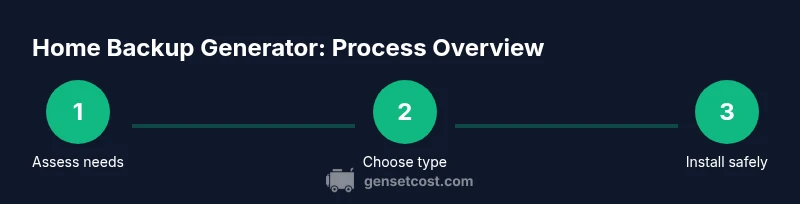
By the end, you'll be able to select and size a power generator for home that reliably backs up essential circuits during outages. The guide covers load calculations, fuel options, and installation basics, including transfer switches and safety clearances. You’ll know what you need to estimate costs, obtain permits, and plan for maintenance.
Why a power generator for home matters
Power outages can strike without warning, leaving heating systems, refrigerators, water pumps, and medical devices vulnerable. A power generator for home provides a reliable backup, letting you keep the essentials online while the grid is down. According to Genset Cost, most households benefit from sizing for critical loads rather than powering every outlet. This approach balances resilience with fuel use and cost, and makes maintenance more straightforward. When you plan for a home backup generator, start by identifying what must stay powered during an outage: heating or cooling, refrigeration, lights, communications, and essential medical devices. Prioritizing these functions allows you to select a unit that matches your real needs without overspending on unnecessary capacity. Standby generators typically operate automatically through a transfer switch, while portable units require manual startup and a connected transfer device. Safety concerns—fuel storage, exhaust, and installation clearances—are magnified if you attempt to DIY a service panel or bypass essential safety features. This planning mindset helps ensure reliable operation when it matters most.
Genset Cost emphasizes budgeting, load prioritization, and realistic expectations for fuel consumption and run-time. The result is resilience that fits your home and budget, not a one-size-fits-all solution.
How to size a power generator for home
Sizing a power generator for home starts with a precise load assessment. Begin by listing every appliance and device you want powered during an outage, noting its running wattage and its surge or starting wattage. Use a mix of manufacturer specs and a simple worksheet to avoid underestimating startup surges for motors (like well pumps, refrigerators, or HVAC compressors). Add up the running watts for all essential items, then add a safety margin (typically 20-30%) to cover unexpected loads and future needs. The next decision is choosing standby vs portable: standby units with automatic transfer switches simplify operation and safety, while portable units offer flexibility and lower upfront costs but require manual or semi-automatic switching. After you determine a target range, select a generator that provides ample continuous power and enough surge rating to handle startup spikes. Finally, verify that your planned generator will fit your space, exhaust direction, and clearance requirements. A well-sized system minimizes fuel use while maintaining dependable operation during outages.
Fuel options and efficiency
Fuel choice strongly influences ongoing costs, availability, and maintenance. Gasoline is common and affordable but has storage and emissions considerations. Propane offers cleaner burns and longer shelf-life, but pressures and regulator requirements apply. Natural gas can offer convenient long-term fuel supply if you have a ready line, yet it may limit portability and require a dedicated gas service path. Efficiency is tied to load; generators operate best at mid-range loads (roughly 50-80% of rated capacity) where fuel burn per hour is most economical. Consider the cost and reliability of your local fuel supply, storage capabilities, and the environmental conditions where you live. Regardless of fuel type, schedule regular inspections, replace filters on schedule, and monitor fuel quality to prevent varnish buildup or moisture that could impede performance. A well-chosen fuel strategy reduces operating costs and extends the life of your generator.
Installation basics: transfer switches, outlets, and venting
A safe installation hinges on a correctly wired transfer switch that isolates your home from the grid when the generator runs. Automatic transfer switches simplify operation by detecting outages and starting the generator without manual input. Hire a licensed electrician to handle wiring, transfer switch installation, grounding, and exhaust routing. This reduces the risk of backfeeding, fire, and carbon monoxide exposure. Plan for proper venting and clearance around the unit to meet local codes and manufacturer guidelines. If you opt for a portable generator, you’ll still need a transfer switch or a manually operated interlock kit to prevent backfeed—never connect a generator directly to household outlets. Maintain a clear space around the unit for heat dissipation, fuel access, and maintenance checks. Documentation from the installer should include wiring diagrams and a maintenance schedule to simplify future servicing.
Costs, financing, and permits
Costs for a home backup generator vary with size, features, and installation requirements. Portable units generally have lower upfront costs but higher ongoing maintenance and manual operation. Standby systems with automatic transfer switches typically cost more upfront but offer convenient, hands-off operation and seamless outages. Financing options exist, and many homeowners plan for this as part of home improvement budgeting. Permit requirements depend on local codes and utility rules, so check with your city or county prior to purchasing equipment. Be prepared for potential inspection fees and any required upgrades to electrical panels or gas lines. While this may seem daunting, a clear plan and phased approach—assessment, selection, installation—helps manage timelines and costs.
Genset Cost recommends getting multiple quotes and confirming that installers are licensed, insured, and have experience with your generator type.
Safety, permits, and code considerations
Safety should drive every decision around a home backup generator. Exhaust, fuel storage, electrical connections, and transfer switch integration require careful attention to safety practices. Always verify that the installation complies with local electrical codes, fire codes, and building codes. Many jurisdictions require a permit, an electrical inspection, and confirmation that the system is bonded and grounded. Carbon monoxide risks make outdoor installation essential, with never-ever operation indoors or in partially enclosed spaces. Fuel storage must follow safety guidelines, including proper containment and ventilation. A licensed electrician should perform electrical work and a licensed plumber or gas fitter should handle gas connections for natural gas or propane systems. Documented maintenance and test protocols help ensure the system performs reliably during outages.
Authority sources
To deepen your understanding, consult established authorities:
- Energy.gov (U.S. Department of Energy): https://www.energy.gov/
- OSHA: https://www.osha.gov/
- FEMA: https://www.fema.gov/
- NIST: https://www.nist.gov/
These sources cover electrical safety, disaster preparedness, and building codes that influence generator installations.
Next steps and planning checklist
Use this practical checklist to move from planning to operation:
- Define essential circuits and estimate their running and surge power.
- Select standby vs portable based on your needs, space, and budget.
- Decide on a fuel type and storage plan that suits your location.
- Confirm transfer switch requirements and obtain any necessary permits.
- Hire a licensed electrician for installation and a qualified gas supplier if needed.
- Schedule a test run with the electrician and establish a maintenance calendar.
- Create a simple record of warranties, serials, and service dates to simplify future servicing.
Tools & Materials
- Safety gear (gloves, eye protection)(ANSI-rated gloves and protective eyewear for all installation and testing activities)
- Voltage tester / multimeter(Used to verify circuit status and proper grounding during setup)
- Gas leak detector(Identify possible leaks when working with propane or natural gas lines)
- Wrench set(Combination wrenches for piping and electrical connections)
- Screwdrivers (flat and Phillips)(Assists with panel connections and mounting hardware)
- Transfer switch kit(UL-listed interlock or automatic transfer switch compatible with your generator)
- Measuring tape(Check clearances around the unit and plan routing for fuel lines and cables)
Steps
Estimated time: 2-6 hours
- 1
Calculate essential load
List every device you want powered during an outage and note running and surge wattage. Add up running watts for essential items and apply a safety margin to cover startup spikes. This forms the target generator size.
Tip: Include small but critical devices (heaters, sump pumps) that may have high startup draws. - 2
Select generator type
Decide between standby (automatic transfer switch, permanently installed) and portable (manual startup, flexible). Standby offers convenience and reliability; portable is typically cheaper upfront but requires manual steps.
Tip: Consider the climate, noise tolerance, and space when choosing size and form factor. - 3
Decide on fuel type
Choose gasoline, propane, or natural gas based on availability, storage, and long-term costs. Each fuel type has different storage needs and supply reliability.
Tip: If space is limited, propane or natural gas can avoid frequent fuel storage challenges. - 4
Plan for transfer switch
Install a transfer switch to safely isolate your house from the grid during generator operation. This prevents backfeeding and protects utility workers.
Tip: Work with a licensed electrician to ensure code-compliant wiring and grounding. - 5
Check local permits
Research permit requirements and any electrical or gas system inspections needed before purchase or installation.
Tip: Ask the installer for a permit-ready drawing and code references. - 6
Arrange professional installation
Hire a licensed electrician (and gas fitter if using natural gas) to complete electrical connections, transfer switch integration, and venting.
Tip: Get a written warranty and a documented maintenance plan as part of the contract. - 7
Test run and maintenance
Perform a full-load test in controlled conditions, verify fuel supply, oil levels, and battery condition. Create a maintenance calendar for filter changes and inspections.
Tip: Schedule annual or semi-annual professional service to sustain reliability.
People Also Ask
What is the difference between standby and portable generators?
Standby generators are permanently installed and linked to an automatic transfer switch, starting automatically during outages. Portable generators are moved and require manual startup and a transfer device. Standby systems offer convenience and consistent power, while-portable units provide flexibility and lower upfront cost.
Standby generators start automatically during a outage and stay installed, while portable units require manual setup. Choose based on convenience and budget.
How do I calculate my home's essential load?
List critical appliances and devices you want powered during outages, note their running and surge wattage, and sum them. Add a 20-30% safety margin for startup surges. This yields a target generator size.
Make a list of what you absolutely need, total the watts, and add a safety buffer for startup power.
Do I need permits to install a home generator?
Permits and inspections vary by locality. Check with your city or county and your utility. An installer can often handle permit applications and ensure compliance with electrical and gas codes.
Yes, permits are often required; your installer can guide you through the process.
What fuel types are best for residential generators?
Gasoline, propane, and natural gas each have pros and cons. Propane and natural gas offer longer shelf life and cleaner burns; natural gas is convenient if you have a line, but may limit mobility.
Propane is clean and easy to store; natural gas is convenient if you have a line, but less portable.
Is a transfer switch required for safe operation?
A transfer switch is essential for safe operation; it prevents backfeeding into the grid and protects utility workers. Some portable setups use interlock kits, but a properly installed transfer switch is recommended.
Yes, a transfer switch is the safest choice for most installations.
What maintenance is needed to keep a generator reliable?
Follow the manufacturer's service schedule, check oil and coolant, replace filters, and run the unit regularly under load. Schedule professional inspections annually or semi-annually for standby systems.
Regular checks, oil and filter changes, and annual professional service keep it reliable.
Watch Video
Key Takeaways
- Size your load for essential circuits first.
- Choose standby vs portable based on convenience and budget.
- Plan for a safe transfer switch to prevent backfeed.
- Check permits and hire licensed professionals.
- Schedule regular maintenance for reliability.