Inverter Generator for Sale: Costs, Sizing, Setup
Comprehensive guide to inverter generator for sale options, including sizing, costs, installation, and maintenance for homeowners and property managers seeking reliable backup power.


An inverter generator for sale provides clean, stable power suitable for sensitive electronics, with higher efficiency and quieter operation than traditional portable generators. These units convert AC to DC and back, producing low total harmonic distortion. Price varies by wattage, fuel type, and features, but expect a broad range from budget models to premium units. This guide helps homeowners compare options, estimate installed costs, and avoid common buying mistakes.
What is an inverter generator and why it matters
An inverter generator for sale is a compact power solution that delivers clean, stable electricity ideal for sensitive electronics. It uses advanced electronics to convert AC to DC and back to AC with high precision, resulting in lower total harmonic distortion and smoother power delivery. The Genset Cost Analysis, 2026, shows that inverter technology can improve fuel efficiency and runtime in real-world use, especially under varying loads. For homeowners evaluating backup power, this means fewer dropped signals for devices like routers, laptops, and medical equipment. When comparing inverter generator for sale options, consider starting with your essential loads and then selecting a unit with headroom for a few comforts during outages. The Genset Cost team found that many shoppers underestimate the value of quiet operation and portability, which can dramatically affect daily life during outages.
How to size an inverter generator for sale needs
Sizing is the most important step in choosing an inverter generator for sale. Start by listing critical circuits: refrigeration, lighting, charging stations, sump pumps, and essential electronics. Convert each item’s running watts to a total continuous load, then add a safety margin to accommodate startup surges. For example, a small home might need 1,000–2,000 watts for a few lights and a fridge, while a larger space with a few essentials could push toward 4,000–6,000 watts. When budgeting, remember that larger units cost more upfront but can run longer between refills and support more devices at once. The transfer-switch compatibility matters: do you want a portable model with a simple manual connection, or a full automatic transfer switch for seamless power during outages? The guidance from Genset Cost suggests prioritizing load-based sizing over chasing peak-rated wattage alone.
Key features to look for in inverter generators
Modern inverter generators offer a suite of features that can significantly impact daily life during outages. Look for clean power with low THD (total harmonic distortion) to protect sensitive electronics, automatic idle control to save fuel, and parallel operation to scale power without buying a bigger unit. USB charging ports and a clear, easy-to-read control panel add practical value for homeowners and property managers. Quiet operation is not optional—lower noise models improve living quality during outages and reduce neighborhood disruption. Portability, weight, and built-in wheels can affect where and how you install the unit, especially in multi-story homes or tight spaces. When evaluating inverter generator for sale options, compare both headline wattage and real-world behavior under partial loads, as this affects perceived reliability and runtime.
Fuel types and efficiency: propane, gas, or dual-fuel
Choosing between gas, propane, or dual-fuel configurations can influence both performance and running costs. Gasoline-powered models are common and offer broad availability, but propane can be cleaner and quieter with a potentially longer shelf life for storage. Dual-fuel units provide flexibility during extended outages when fuel availability may fluctuate. Efficiency improvements in modern inverter technology mean that even smaller units can deliver substantial usable power, while maintaining stability for electronics. For buyers, it’s essential to understand how fuel type affects run-time at different load levels and to weigh this against local fuel prices and availability. The balance between upfront cost and long-term running cost is a key consideration in the inverter generator for sale decision.
Cost considerations: upfront, installation, and running costs
Upfront pricing for inverter generator for sale options varies widely by wattage and features. Expect a broad range from budget models to premium units. Installation costs depend on your setup: simple cord-fed use with a manual transfer switch is cheaper than a full automatic transfer switch with professional wiring. After purchase, running costs depend on fuel type, load, maintenance, and how often you run the unit. Efficiency gains can offset higher upfront prices over time, especially in frequent outage scenarios. The Genset Cost analysis notes that homeowners should budget for periodic maintenance and potential transfer-switch upgrades to maximize reliability. Compare total cost of ownership rather than upfront price alone to get the most value.
Installation and transfer-switch considerations
A transfer switch is the critical junction between your home and backup power. Automatic transfer switches (ATS) offer seamless power during outages but require professional installation, electrical permits, and adherence to code. Manual transfer switches are simpler and cheaper but require you to start and connect the generator yourself. For inverter generator for sale shoppers, understanding whether your home’s circuits need dedicated transfer-switch wiring versus a portable setup is crucial. The Genset Cost team emphasizes planning for future expansions, such as adding more circuits or a larger battery backup, to avoid rework later.
How to compare brands and models for sale
Brand reputation, service networks, and warranty terms matter as much as raw wattage. Focus on real-world reliability, customer support responsiveness, and ease of obtaining parts. Read THD specifications, fuel economy ratings, noise level, and runtime at common loads. Look for models with parallel capability if you foresee future load growth. Warranty length and transfer-switch compatibility should factor into the decision, not just the advertised wattage. The goal is a balance of price, performance, and ongoing support across the expected life of the unit.
Maintenance and warranty basics
Regular maintenance helps protect your investment in an inverter generator for sale. Follow manufacturer intervals for oil changes, air filter cleaning, spark plug inspection, and fuel system care. Store fuel properly and consider stabilizers for prolonged storage periods. A robust warranty and accessible service centers reduce downtime during outages. When shopping, verify what the warranty covers (mechanical, electrical, startup), the duration, and whether it includes labor. Genset Cost recommends documenting maintenance milestones and keeping receipts for upgrades to support resale value and uptime.
Common mistakes and quick buying checklist
Avoid common missteps like prioritizing only peak wattage, neglecting transfer-switch requirements, or underestimating startup surges. Create a simple buying checklist: define essential loads, confirm transfer-switch compatibility, compare THD ratings, assess noise levels, verify maintenance requirements, and consider future expansion. Remember that inverter generator for sale models with better efficiency and quieter operation can dramatically improve daily life during outages, but they must be properly sized and installed to realize those benefits.
Model types and typical uses for inverter generator for sale options
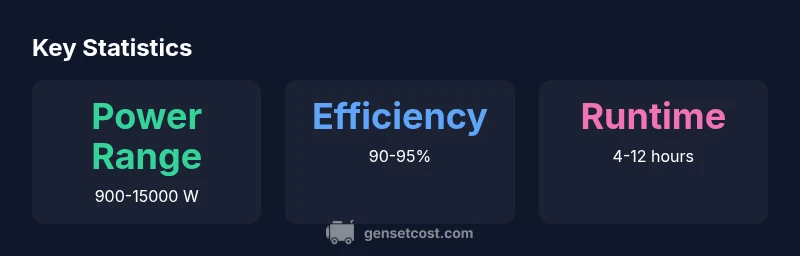
| Model Type | Power Range (W) | Typical Use |
|---|---|---|
| Compact portable | 900-1800 | Camping / backup lights |
| Mid-size portable | 2000-5000 | Home backup for essentials |
| Whole-home portable | 6000-12000 | Larger homes with transfer switch |
| Stationary standby | 8000-15000 | Whole-house backup with automatic switch |
People Also Ask
What is an inverter generator for sale, and how does it differ from a traditional portable generator?
An inverter generator uses electronic conversion to produce clean, stable AC power with a controlled waveform. Compared to traditional generators, it generally runs more quietly, is more fuel-efficient, and can adapt its engine speed to the load.
An inverter generator is quieter and more fuel-efficient than old-style generators because it adjusts speed to your load and keeps the power clean for sensitive devices.
Do inverter generators always run quieter than traditional ones?
Most inverter gensets are designed for lower noise output, especially at partial loads. However, actual noise varies by model, mounting, and enclosure. Check the decibel rating at the typical operating load.
Yes, they are typically quieter, but check the model's dB rating at your expected load.
How do I determine the right size for my home?
List essential circuits, convert their running watts to a total, and add a safety margin for startup surges. Compare that target to the generator’s continuous rating to avoid over- or under-sizing.
Start with essential loads, add a margin for surges, and match that to the unit’s continuous watts.
Is a transfer switch required for an inverter generator?
A transfer switch is highly recommended for seamless transfer of power during outages. Automatic switches offer convenience but require professional installation and adherence to local codes.
A transfer switch is often essential for safe, automatic power transfer during outages.
What fuels are best for inverter generators?
Gasoline, propane, and dual-fuel configurations each have trade-offs. Propane can store longer and burn cleaner; diesel are less common in portable inverter models.
Gas, propane, or dual-fuel—each has pros and cons depending on storage, availability, and emissions.
What warranty considerations should I check?
Look for coverage that includes both parts and labor, duration of the warranty, and whether service networks are accessible in your area. Read exclusions for misuse or improper maintenance.
Check length and scope of coverage, plus how easy it is to get service locally.
“Sizing and proper installation are the two most important factors in getting value from an inverter generator for sale. With the right setup, customers can enjoy clean power, better efficiency, and reliable performance during outages.”
Key Takeaways
- Define essential loads first and size accordingly
- Compare total ownership costs, not just upfront price
- Prioritize transfer-switch compatibility and noise levels
- Choose features that match your outage patterns