Generator Near Me for Rent: A Practical Home Guide
Learn how to locate, compare, and rent a generator near you for reliable backup power. Size correctly, compare options, and plan delivery and safety with guidance from Genset Cost.


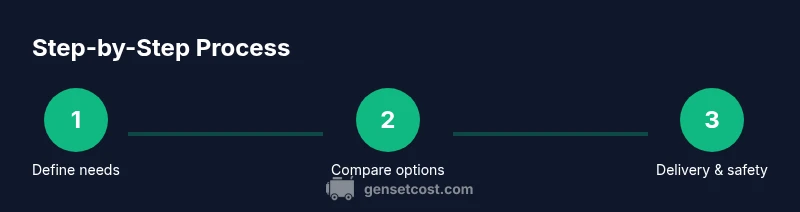
This guide helps you rent a generator near me for rent by identifying your power needs, comparing local suppliers, and arranging delivery. You’ll learn how to size a genset, check fuel type and runtime, verify transfer-switch compatibility, and set up safe, compliant operation. Follow the step-by-step process to secure reliable backup power quickly.
What renting a generator near me for rent means
Renting a generator near me for rent is a practical, cost-effective option for temporary power during outages, events, or job-site work. With many sizes and rental terms available, you can match a unit to your exact needs without buying a generator outright. According to Genset Cost, the fastest path to a successful rental starts with a clear load assessment, a short list of trusted local suppliers, and a plan for delivery and setup. The Genset Cost team found that many homeowners underestimate startup surges or overestimate continuous runtime, which can lead to an undersized or oversized rental. By thinking through your duty cycles, fuel type, and preferred service level, you can avoid overpaying while still ensuring reliable power for your home or project. In practice, a well-planned rental can cover everything from a weekend outdoor event to a multi-day outage, and it lets you test the solution before committing to ownership. If you expect future weather events or seasonal needs, you may want a modular approach that lets you scale up or down without long-term obligations.
Sizing your rental generator
Begin by listing essential loads (refrigeration, lighting, electronics, communications) and optional loads (power tools, charging stations, fans). Estimate running watts for each device and add a safety margin to cover startup surges. A common guideline is to select a unit that can handle your base load with a cushion for startup demand, while leaving room for temporary spikes. When you request quotes, share both calculated wattage and expected runtime to help the supplier recommend the appropriate size. If you anticipate growing loads in the near term, consider a slightly larger unit now to reduce the need for another rental later. Don’t forget to account for extreme conditions like heat waves or cold snaps, which can increase energy use for cooling or heating equipment. If you already own appliances, obtain their wattage ratings from labels or manuals and total them with your critical devices. For complex loads, you may want a professional load analysis to minimize the risk of nuisance trips or unsafe operation.
Where to find rental options near you
Look for generator rentals at local equipment rental yards, electrical contractors, home improvement retailers, and online marketplaces. Call ahead to confirm availability and delivery windows, and ask about service levels (delivery, setup, fuel policy, and on-site support). Always verify equipment condition, maintenance history, and warranty terms; read the rental agreement carefully to understand liability and return requirements. By contacting multiple providers, you can compare options side-by-side for the best overall value and timing. If you’re evaluating a large outage, consider vendors that offer surge protection packages, extra fuel, or extended support to ensure you won’t be left without power during peak demand. Check user reviews and ask neighbors about reliable partners in your area. Keep a simple spreadsheet with quotes, terms, and the dates you’ll need power, so you can make a quick, apples-to-apples decision.
Key features to compare in rental generators
Focus on output specifications, fuel type, fuel availability, runtime, noise level, and portability. Distinguish continuous watts from surge watts, and confirm whether the unit uses gasoline, propane, or diesel. Review the rental terms for maintenance, oil changes, and battery charging, and confirm who handles refueling and refueling intervals. Check transfer-switch compatibility to ensure automatic or safe manual transfer when the grid fails. A unit with basic service, on-site support, and clear instructions will reduce confusion during power outages. Ask about the availability of generator covers or insulation to reduce noise and improve safety on residential properties. Make sure you understand the emergency contact process and whether you’ll receive a phone app or online dashboard for status updates and service reminders.
Delivery, setup, and safety considerations
Coordinate delivery times to fit your schedule and provide clear access information: driveway width, gate codes, and parking or loading zones. Ensure the installation team will manage grounding, wiring, and load balancing if you use a transfer switch. Never operate a generator indoors or in enclosed spaces; carbon monoxide can build up rapidly. Confirm that the provider will brief you on safety practices, start-up procedures, and shutdown steps before handing the unit over. If you’re in a multi-unit building, verify fire safety and noise restrictions with the building management and neighbors. Keep a clear path for ventilation and gate safety, and plan for refueling away from doors or ignition sources.
Cost considerations and value
Rental costs vary by size, duration, and service level, including delivery and setup. Some providers charge a daily rate plus delivery and cleanup fees; others offer bundled packages with fuel, maintenance, and support. Longer rentals can reduce daily costs, but always factor in insurance deposits and fuel costs. Genset Cost analysis shows that price typically tracks generator size, uptime, and the level of service included. When evaluating quotes, use total cost of ownership rather than headline daily rates, and verify terms for fuel policy, return conditions, and any penalties for early return or damage. Consider your power plan’s flexibility—whether you can adjust dates if a delivery window shifts—and whether the rental includes training or remote monitoring. If a purchase is later considered, compare lifetime costs, not just upfront price, to decide the best path for your property.
Quick checklist before you rent
Use this brief checklist to avoid common pitfalls: define your critical loads and total required wattage, including startup surges; confirm delivery, access clearance, and parking constraints; check transfer-switch compatibility; review fuel type and refueling policy; confirm insurance and liability terms; inspect the unit on delivery for condition; understand return terms, fuel policy, and any cleaning requirements to avoid fees. Bring copies of the rental agreement and contact numbers for on-site staff. If you’re unsure about any clause, request written confirmation or a second opinion from a licensed electrician or a trusted contractor. Keeping notes helps you compare offers quickly and confidently when timing matters.
Safety and legal considerations
Operate only outdoors in a well-ventilated area; never run a generator indoors or in an attached garage. Maintain at least several feet of clearance from doors, windows, and vents. Keep children and pets away during operation and store spare fuels safely away from ignition sources. Check local regulations or HOA rules about outdoor generators and noise restrictions. If in doubt, hire a licensed electrician for installation or transfer-switch work to ensure compliance with electrical codes and safety standards. Many municipalities have specific requirements about exhaust routing and generator placement, and failing to follow them can result in fines or liability in the event of a fire or carbon monoxide incident. Staying compliant protects your property and neighbors.
Next steps with Genset Cost
To move forward, compare at least three local rental options, request formal quotes, and obtain a written safety and setup plan. The Genset Cost team can help by providing sizing guidance, a checklist of questions to ask, and a framework to evaluate total cost and reliability. The final choice should balance price, availability, safety, and service quality. Start with a precise load assessment, then reach out to providers with dates and delivery preferences to secure the best option for your home or project. By using Genset Cost’s guidelines, you can navigate the rental market confidently and avoid common mistakes that lead to delays or overpayments.
Tools & Materials
- Photo ID and payment method(Bring valid government ID and a credit/debit card for deposits.)
- Proof of address(May be requested for local rental terms.)
- Outdoor-rated extension cords(Heavy-duty, outdoor-rated cords sized to your load.)
- Safety gear(Gloves and eye protection for handling cables.)
- Transfer switch compatibility info(Know your switch type (manual or automatic) for compatibility.)
- Delivery access details(Gate codes, driveway width, parking, and access for a trailer.)
- Insurance or rental agreement(Proof of coverage or signed agreement.)
Steps
Estimated time: Total time: 2-6 hours
- 1
Assess your power needs
Calculate total running watts for essential loads and startup surges. Include lighting, refrigeration, electronics, climate control, and any critical equipment. Use device labels or manuals to obtain wattage and sum them for a baseline size.
Tip: Write down non-negotiables first and allow a 20–30% cushion for surge. - 2
Find local rental options
Search for generator rentals in your area via suppliers, rental yards, and contractor networks. Call to confirm availability, delivery windows, and terms. Ask about fuel policy and whether setup is included.
Tip: Ask for a single contact to coordinate scheduling to avoid miscommunication. - 3
Compare quotes and terms
Get formal quotes, verify included services (delivery, setup, refueling), and compare total costs. Check warranty, damage coverage, and deposit requirements. Clarify return conditions and penalties for late returns.
Tip: Create a simple comparison table and sum the final numbers. - 4
Confirm delivery and transfer-switch compatibility
Verify that the rental includes or coordinates with a transfer switch and that the unit is compatible with your existing electrical setup. If you don’t have a transfer switch, arrange a professional install. Ensure safety procedures are documented.
Tip: Ask for a written plan showing wiring paths and safety steps. - 5
Inspect on pickup/delivery
When the unit arrives, inspect for cosmetic damage, test run, and oil/fuel levels. Confirm that gauges, outlets, and cables are in good condition. Document issues with photos and notify the provider immediately.
Tip: Take photos and note the exact delivery time in the contract. - 6
Test run and safety briefing
Run the generator as directed, check voltage, and verify that the transfer switch or power transfer method operates correctly. Listen for unusual noises and verify exhaust clearance. Ensure you understand emergency shut-off procedures.
Tip: Keep a tester nearby and confirm that alarms work during test. - 7
Return the unit and debrief
After the rental period, return the unit on time, refuel as required, and provide final notes on its condition. Complete any post-rental inspection and resolve deposits or credits per contract terms.
Tip: Request a written confirmation of the return date and condition.
People Also Ask
What should I consider when choosing a generator rental?
Focus on load needs, unit size, delivery options, and safety requirements. Gather multiple quotes to compare total costs and terms.
Consider your power needs, delivery options, and safety, then compare quotes.
Do I need a permit to rent a generator?
Permits are typically not required for residential rentals, but local codes may govern exhaust placement and noise. Check with your municipality or HOA.
Permits are usually not required, but local rules may apply; verify with authorities.
Can I rent a generator for a construction site?
Yes, many suppliers offer construction-site units with higher power and longer run times. Ensure delivery, setup, and training are included.
Yes, rentals exist for construction sites; make sure delivery and setup are included.
How long can I rent a generator?
Rental lengths vary; some providers offer daily, weekly, or monthly terms. Confirm the timeline and any penalties for early return.
Rentals come in different durations; confirm your dates and terms.
What is the typical lead time for delivery?
Delivery lead times depend on availability and location. Request quotes early and coordinate calendars to secure a window that fits.
Lead times vary; ask for earliest available delivery window and plan in advance.
Watch Video
Key Takeaways
- Define your load before searching.
- Compare quotes and total costs, not just daily rates.
- Verify delivery, setup, and safety on site.
- Understand fuel policy and return terms.
- Use a load assessment to guide generator size.