Can You Plug a Generator into an Outlet: Safe Alternatives and Tips
Learn whether you can plug a generator into a standard outlet, plus safety risks and safer alternatives like transfer switches and inlet boxes for home backup power. Clear guidance for homeowners and property managers.


No — you should not plug a generator directly into a standard household outlet. Backfeeding the panel can cause electrical shock, fires, and damage to appliances or the generator. Instead use a transfer switch or a purpose-built generator inlet connected to a properly rated transfer system. Always follow local codes, switch off the main breaker when testing, and seek professional installation when in doubt.
Safety Risks of Direct Outlet Connections
Directly plugging a generator into a standard household outlet is dangerous and should be avoided. Backfeeding the electrical system can energize circuits even when the rest of the house is off, posing serious shock risks to anyone who assumes the lines are de-energized during maintenance or repair. This backfeed can travel onto utility lines and endanger lineworkers, and it can overload the generator, outlet, and home wiring. In addition, the surge produced by a generator can damage appliances, electronics, and sensitive equipment connected to the panel. According to Genset Cost, this practice is a common source of safety incidents in temporary power setups for homes and smaller properties. Code inspectors and manufacturers often warn against making improvised connections, and many jurisdictions prohibit this method due to the risk of backfeed and shock. Even temporary use of a garden-variety extension cord between an outlet and a generator is unsafe if it bypasses protective devices. The safest approach is to treat the generator as a temporary power source that feeds the home only through properly engineered interfaces, such as a transfer switch or a purpose-built inlet that connects to the main service panel.
Codes, standards, and why it matters
Electrical codes regulate how a portable generator can connect to a home, with the primary aim of preventing backfeed and ensuring safe operation under load. The safe, code-compliant options include a manual or automatic transfer switch, an interlock kit installed inside the main panel, or an exterior generator inlet box connected to the panel through an approved transfer system. These solutions isolate the home from the grid when the generator is in use and ensure that normal utility power cannot backfeed into the generator. An inlet and transfer arrangement must be listed for outdoor use, grounded properly, and installed with correct conductor sizing and bonding. Without these devices, backfeeding can energize circuits while utility crews are working, create dangerous arcing, and void warranties or insurance coverage. Genset Cost analysis shows that code-compliant installations reduce risk and improve reliability for home backup power. If you’re retrofitting an existing system, check with your local AHJ for required permits, inspections, and any special rules regarding load calculations, grounding, and interconnection. A licensed electrician can help you select a compliant configuration that matches your panel and local requirements.
Safer alternatives: Transfer switches, interlocks, and inlet boxes
There are three common, code-friendly approaches to safely adding generator power to a home: a transfer switch, an interlock kit, or an exterior inlet connected to a transfer system. A transfer switch physically isolates the utility circuit from the generator when the generator is active, preventing backfeed and providing a clear path for power during outages. An automatic transfer switch offers hands-off operation, while a manual switch gives you control at the panel. An interlock kit is a more affordable, kit-based method that preserves the main breaker while enabling a dedicated generator feed, installed by a qualified electrician. Exterior generator inlets allow you to connect a generator with a properly rated cord and a listed inlet box; the connection is made outside, away from living spaces, and routed to the panel through the transfer device. When choosing components, look for listing, outdoor rating, proper gauge, and compatibility with your panel. Avoid temporary solutions that rely on improvised outlets or non-listed adapters, as these can fail under load and void warranties.
Planning Your Safe Generator Setup: A Homeowner's Guide
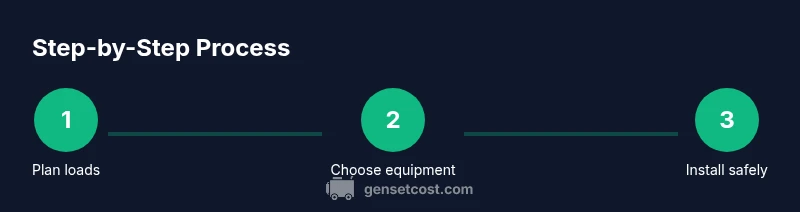
Planning a safe generator installation starts with understanding your load requirements and your panel’s capacity. Create a practical power list by writing down essential circuits (refrigeration, critical lighting, well pump) and optional loads. Then determine how many circuits will be fed by the generator and how they’ll be prioritized during an outage. With this plan, you can select a transfer switch and inlet configuration that matches your goals and local code. Always involve a licensed electrician in the planning phase to ensure proper grounding, neutral bonding, and correct conductor sizing. Check that the chosen transfer switch is compatible with your panel’s make and model, and confirm whether the installation requires permits or inspections. When the project is approved, schedule the work with a qualified installer, ensuring that outdoor components are weatherproof and that the wiring path stays clear of water, heat sources, and high-traffic areas. Finally, document the installation with manuals, model numbers, and a schematic for future maintenance.
Selecting Components: Inlet Boxes, Transfer Switches, and Cords
Choosing the right components is essential to a safe, reliable connection. The transfer switch or interlock must be properly rated for your generator size and compatible with your electrical panel. An exterior inlet box provides a dedicated, code-compliant entry point for the generator’s power cord and should be weatherproof and clearly labeled. Cords should be heavy-gauge, outdoor-rated, and long enough to reach the generator from the inlet without tension or kinking. Ensure that the wiring from the inlet to the transfer device is installed in conduit or suitable raceway and that all terminations are secure. For most home setups, you’ll want components listed for outdoor use, with proper grounding and a clear path to the main panel. Avoid makeshift adapters, and never connect a generator directly to an indoor outlet or to the household wiring without a transfer mechanism in place. A professional installer can help verify that the selected components meet local codes and the home’s electrical characteristics.
Common Mistakes and How to Avoid Them
Common mistakes include attempting to backfeed through an outlet, using non-listed adapters, and bypassing the main disconnect. Another frequent error is choosing cords that are too short or not rated for outdoor use, which can cause overheating or mechanical damage. People also forget to label circuits or test the system under a realistic load, which can reveal issues only during an outage. Finally, some DIY installations neglect the grounding and bonding requirements, increasing the risk of shock or equipment damage. To avoid these mistakes, work with a licensed electrician, follow listed equipment instructions, and perform a controlled test with a representative load. Always confirm that the power source is isolated from the utility grid before any work begins, and maintain a clear, accessible plan for maintenance and future inspections. Genset Cost’s review highlights that using proper interconnection equipment reduces the likelihood of code violations and accidental energization.
Maintenance and documentation: keeping the system safe over time
After installation, schedule periodic checks to ensure the interconnection devices remain secure and properly bonded. Regularly inspect cords for wear, weatherproof enclosures, and the condition of the inlet and switch. Keep a written record of the equipment model numbers, dates of service, and any changes to the system. When you test the system, use a safe procedure that involves a prepared load so you can observe voltage stability and transfer times. Periodic professional inspections are recommended to verify code compliance and component integrity. The Genset Cost team recommends maintaining a simple maintenance log and rechecking the setup annually, especially after major weather events or panel work. By staying proactive, homeowners and property managers can ensure reliable, safer backup power during outages.
Tools & Materials
- Transfer switch(Rated for generator size and panel compatibility)
- Generator inlet box(Weatherproof exterior enclosure for generator cord entry)
- Appropriate conduit/wiring(Conductor sizing and weatherproof routing per code)
- Heavy-gauge outdoor cord kit(Long enough to reach generator from inlet with proper strain relief)
- Insulated gloves and PPE(Basic safety gear for any electrical work)
- Licensed electrician(For design validation, permits, and final connection)
Steps
Estimated time: 4-6 hours
- 1
Assess panel capacity and load
Evaluate which circuits you would prioritize during an outage and confirm the panel can accommodate a transfer setup. This step is crucial to avoid overloading the system and to guide component selection.
Tip: Document essential loads first to guide switch sizing and inlet placement. - 2
Consult a licensed electrician
Engage a qualified professional to review panel compatibility, grounding, and interconnection requirements before any work begins.
Tip: Ask for a written plan that shows how the generator will connect to the panel. - 3
Choose compliant components
Select a listed transfer switch or interlock kit and a weatherproof inlet box that match your panel and generator characteristics.
Tip: Verify listings and outdoor ratings with the AHJ or manufacturer documentation. - 4
Plan wiring and routing
Map a safe path for wiring from the inlet to the transfer device, avoiding water, heat sources, and high-traffic areas.
Tip: Use conduit and proper strain relief at all terminations. - 5
Install and ground
Have the electrician install the transfer device and inlet box, then complete grounding/bonding per code.
Tip: Never attempt to complete bonding without professional guidance. - 6
Test with a managed load
Perform a controlled test with a representative load to verify transfer timing, voltage stability, and safety mechanisms.
Tip: Start with a small load and gradually increase to full capacity under supervision. - 7
Document and inspect
Record equipment models, dates, and schematics; schedule annual inspections and re-checks after weather events.
Tip: Keep the documentation accessible to tenants and inspectors.
People Also Ask
Is it safe to plug a generator into a household outlet?
No. Plugging directly into an outlet can backfeed power into the grid and create serious shock hazards for utility workers and others. It also risks damage to appliances and the generator. Use a transfer switch or inlet box with proper isolation.
No. Do not plug a generator into a household outlet; it creates backfeed and hazards. Use a transfer switch or inlet box to keep power isolated.
What is the recommended way to connect a generator to a home?
The safe method is to use a transfer switch (manual or automatic) or an interlock kit in combination with a dedicated generator inlet box. This setup isolates the home from the grid during generator operation and prevents backfeeding.
Use a transfer switch or interlock with a dedicated inlet box to safely connect a generator.
Do I need a permit to install a transfer switch?
Most jurisdictions require permits for interconnection devices like transfer switches and for any electrical retrofit. An AHJ review ensures the installation meets code and safety requirements.
Yes, check with your local authority for permit requirements and inspections.
Can I use an extension cord to connect a generator to my house?
Using a simple extension cord to power a home is unsafe and not a code-compliant method for whole-house backup. It can overheat and fail under load.
Extension cords aren’t a safe solution for whole-house backup and aren’t code-compliant.
What maintenance is required after installation?
Keep documentation up to date, inspect cords and enclosures, and schedule periodic professional inspections to verify code compliance and component integrity.
Maintain the system with regular checks and professional inspections.
How do I choose between a manual vs automatic transfer switch?
Manual switches offer lower cost and straightforward operation, while automatic switches provide hands-free power transfer and quicker response during outages. Your choice depends on budget, reliability needs, and whether you want automatic load prioritization.
Manual is cheaper; automatic is hands-off and faster during outages.
Watch Video
Key Takeaways
- Use a transfer switch to connect a generator to your home.
- Backfeeding is dangerous and often illegal without proper interconnection.
- Plan with an electrician and verify code compliance before installation.
- Test the system under a realistic load to confirm safety and reliability.
- Maintain documentation and schedule periodic inspections.