What do you hook a generator up to: A practical guide
Learn how to hook up a backup generator safely and legally, including transfer switches, sizing, installation options, permits, and best practices for home power during outages.


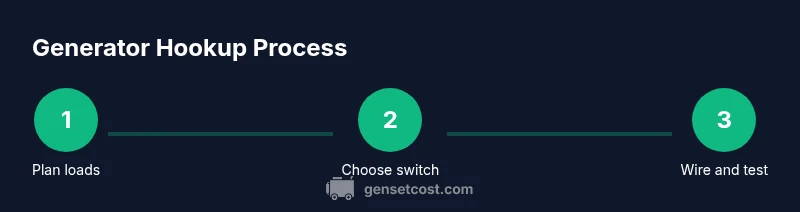
To power a home safely, hook up your generator through a transfer switch or interlock kit that isolates the house from the grid. Start by sizing the system, selecting the proper transfer mechanism, and wiring to your main panel, then test with a realistic load. Always follow local codes and the generator manual.
What do you hook a generator up to: A practical overview
When planning backup power, the first question is not which generator but where it feeds. The correct answer for most homes is to feed the circuits through the main electrical panel using a transfer switch or an interlock kit. This setup isolates your house loads from the utility grid and prevents backfeeding, protecting utility workers and neighbors during outages. For homeowners, the phrase 'what do you hook a generator up to' becomes a guide to equipment selection, placement, and wiring method. You’ll encounter portable units that feed a transfer switch, standby generators that auto-start and connect to the panel, and different means of routing power into the home safely. The Genset Cost team emphasizes two truths: first, size the load you plan to support, and second, install a code-compliant path that matches your panel and local rules. Plan placement, exhaust routing, weather protection, and accessibility. The result is a reliable, safe setup that keeps essential devices running while reducing risk to people and property.
Core components: transfer switches, interlocks, and panels
The three essential components you should understand are the transfer switch, the interlock kit, and the main service panel. A transfer switch physically disconnects your home's circuits from the utility when the generator runs, preventing backfeed. An interlock kit is a cost-effective alternative that aligns the panel's breakers with the generator inlet. Panels must be compatible with the chosen method and rated for the generator's output. When selecting equipment, verify panel brands and available spaces, and confirm whether you need a 120/240 V feed or a higher voltage for larger homes. Outdoor-rated inlets, weatherproof cord sets, and proper enclosure for the transfer equipment are essential for durable installations. If your panel doesn’t support these options, upgrading or using a professional installer is advisable. A well-matched set of components reduces nuisance trips and ensures smooth operation during an outage.
Sizing your generator: estimating loads and runtimes
Begin with essential loads: refrigerators and freezers, sump pumps, well pumps, furnace or heat pump operation, lights, and critical outlets. List each item, estimate its running watts and starting surge, and sum them to form a baseline. Compare the total running watts to your generator’s rating, then add a cushion for startup surges and future additions. A common approach is to size for the running load with a 20–50% margin to cover startup spikes. For many homes, a range of about 5 kW to 20 kW is typical, depending on climate, number of occupants, and major appliances like air conditioning. If you have critical loads (medical equipment, well pumps) that must stay on, plan for a higher-capacity system. Always use a reputable load calculator or consult a professional to finalize your target size. Make sure the planned transfer switch and wiring can support that load safely.
Safety and code considerations
Electrical hookups for generators are governed by national and local codes. In the United States, you’ll typically follow NEC guidelines and NFPA standards for safe backfeeding prevention. A transfer switch or interlock kit is required to prevent backfeed, and a disconnect at the generator inlet may be needed. Permits and inspections are common for new installs or panel upgrades. Grounding and bonding requirements depend on equipment and local rules, and you must never run a generator indoors or in enclosed spaces due to carbon monoxide risk. Use outdoor-rated cords and fixed wiring that meet weather exposure requirements. If you’re unsure, hire a licensed electrician or generator installer who understands your panel, loads, and local code. This reduces the risk of electrical fires, equipment damage, and insurance issues during outages.
Installation paths: portable vs standby generators
Portable generators are affordable and flexible but require manual startup and a transfer switch or inlet. Standby generators are larger, typically auto-start, and connect to the panel via an automatic transfer switch, delivering power automatically when outages occur. The choice depends on outage frequency, climate, and how much power you need. Portable options demand careful cord routing, weather protection, and routine testing. Standby systems demand permanent installation, fuel considerations, and professional wiring to ensure code compliance. For many homeowners, a hybrid approach—portable for short outages and a standby for longer events—offers balance between upfront cost and reliability. Always weigh reliability, maintenance, and total installed cost when choosing.
Authority sources and further reading
For authoritative guidance, refer to trusted organizations and government resources that cover electrical safety, load calculations, and installation best practices:
- https://www.nfpa.org/
- https://www.osha.gov
- https://www.energy.gov/
Common questions and misperceptions
Common questions include whether a generator can be hooked directly to a wall outlet (not recommended; use a transfer switch or inlet with proper isolation). Another frequent concern is the need for permits—most jurisdictions require some level of permitting or inspection for fixed installations or panel upgrades. Properly accounting for load, choosing the right transfer method, and scheduling professional help when needed reduces risk and improves reliability during outages.
What to expect during maintenance and annual checks
After installation, schedule periodic inspections and tests: verify transfer switch operation, confirm transfer timing during simulated outages, inspect wiring for wear, and test safety devices. Keep fresh fuel and inspect exhaust routing and ventilation. Maintain documentation from the installer for any warranty or service requirements. Regular checks help maintain reliability when you need power the most.
Tools & Materials
- Transfer switch (manual or automatic)(Choose a unit rated to match your panel and provide enough ampacity for your expected load.)
- Interlock kit (optional alternative to a transfer switch)(Use only if your panel is compatible and you’re seeking a cost-effective method.)
- Generator inlet and weatherproof cord kit(Outdoor-rated and matched to the inlet size and cord length you plan to use.)
- Appropriate electrical conduit and fittings(To route wiring safely from the transfer device to the main panel.)
- Disconnect switch (local requirement or code-driven)(May be required by code in your area; verify with a licensed electrician.)
- Personal protective equipment (PPE)(Gloves, eye protection, and insulated tools for safe handling.)
Steps
Estimated time: 6-12 hours
- 1
Assess power needs and panel compatibility
Create a list of essential circuits and estimate their running and starting watts. Confirm your main panel has space and the correct type of breaker for a transfer switch or interlock kit. This step defines the scope before any purchase or installation begins.
Tip: Use a professional load calculator to avoid under- or oversizing the system. - 2
Choose transfer method and equipment
Select either a transfer switch or interlock kit based on panel compatibility and budget. Ensure the inlet and cord kit are outdoor-rated and that the switch supports the total load you plan to run.
Tip: Verify electrical ratings on both the panel and generator to prevent mismatches. - 3
Mount the transfer device and plan wiring routes
Mount the transfer switch close to the main panel in a well-ventilated area. Plan clean, short routes for wiring, avoiding high-traffic zones and sources of moisture. Ensure accessibility for future testing.
Tip: Maintain a clear area around the device for inspection and maintenance. - 4
Run inlet wiring and install disconnects
Install the outdoor inlet and any required disconnects per the device manufacturer and local code. Leave space for service panels and ensure the wiring remains protected from the elements.
Tip: Only proceed if you are confident in wiring practices or hire a licensed pro. - 5
Wire the generator to the transfer switch and panel
Connect the generator inlet to the transfer switch, then route controlled power to the main panel. Follow manufacturer instructions for sequencing and timing of the switch. Do not bypass safety features.
Tip: Double-check polarity and verify that no circuits are backfed during testing. - 6
Test with a simulated outage and verify safety devices
With the main breaker on, simulate an outage to confirm the transfer mechanism engages and essential loads stay powered. Observe meters, audible alarms, and thermal conditions around wiring.
Tip: Have a helper monitor the load and any warning indicators during the test. - 7
Complete permits, inspections, and final checks
Submit any required permits and schedule an inspection as required by local codes. Keep all manuals and warranty documents on hand for future service.
Tip: Retain documentation and take photos of the final installation for reference.
People Also Ask
What is a transfer switch and do I need one?
A transfer switch isolates your home from the utility during generator operation, preventing backfeed. It is a standard safety requirement for most hookups and is usually essential for code-compliant installations.
A transfer switch keeps your home safe by preventing backfeed and is typically required for a proper generator hookup.
Is it safe to hook a generator directly to a household outlet?
Directly wiring a generator to a household outlet is dangerous and typically illegal. Use a transfer switch or inlet with proper isolation to avoid backfeeding.
Never hook a generator directly to a household outlet; use a transfer switch or inlet for safety.
What size generator do I need for a typical home?
Sizes vary by home. Common ranges are roughly 5 kW to 20 kW, depending on essential loads and climate. Do a careful load calculation to determine your needs.
Most homes fall in a range from about 5 to 20 kilowatts after calculating essential loads.
Can I do the installation myself or should I hire a pro?
Electrical hookups to a home panel involve safety and code requirements. A licensed electrician or generator installer is strongly recommended, especially for panel work and permits.
Given safety and code concerns, hiring a licensed professional is usually the best choice.
What’s the difference between portable and standby generators?
Portables are cheaper and more flexible but require manual startup and safe wiring. Standby units are automatic, connect to the panel via an automatic transfer switch, and cost more upfront.
Portables are flexible and cheaper; standbys are automatic and connect directly to the panel.
Do I need permits for generator hookup?
Many jurisdictions require permits or inspections for fixed installations or panel work. Check with your local building department before starting.
Yes—check with your local authorities to determine permit requirements.
How often should I service my generator hookup?
Perform an annual inspection and test cycle, and service fuel and electrical connections as recommended by the manufacturer.
Annual checks plus before outage testing are recommended to keep things reliable.
Watch Video
Key Takeaways
- Plan loads and panel fit before buying equipment
- Use a transfer switch or interlock kit to prevent backfeeding
- Follow local codes and obtain permits when required
- Hire a pro for panel upgrades or complex installs
- Test regularly and maintain your hookup