Generator to House Hookup: Safe, Code-Compliant Installation Guide
A practical, safety-first guide for homeowners and property managers on connecting a generator to a home. Learn sizing, transfer switches, permits, and step-by-step installation without compromising safety. 2026 guidelines explained by the Genset Cost team.


This guide helps homeowners safely connect a generator to a house, covering sizing basics, choosing between portable and standby units, and installing a transfer switch. You'll learn essential safety steps, how to assess loads, relevant codes, permitting, and a practical step-by-step plan you can discuss with a licensed electrician today before starting.
Understanding the generator-to-house hookup: goals, safety, and code basics
According to Genset Cost, homeowners embarking on a generator-to-house hookup should prioritize safety, code compliance, and a clear load plan. This section explains why a transfer switch is essential, the difference between portable and standby systems, and the core safety principles that protect people and property. You’ll learn how backfeeding risks arise when a generator is connected directly to a panel without an interlock or transfer mechanism, and why interconnection with the utility requires a formal, code-compliant installation. We’ll cover basic terms like main breaker, feeders, neutral grounding, and ground fault considerations so you can talk confidently with a licensed electrician. The goal is to create a safe, reliable backup power setup that protects your home, reduces the chance of electrical fires, and minimizes nuisance outages during storms or grid downtime. By understanding these fundamentals, you’ll be better prepared to select a system that fits your home size, fuel type, and lifestyle while staying within 2026 electrical standards and local permitting rules.
This topic also introduces essential terminology and concepts that will recur in later sections, helping you communicate clearly with contractors and inspectors. Expect to see practical reminders about proper placement, ventilation, and outdoor-rated hardware that withstands weather while keeping living spaces safe from carbon monoxide exposure. The overall aim is to help you plan for reliability and safety, so outages don’t disrupt daily life or compromise appliances and medical devices. This is the starting point for a professional, code-compliant hookup that aligns with your home’s architecture and local rules.
Sizing and load planning: what your home actually needs
Accurate sizing begins with a practical load assessment. List essential circuits (critical lights, refrigeration, heating or cooling, medical devices) and estimate their continuous and peak demands. A basic rule of thumb is to favor essential loads over whole-house coverage for most homes, particularly when working with portable generators. The goal is to avoid overloading the transfer switch or feeder cables, which can cause nuisance trips or overheating. Use a simple load calculation method to identify a target generator size in kilowatts (kW) that matches the sum of the continuous loads plus a safety margin. For homes with evolving power needs, consider a modular approach, where a smaller generator covers daily essentials and a larger unit can be added later. Throughout the process, document your calculations and keep them accessible for your electrician so wiring, panel upgrades, and fuel storage requirements can be planned accordingly.
Load planning also involves prioritizing circuits: lighting first, refrigeration second, and climate control as a partial load. If you anticipate future changes, discuss scalable options with your installer—such as a wider service panel or an additional transfer switch—to avoid costly retrofits later. Clear documentation helps ensure the installer selects appropriately rated equipment and that the resulting system remains reliable under varying weather conditions. By the end of this step you’ll have a defensible sizing strategy that aligns with your daily needs and long-term goals.
Portable vs standby generators: trade-offs and scenarios
Portable generators are flexible and cheaper upfront, but require manual startup, fueling, and careful placement away from doors and windows to avoid carbon monoxide hazards. Standby or whole-house units are automatically connected via a transfer switch and can restore power within seconds when grid loss occurs. The trade-offs include cost, reliability, fuel source, and maintenance needs. For apartments or small homes, a compact portable unit might meet essential loads, while single-family homes with frequent outages often benefit from a professionally installed standby system. Your choice should align with local climate risk, utility reliability, and the level of convenience you want during outages. Genset Cost’s framework emphasizes evaluating long-term running costs and maintenance obligations alongside upfront purchase price.
In practice, many homeowners start with a portable unit for basic resilience and upgrade to a standby system as needs evolve. When you plan, consider the space you have for storage, the expected duration of outages, and how often you expect to rely on backup power. Always verify fuel availability and refueling safety practices, and remember that standby systems are typically integrated with automatic transfer switches to minimize manual steps during an outage.
Essential components: transfer switches, interlocks, feeders, and grounding
Central to a safe hookup is the transfer switch—automatic or manual—that isolates your home from the utility when the generator is running. An interlock kit can also be used to prevent backfeeding in some panel configurations. Feeder cables or conduits must be appropriately rated for the load and distance from the generator, and all connections require proper grounding per code. A correctly sized breaker or fused disconnect protects wiring and appliances. Don’t overlook weatherproof enclosures, outdoor-rated cables, and reliable connections to minimize corrosion and exposure. In this section, we outline the key parts, how they interact, and how to verify compatibility with your electrical panel and generator model.
A well-designed system uses a dedicated circuit for the generator and avoids tying into existing branch circuits that aren’t rated for temporary loads. The transfer switch ensures the utility and generator do not energize the same circuit simultaneously. We also discuss the importance of bonding and grounding, as improper grounding is a common source of shock hazards. If you plan to add future loads, ensure the chosen transfer switch has enough capacity to accommodate growth without exceeding its limits.
Wiring and installation: how a professional connects to your home
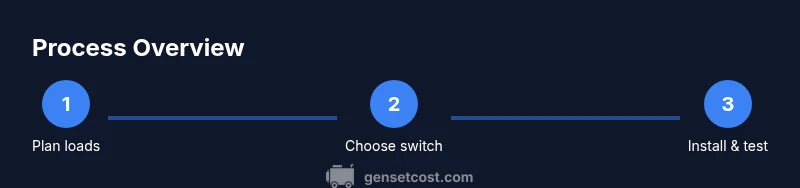
Wiring a generator hookup requires careful planning, accurate wiring diagrams, and adherence to electrical code. A licensed electrician should prepare the site, determine the best routing for feeders, and install the transfer switch or interlock according to the panel’s labeling. After wiring, the system should be inspected for proper grounding, correct neutrals, and secure conduit attachments. A critical step is testing under simulated load to confirm proper sequencing, voltage stability, and shutdown procedures. This section covers common installation configurations and emphasizes the importance of coordinating with your utility to avoid backfeed and comply with safety requirements.
Professional installation ensures that all components are compatible, wired correctly, and compliant with local codes. The installer will verify that the generator is properly grounded and that the transfer switch isolates the home from the grid when the generator operates. A thorough test will demonstrate that power is reliably restored to critical circuits without backfeeding into the utility grid. If you’re a homeowner, it’s essential to review the final wiring diagram and request a formal commissioning report for records and future service.
Permits, inspections, and code compliance: staying on the right side of authorities
Local jurisdictions typically require permits for generator hookups and annual inspections to verify installation safety. Codes governing backfeed prevention, grounding, and interconnection with the utility may vary, so confirm specific requirements with your city or county building department. Engaging a licensed electrician who understands the local electrical code reduces the chance of delay or rejection during inspection. Documented plans, load calculations, and product data sheets should accompany permit applications to demonstrate compliance with maintenance and safety expectations. Genset Cost emphasizes treating permits as part of the project timeline, not after the fact.
Permit processes often involve submitting a site plan, a load calculation worksheet, and specifications for the transfer switch and panel modifications. Some jurisdictions require a pre-inspection review or an engineer’s stamp for larger installations. Keeping all documentation organized and up-to-date helps streamline the inspection and avoids repeat visits. Always schedule inspections in advance and confirm the required documents with the authority having jurisdiction.
Safety practices and common pitfalls to avoid
Safety practices include turning off the main breaker, using proper PPE when handling wiring, and ensuring fuel storage is secure and ventilated away from living spaces. Never attempt to backfeed power through a wall outlet or a simple extension cord, and never connect a generator to a building’s natural gas line without a code-approved kit. Common mistakes include underestimating fuel needs, skipping load calculations, and neglecting routine maintenance. Always verify that the generator is placed outdoors with adequate clearance to prevent CO buildup. The goal is to minimize risk while maximizing reliability and safety for your family and property.
Never bypass required equipment—such as the transfer switch—because doing so exposes you to shock, fire, and backfeed hazards. Regularly inspect wiring for wear, secure connections, and corrosion. Keep a fire extinguisher nearby and ensure carbon monoxide detectors are active during generator operation. If in doubt, pause and consult your installer or local codes before proceeding with any modification.
Budgeting and maintenance: planning for longevity and reliability
Budgeting for a generator-to-house hookup involves upfront equipment costs, installation labor, and ongoing maintenance. Costs vary with generator size, transfer-switch type, and whether you’re upgrading the panel. Consider fuel availability, maintenance intervals, and potential service plans when comparing options. Regular maintenance—oil changes, filter replacements, and battery checks—extends life and reduces unexpected outages. For long-term reliability, schedule annual inspections and testing, and maintain clear documentation of parts and service history. Planning for fuel storage, weather protection, and periodic professional checks helps prevent unexpected outages during storms or heat waves.
Pro tip: Build a simple maintenance calendar and keep receipts for parts and service. This habit reduces the risk of forgotten service dates and helps when you compare contractors in future years. From a long-range perspective, investing in quality components and professional installation pays off in fewer outages and safer operation over the unit’s life expectancy.
Decision guide: portable vs whole-house systems and the final plan
Use a structured decision framework to decide between portable and standby solutions. Evaluate factors like outage frequency, budget, space, and local codes. Create a simple plan: determine essential circuits, select a transfer switch, confirm panel compatibility, and outline a commissioning test with your electrician. This approach helps you achieve a safe, code-compliant hookup that fits your home and lifestyle while maintaining flexibility for future upgrades.
The final plan should describe how you’ll store fuel (safely), where the generator will sit, how you’ll pull a permit, and how you’ll document the system for future safety checks. If you anticipate future growth or more complex loads, consider staged upgrades or a larger transfer-switch configuration to minimize disruption when you expand your backup power capability. With careful planning and professional support, you can ensure you have reliable power when you need it most.
Tools & Materials
- Automatic transfer switch (ATS) or manual transfer switch kit(Ensure compatibility with your generator and main panel)
- Appropriately rated electrical conduit and fittings(Per local code and distance, outdoor rated)
- Electrical wire (per load calculation)(Gauge per distance and load (NEC guidance))
- Grounding equipment (ground rod and grounding conductor)(Follow local code and bonding requirements)
- Weatherproof enclosure and outdoor-rated cables(Prevents corrosion and weather damage)
- Voltage tester/multimeter(On-site safety checks and troubleshooting)
- Outdoor-rated extension cords for temporary use(Only for temporary setups and small loads)
- Permits and inspection documents(Prepare permit applications and project plans)
Steps
Estimated time: Total time: 3-6 hours
- 1
Assess loads and establish objectives
Identify essential circuits (lights, refrigeration, medical devices) and estimate continuous versus peak loads. Document your findings and confirm with your electrician to set a realistic target for generator size and system configuration.
Tip: Start with the most critical loads; you can expand later if needed. - 2
Choose the right transfer switch configuration
Decide between automatic and manual transfer switches based on how quickly you want power restoration and the complexity you’re comfortable with. Confirm compatibility with your panel and generator brand.
Tip: Automatic switches provide seamless power restoration during outages. - 3
Plan routing for feeders and panel access
Map a safe route for feeder cables from the transfer switch to the main distribution panel. Ensure outdoor routing is weatherproof and compliant with clearance requirements.
Tip: Avoid high-traffic areas and areas prone to moisture. - 4
Install the transfer switch and interlock
Have a licensed electrician mount the transfer switch or install an interlock kit per the manufacturer’s instructions. Verify labeling and clearances match the panel design.
Tip: Double-check that the panel is de-energized before starting work. - 5
Make wiring connections and ground bonding
Connect feeders, neutrals, and grounding conductors according to code. Use proper conduits, seal penetrations, and test continuity to ensure safe operation.
Tip: Use a torque wrench to secure conductors to manufacturer specs. - 6
Perform initial tests under safe conditions
With utilities confirmed off, run the generator and verify automatic transfer, voltage stability, and safe shutdown procedures. Monitor for unusual noises, voltage fluctuations, or overheating.
Tip: Document test results for the commissioning report. - 7
Obtain permits and schedule inspections
Submit plans, load calculations, and equipment data to the local authority and arrange inspections. Address any deficiencies before final approval.
Tip: Keep a copy of the approved permit for future maintenance. - 8
Finalize documentation and maintenance plan
Create a maintenance calendar, store manuals, and record serial numbers. Plan routine checks (oil, filters, battery) to maximize reliability.
Tip: Regular checks reduce the risk of outages during severe weather. - 9
Conduct ongoing safety and capacity reviews
Review system performance after outages and adjust loads as needed. Update plans if you upgrade appliances or expand the panel in the future.
Tip: Schedule annual reviews with your electrician.
People Also Ask
What is a transfer switch and why do I need one?
A transfer switch isolates your home from the utility when the generator is running, preventing backfeed into the grid. It ensures safe, automatic or manual switching of power sources for selected circuits.
A transfer switch safely switches your home between the grid and your generator, preventing dangerous backfeed.
Can I connect a generator directly to my home's wiring?
No. Directly connecting a generator to household wiring without a transfer switch or interlock can backfeed the grid, posing shock and fire hazards. Always use an approved transfer switch.
Never connect a generator directly to your wiring; use a transfer switch to prevent backfeed.
How do I determine the size of the generator I need?
Start with essential loads and perform a load calculation to estimate the generator’s kilowatt rating. Consider future needs and consult with an electrician to confirm the final size.
Calculate essential loads first, then consult with a professional to pick the right size.
Do I need permits to install a generator hookup?
Yes. Most jurisdictions require permits and inspections for generator hookups. Your electrician can help with applications and ensure the installation meets local codes.
Permits are typically required; your electrician will guide you through the process.
What maintenance is required after installation?
Regular maintenance includes oil changes, filter replacements, battery checks, and periodic testing. Document service history and schedule annual inspections.
Keep up with maintenance like oil changes and tests to prevent outages.
What is the difference between portable and standby generators?
Portable generators are cheaper but require manual operation and more safety attention. Standby systems install with automatic transfers and restore power quickly during outages.
Portable units are affordable but need manual work; standby units auto-restore power.
Is it safe to connect a generator to a gas line or propane system?
Only with code-approved kits and professional installation. Modifying gas lines without proper equipment can create leaks or fire hazards.
Avoid messing with gas lines yourself; have a pro handle it.
Watch Video
Key Takeaways
- Plan loads before sizing or buying equipment
- Use an approved transfer switch to prevent backfeed
- Obtain permits and schedule inspections
- Work with a licensed electrician for safety and code compliance
- Test the system under load before relying on it during outages