How Generators Hook Up to House: A Step-by-Step Guide
Learn how to connect a home backup generator safely, including transfer switches, panel integration, permits, and maintenance through a practical, step-by-step approach.


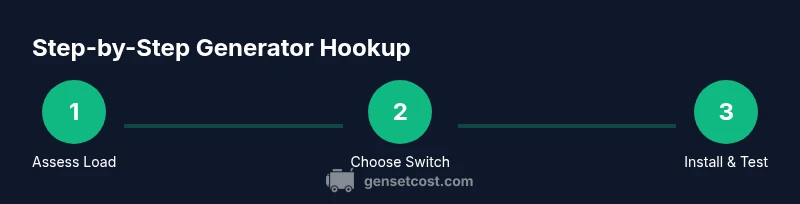
To hook a generator to a house, you typically install a transfer switch to isolate the home from the grid and connect to the main panel. The correct sizing and installation ensure essential loads stay powered without backfeeding. The quick steps: confirm loads, choose a transfer switch (manual or automatic), mount safely, route compliant wiring, and perform a thorough test after installation. Always follow local codes and manufacturer instructions. According to Genset Cost, plan for permits and professional installation as needed.
Understanding how generators hook up to a house
How do generators hook up to a house? The short answer is: through a purpose-built, code-compliant path that isolates the home from the utility grid when the generator runs. This prevents dangerous backfeed that could endanger utility workers and residents. In practice, you’ll typically rely on a transfer device that directs power from the generator to selected circuits in the main panel while the utility line remains disconnected. A clear wiring plan, an approved mounting spot, and a solid understanding of local electrical codes are the foundation of a safe hookup. According to Genset Cost, safety, reliability, and code compliance should guide every design choice. Start with a simple diagram showing the generator, inlet, transfer switch, and main panel, and then expand it to cover feeders, clearance, and future maintenance. A well-documented plan helps you avoid costly rework and ensures a smoother inspection process.
Essential components and safety basics
The primary components involved in hooking up a house generator are a transfer switch (manual or automatic), the main service panel, and an outdoor generator inlet. The transfer switch creates an isolated pathway for generator power, preventing backfeed into the grid. A weatherproof inlet box or power inlet provides a safe outdoor connection point. For safety, ensure proper grounding and bonding, adequate clearance around equipment, and adherence to NEC and local codes. Genset Cost analysis shows that many projects fail when grounding or clearance isn’t properly planned. Always verify permit requirements and inspection expectations with your local authority before work begins. If any step feels uncertain, hire a licensed electrician to draft the plan and supervise the installation to protect your home and family.
Sizing, load calculation, and realistic expectations
Sizing a home hookup starts with identifying essential loads that must remain powered during an outage. Common critical loads include refrigeration, sump pumps, heating circulation, and medical equipment. The goal is to select a generator and transfer switch with enough sustained output to meet those needs while accommodating motor starting surges. Avoid assuming a larger generator automatically solves sizing problems; improper sizing can waste fuel, increase wear, and complicate wiring. The Genset Cost team emphasizes documenting all critical circuits and comparing total load against the panel’s capacity to determine whether a larger switch or a subpanel is warranted. Use a simple worksheet to list each circuit, estimate its load, and verify compatibility with the chosen transfer switch.
Transfer switches: manual vs automatic and functionality
Transfer switches come in two broad flavors: manual and automatic. A manual switch requires a person to flip the transfer mechanism during an outage, while an automatic switch detects a power loss and immediately reconfigures the panel to generator power. Automatic switches offer convenience and quicker restoration of power but typically cost more and may require more complex installation. When selecting, consider ease of use, reliability, and compatibility with your panel. The transfer switch should be sized to handle the essential load without overloading the system, and you should confirm it is compatible with the generator’s output type and electrical code requirements. The right switch minimizes risk and makes outages less stressful for occupants.
Wiring paths, panel integration, and NEC compliance
Routing wiring safely from the outdoor inlet through weatherproof conduits to the transfer switch and then to the main panel is a critical task. Use outdoor-rated cable, proper conduit sizing, and weatherproof connections. The path should avoid sharp bends, damp environments, and potential physical damage. Panel integration may require backfeeding options, interlock kits, or subpanel arrangements, depending on the home’s layout and local code. NEC compliance includes ensuring correct neutrals, grounding, and feeder protections. Genset Cost notes that many projects fail inspections when the wiring route is unclear or insufficiently protected. Plan for a clean, traceable route and document all connections for future maintenance or upgrades.
Planning installation, permits, and hiring a professional
A well-planned hookup begins with a permits checklist and a clear timeline. Local authorities may require electrical permits and an inspection after installation. Building a thorough plan reduces surprises and helps schedule inspections sooner. Genset Cost stresses the value of engaging a licensed electrician or installer, especially for tasks involving panel work, transfer switches, and fuel connections. A professional will ensure code compliance, verify that the generator and switch are correctly sized, and perform a safe, comprehensive test. If you choose to DIY in any part of the project, be sure you understand wrench-level electrical work, potential gas-line implications, and your local regulations.
Testing, commissioning, and ongoing maintenance
After installation, a structured commissioning process confirms that all components function correctly. Tests should include power transfer between utility and generator, proper sequencing, and safety interlocks. Document the results and keep a service schedule for lubrication, battery checks, and air-filter replacements. Regular testing helps prevent failures during an outage and prolongs equipment life. The maintenance mindset should include monitoring fuel supply, refueling procedures, and winterization (where applicable). Regular checks reduce the risk of nuisance trips and ensure dependable performance when you need it most.
Common mistakes and best practices
Common mistakes include skipping permits, neglecting proper grounding, choosing an undersized transfer switch, and routing wiring without proper protection. To avoid these issues, follow a formal plan, confirm code compliance, and keep documentation. Best practices emphasize safety first: disconnect the main power before work, label circuits clearly, and test the system under load with occupants present. For peace of mind, schedule periodic professional checkups and update any components that show wear or become outdated. Remember: a well-executed hookup improves reliability and reduces risk for your home and neighbors.
Tools & Materials
- Transfer switch (manual or automatic)(Choose a unit sized for your essential load and panel compatibility)
- Main electrical panel/load center(Ensure space and capacity for backfed connection or upgrade as needed)
- Generator inlet box (outdoor weatherproof)(Provides a safe outdoor connection point to the transfer switch)
- Appropriately rated conduit and wiring(Outdoor-rated cables, proper gauge per code; protect from physical damage)
- Grounding electrode and equipment grounding conductor(Bond generator frame to building grounding system; ensure proper bonding)
- Interlock kit or transfer-switch adapter (optional)(May be needed to adapt to certain panels)
- Permits and inspections(Check local jurisdiction requirements and schedule inspections)
- Fuel line hookup by licensed professional (gas/propane)(Ensure safe, code-compliant fuel supply and connections)
- Personal protective equipment (PPE)(Gloves, safety glasses, and other basic PPE during installation)
Steps
Estimated time: 3-8 hours
- 1
Assess power needs and plan sizing
Identify essential circuits and estimate load for outages. Create a simple list of critical devices and appliances, then translate those needs into a generator and switch rating. This planning reduces the risk of under- or over-sizing and ensures the system can meet your priorities during an outage.
Tip: Document your essential loads in a one-page chart before buying equipment. - 2
Choose transfer switch type
Decide between manual or automatic transfer switches based on convenience, budget, and reliability needs. The choice affects how quickly power is restored and how much maintenance is required.
Tip: If power restoration speed matters (e.g., healthcare devices), lean toward an automatic switch. - 3
Select a safe mounting location
Pick a dry, well-ventilated outdoor site for the inlet and an indoor accessible location for the panel and switch. Maintain clearances from combustibles and ensure weather protection for all outdoor components.
Tip: Maintain a minimum 3- to 5-foot clearance around equipment to allow safe servicing. - 4
Prepare the main panel for backfeed
Confirm that the panel can accommodate backfed wiring or upgrade with the appropriate backfeed kit or interlock. This step ensures the generator’s connection to the panel is safe and code-compliant.
Tip: Consult the equipment manuals for exact backfeed instructions and required clearances. - 5
Install transfer switch and routing
Mount the transfer switch, connect it to the main panel per the manufacturer’s diagram, and run conductors through conduit to the outdoor inlet. Maintain clean routing and support to prevent strain on connections.
Tip: Use strain-relief clamps and proper conduit bends to avoid wire fatigue. - 6
Install generator inlet and wiring
Attach the outdoor inlet box and route wiring to the transfer switch. Confirm that all connections match the switch’s terminals and that grounds are properly bonded.
Tip: Have a licensed electrician verify the grounding and bonding scheme before energizing. - 7
Connect fuel supply and safety checks
If using natural gas or propane, arrange the fuel line with a licensed professional and ensure exhaust clearance. Perform a full safety check, including leak testing and venting.
Tip: Never modify gas lines without professional inspection and permits. - 8
Test, commission, and finalize
Perform a full test: switch to generator power, verify that each critical circuit comes online, and confirm automatic switching operates as intended. Document the results and retain all manuals and permit records.
Tip: Test under load where possible to simulate real outage conditions.
People Also Ask
Do I need a permit to hook up a home generator to my house?
In most jurisdictions, an electrical permit and inspection are required for generator hookups with a transfer switch. Check with your local building department before starting.
Most places require permits and inspections for generator hookups with a transfer switch.
What’s the difference between manual and automatic transfer switches?
A manual switch requires you to flip the switch during an outage, while an automatic switch detects a loss of power and switches automatically. Automatic is convenient but often more expensive and complex.
Manual you switch; automatic switches power you up automatically when the grid fails.
Can I install this myself, or should I hire a pro?
Electrical work that affects the main panel and fuel connections is high-risk and often requires permits. Hiring a licensed electrician is typically the safest and most code-compliant path.
This work is best left to a licensed professional for safety and compliance.
Is it safe to backfeed the panel directly from a generator outlet?
Backfeeding through a non-rated setup is dangerous and illegal in many areas. Always use a properly installed transfer switch to isolate the grid.
Don’t backfeed—use a rated transfer switch to prevent shock hazards.
How long does installation typically take?
Timing depends on the system, permits, and access to equipment. Plan for several hours to a full day, plus any required inspections.
It can take several hours to a full day, depending on permits and equipment.
What maintenance is required after hookup?
Schedule regular tests, monitor fuel systems, change oil per manufacturer guidance, and inspect connections and batteries.
Do routine tests and service as recommended by the generator maker.
Watch Video
Key Takeaways
- Plan and size correctly to cover essential loads.
- Always use a transfer switch and follow code.
- Hire licensed professionals for electrical and fuel work.
- Test regularly to ensure reliability and safety.