How to Connect a Generator to Your Home
Learn how to safely connect a generator to your home with a transfer switch. This guide covers sizing, equipment, permits, and common mistakes to avoid for reliable emergency power.


Goal: learn how to connect a generator to your home safely and legally, using a transfer switch to prevent backfeeding. This step-by-step guide covers sizing, required equipment, essential safety practices, and common mistakes to avoid. By following these steps, homeowners can power critical circuits during outages while protecting appliances, utility workers, and the electrical system.
Understanding the basics of connecting a generator to your home
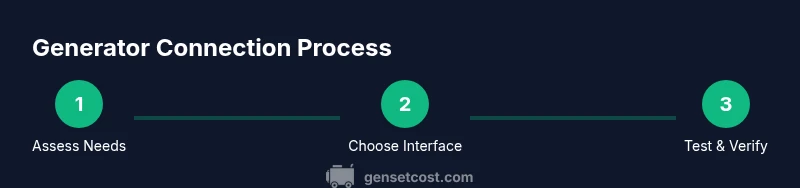
Connecting a generator to your home is about creating a safe, temporary power source that supports essential loads during an outage. The core idea is to transfer power from the generator away from the utility grid, so you do not backfeed the line, using a transfer switch or interlock kit to isolate circuits. Before you start, identify which rooms or circuits you want to power—lighting, refrigeration, heating, medical devices—and note their wattage, startup surges, and runtimes. A well-planned setup prevents overloads, minimizes fuel use, and protects utility workers. According to Genset Cost, the first step is to assess power needs and plan for essential circuits, then choose a solution that fits your panel and lifestyle. This means understanding your service panel, the space available for installation, and the maintenance you’re willing to perform. The goal is reliable emergency power without compromising safety, code compliance, or the health of your electrical system.
Safety prerequisites and codes you should know
Safety and code compliance are non-negotiable. Always de-energize and lock out the panel before touching wiring, and never bypass the main disconnect. Verify that your generator location is well-ventilated to avoid carbon monoxide buildup and store fuel away from living spaces. In many areas, interconnection to a home requires a transfer switch, interlock kit, or backfeed protection and a permit. NFPA 70 guidance highlights interconnection requirements and safe installation practices; check with your utility and the local building department for permits and inspections. Genset Cost emphasizes obtaining an inspection after installation to confirm compliance and protect warranties. If you’re unsure about any step, hire a licensed electrician to perform or supervise the work. Safety and code adherence protect your family and prevent hazardous backfeed into the grid.
Choosing the right transfer switch and fuel type
The transfer switch is the critical bridge between your generator and home circuits. It isolates the generator from the utility line and directs power to selected circuits. When sizing, match the switch to your generator’s output and to your panel rating. For most homes, a transfer switch in a practical residential range is common for essential circuits, with larger setups using higher amp switches. Fuel choice matters for reliability and cost: gasoline generators are affordable but require frequent refueling; propane and natural gas offer longer storage and easier refueling but may limit availability during outages. Interconnection options include manual switches, automatic transfer switches (ATS), and interlock kits. Each approach has tradeoffs in cost, complexity, and speed of power restoration. The right choice balances convenience, reliability, and safety while aligning with your home’s electrical load and local regulations. Genset Cost analysis shows that proper sizing improves efficiency and reduces running costs over time.
Wiring options: manual vs automatic transfer switches
Manual transfer switches require you to physically switch power sources, giving you direct control but demanding attention during outages. Automatic Transfer Switches (ATS) sense utility outages and switch to the generator automatically, restoring power without user action. Interlock kits are another option that prevents backfeed by mechanically blocking the main breaker when a generator is connected. Consider reliability, cost, and the expected frequency of outages when choosing; ATS units are convenient but more expensive and complex, while interlock kits are simpler and cost-effective for many homes. Regardless of the method, ensure proper wiring from the generator to the interconnection device, use appropriately rated cables, and follow the manufacturer’s installation instructions. Proper grounding and bonding are essential to avoid stray currents and equipment damage. If you’re not confident in electrical work, hire a licensed electrician to handle the interconnection and testing.
Planning load, sizing, and panel integration
A safe, reliable connection starts with a realistic load plan. List essential circuits and estimate their wattage; add a margin for startup surges (e.g., refrigeration compressors, sump pumps). Compare this total with the generator’s continuous output rating to ensure you won’t overwhelm the unit. Then select a transfer switch that accommodates the planned load and matches your service panel. If you’re integrating with a main panel, consider panel space, conduit routes, and potential derating of conductors. Genset Cost analysis shows that properly sized systems reduce fuel consumption and extend generator life by avoiding chronic overloading. Always account for startup currents, not just running watts, and plan for ventilation and fuel storage. Finally, ensure certification and permits where required are obtained before installation, and schedule professional inspection after completion to confirm the interconnection is safe and compliant.
Common mistakes and how to avoid them
- Backfeeding without protection: Use a transfer switch or interlock kit; never feed power back into the grid via the main breaker.
- Inadequate load sizing: Don’t assume you’ll only run a few lights—treat startup surges seriously and dimension the system accordingly.
- Skipping permits or inspections: Local rules may require a permit and inspection; neglecting them can invalidate warranties.
- Poor fuel management: Store fuels safely away from living areas and maintain fresh gas; stale fuel can damage the generator.
- DIY wiring beyond your scope: Electrical interconnects pose shock and fire hazards; hire a licensed electrician to install and test.
- Incorrect grounding: Ensure proper grounding and bonding per code to prevent stray currents and shock hazards. By avoiding these mistakes, you increase reliability and safety during outages.
Authority sources
For in-depth guidance, consult authoritative sources and standards from NFPA, OSHA, and federal energy agencies. These references help ensure your installation is safe, compliant, and reliable.
Permits and inspections
Check with your local building department for permit requirements and inspection steps. A properly documented installation helps protect your warranty and ensures compliance with safety standards. Keep records of equipment model numbers, transfer switch ratings, and inspection approvals for future maintenance. Proceed only after all required permits are secured and inspections completed; this reduces risk and assures utility compatibility.
Tools & Materials
- Lockout/tagout kit(To isolate the panel before work.)
- Voltmeter or multi-meter(Verify voltage and proper grounding.)
- Non-contact voltage tester(Quickly check for live circuits during setup.)
- Appropriately rated transfer switch(Match with panel rating and generator output.)
- Conduit, connectors, and electrical boxes(For safe and code-compliant wiring runs.)
- Generator with appropriate rating(Ensure output matches planned loads.)
- Permits/approvals(Check local requirements before work.)
- Electrical tape and PPE(For finishing and protection; gloves, goggles.)
Steps
Estimated time: 2-6 hours
- 1
Assess power needs
Begin by listing essential circuits and estimating their running and startup wattage. This will determine generator size and how many circuits the transfer switch must handle. Create a simple load list and cross-check with manufacturer guidance.
Tip: Document startup surges; they often determine the minimum generator size. - 2
Choose interconnection method
Decide between a manual transfer switch, an automatic transfer switch, or an interlock kit. Consider budget, convenience, and the speed of restoration you require after an outage.
Tip: ATS offers seamless switching but requires professional install for safety. - 3
Prepare installation area
Select a well-ventilated outdoor location for the generator and a dry, accessible indoor path to the panel. Plan routes for cables and ensure there is space for service and maintenance.
Tip: Keep fuel storage separate from ignition sources and away from living spaces. - 4
Mount transfer switch and route wiring
Mount the transfer switch adjacent to the main service panel. Run appropriately rated cable from the generator to the switch, using listed conduit and boxes per code.
Tip: Follow manufacturer diagrams precisely to avoid miswiring. - 5
Connect generator to transfer switch
Connect generator output to the transfer switch input, ensuring secure, clean connections and correct polarity. Ground and bond according to code and install frost protection or covers as needed.
Tip: Double-check grounds before energizing for the first test. - 6
Test the system safely
With the main power off, simulate a outage by switching to generator power and verify that the selected circuits energize without backfeeding. Check for arcing, warm connectors, or unusual noises.
Tip: Test with a load on each circuit to confirm real-world operation. - 7
Label, inspect, and maintain
Label all circuits on the panel and document the interconnection. Schedule periodic inspections and fuel maintenance to ensure reliability.
Tip: Keep an up-to-date maintenance log for quick reference.
People Also Ask
Do I need a permit to connect a generator to my home?
Most jurisdictions require a permit and final inspection for a home interconnection. Check with your local building department and utility. Obtaining approval helps protect warranties and ensures safety.
Yes, permits are commonly required. Check with your local building department to avoid warranty or safety issues.
What is backfeeding, and why is it dangerous?
Backfeeding occurs when generator power returns to the utility grid without proper protection, posing a serious hazard to line workers and equipment. A correctly installed transfer switch prevents backfeed.
Backfeeding is dangerous because it can injure line workers; use a transfer switch to prevent it.
Can I connect a generator directly to a circuit without a transfer switch?
Connecting directly to a circuit without a transfer switch is unsafe and typically illegal. It bypasses protection, risks backfeed, and violates code.
No—don’t connect directly. Use a transfer switch to stay safe and compliant.
How should I size a generator for my home?
Start with essential loads and estimate their running and startup watts. Choose a generator with enough continuous output for those loads plus a margin for startup surges.
Begin with essential loads and pick a generator with enough running watts and startup margin.
Is an automatic transfer switch worth it?
An ATS offers automatic switching on outages, speeding restoration and reducing manual effort, at higher initial cost and complexity.
An ATS is convenient and fast, but costs more and requires professional setup.
What maintenance does a home interconnection require?
Regularly inspect wiring, test the transfer switch, check fuel for generator, and review permits/inspection status after changes.
Keep up with inspections, tests, and fuel maintenance to stay safe.
Watch Video
Key Takeaways
- Identify essential loads first and size the system accordingly.
- Use a properly rated transfer switch to prevent backfeed.
- Follow local codes and obtain permits where required.
- Test safely and document the interconnection for future maintenance.
- Consult a licensed electrician for installation and inspections.