Generator Connection to House: A Homeowner's How-To
A homeowner's step-by-step guide to connecting a generator to the house safely, including transfer switches, permits, and maintenance. Learn sizing, installation options, and costs with Genset Cost guidance.


By the end of this guide you will master a safe generator connection to house. You’ll learn how to choose a transfer switch or interlock kit, size for essential loads, obtain required permits, and verify a code-compliant installation. This practical plan helps homeowners avoid backfeed, electrical fires, and power outages while keeping costs transparent and predictable.
What a generator connection to house means and why it matters
A generator connection to house refers to linking a backup power source to your home's electrical system through a properly installed transfer mechanism. The goal is to power selected circuits during an outage without energizing the utility lines, which can endanger utility workers and neighbors. This approach also prevents backfeeding that could damage appliances or the generator itself. According to Genset Cost, a well-planned connection improves safety, reliability, and long-term costs by reducing unnecessary generator running and avoiding accidental manual wiring mistakes. For homeowners and property managers, understanding the difference between a portable generator and a permanently installed system is crucial. A portable unit paired with a transfer switch can power essential circuits quickly, while a permanently installed setup designed by a licensed electrician can provide automatic operation and broader coverage. Both options require proper load sizing and clear labeling to avoid overload and confusion during emergencies. The generator connection to house is not just about plugging in; it is about integrating power in a controlled, code-compliant way that protects people, pets, and delicate electronics in your home.
Safety considerations you cannot skip
Before any installation, acknowledge that working with mains power is hazardous. The transfer switch isolates your home from the utility feed, preventing dangerous backfeed. Always verify that the standby generator is properly grounded, that cords are rated for outdoor use, and that outdoor equipment is protected from moisture. A legitimate installation should comply with local codes and the National Electrical Code (NEC) guidelines. The Genset Cost Analysis, 2026 notes that most jurisdictions require professional installation and permitting for any generator connection to house. Noncompliance can void warranties or insurance coverage and create serious risk during storms or outages. Carbon monoxide is another critical safety concern—never run a generator indoors or in a closed space, and position the unit with adequate ventilation. A code-aware plan reduces the chance of nuisance tripping, nuisance starting, or damage to the generator or your electrical system.
Transfer switches vs. interlock kits: picking the right method
Two main approaches exist for the generator connection to house: transfer switches and interlock kits. A transfer switch (manual or automatic) is the safest, most widely recommended solution because it mechanically separates the utility and generator feeds. An automatic transfer switch starts the generator automatically when power is lost and switches back when normal power returns. An interlock kit, by contrast, relies on a smart panel modification that prevents simultaneous energizing of both feeds while allowing you to manually select circuits. The choice depends on your budget, reliability needs, and how many circuits you want to prioritize. For homeowners seeking simplicity, a manual transfer switch paired with labeled circuits can suffice; for property managers or larger homes, an automatic transfer switch offers better resilience in outages. In all cases, ensure the transfer mechanism is sized for the expected load and installed by a qualified electrician to maintain code compliance and warranty protection.
Core components and wiring basics you should know
A safe generator connection to house requires a dedicated transfer mechanism, proper cabling, and a protected service panel. The essential components include a generator capable of meeting your load profile, a transfer switch (manual or automatic), a main or sub-panel to distribute power, and weather-rated conduit and cords. You’ll also need a grounding electrode system as required by code, a disconnect switch near the service entry, and appropriately rated breakers or lugs. Good practice includes weatherproof enclosures, labeled circuits, and secure, code-compliant wiring that minimizes voltage drop. While the exact wiring depends on your panel and generator, the overarching goal is to create a controlled path for electricity that isolates the utility from the generator and protects your household circuits from overload. The goal is to keep the setup organized, accessible, and clearly documented for future maintenance.
Step-by-step overview (high level) of a code-compliant install
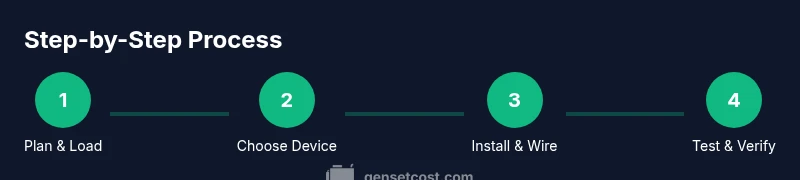
A high-level overview helps you understand the sequence without exposing you to risky details. First, plan and calculate the expected load to determine generator size and transfer-switch capacity. Next, select a transfer switch or interlock kit that matches your panel and load profile, then obtain any required permits. After that, shut off the main breaker and install the transfer device, route cables through weatherproof pathways, and connect the generator to the transfer switch with correctly rated cords and lugs. Finally, test the system under load conditions, verify that the utility feed is isolated, and confirm that all circuits are properly labeled. This overview emphasizes safety, compliance, and maintainability so you can re-check every connection in the future.
Maintenance, testing, and common mistakes to avoid
A well-maintained generator connection to house requires regular testing, especially after major power outages or panel work. Schedule periodic exams to inspect cords, switches, and grounding, and verify that the automatic start sequence functions as intended. Common mistakes include backfeeding without a switch, choosing an undersized transfer switch, and routing cords through wet or high-traffic areas. Use weatherproof outlets and avoid daisy-chaining extensions; keep a clear path to the generator and maintain a clean, organized panel. Genset Cost recommends annual or semi-annual checks by a licensed electrician to preserve safety, reliability, and compliance.
Authority sources you can trust
- National Electrical Code (NEC) guidelines: check your local amendments and permit requirements.
- OSHA safety standards for electrical installations and lockout/tagout practices.
- U.S. Department of Energy and state energy offices for guidance on standby power and resilience.
- NFPA standards and UL-listed equipment for electrical components and performance.
Summary of why a proper generator connection to house matters
A safe generator connection to house protects your family, your home, and your equipment. By selecting the right transfer switch, sizing for essential loads, and following local codes, you minimize risk and maximize uptime during outages. This knowledge helps homeowners and property managers plan more thoughtfully, install more reliably, and maintain systems with fewer surprises during emergencies.
Tools & Materials
- Portable or standby generator with adequate rating for essential loads(Ensure it can safely supply the intended circuits)
- Transfer switch (manual or automatic)(Rated for your load and compatible with your panel)
- Interlock kit (alternative to a transfer switch)(Approved for your panel model)
- Main service panel or sub-panel(With spare breaker space for transfer-switch input)
- Weatherproof conduit, exterior-rated cables, and wire connectors(Outdoor routing and protected terminations)
- Grounding equipment and bonding materials(Follow local grounding rules)
- Disconnect switch and enclosure near service entry(To isolate the system during servicing)
- Tools: multimeter, voltage tester, insulated gloves, torque wrench(For safe, accurate connections)
- Permits (electrical) as required by local codes(Ensure compliance before starting)
- Weatherproof outdoor receptacles and cords rated for generator use(Prevent moisture intrusion and corrosion)
Steps
Estimated time: 2-6 hours
- 1
Plan and load assessment
Assess essential circuits and calculate expected standby loads to guide generator sizing and switch selection. Consider critical devices such as HVAC, sump pumps, refrigeration, lighting, and outlets used during outages. This upfront planning reduces trial-and-error wiring later.
Tip: Create a circuit-by-circuit list and map it to the panel. - 2
Choose transfer mechanism
Select either a transfer switch (manual or automatic) or an interlock kit that fits your panel and load needs. The transfer switch is generally safer and easier to maintain for most homes.
Tip: If you expect frequent outages, lean toward an automatic transfer switch. - 3
Obtain permits and plan professional help
Check local codes and secure any required electrical permits. Plan to have a licensed electrician perform the critical connections to ensure safety and warranty integrity.
Tip: Don't skip permit steps; they prevent post-installation surprises. - 4
Install the transfer device and routing
Mount the switch or interlock kit in or near the main service panel and route conductors through weatherproof conduits. Keep entry paths clear and avoid running cords across living areas.
Tip: Label all circuits controlled by the switch clearly. - 5
Make generator connections and tests
Connect generator output to the transfer device with appropriately rated cables and lugs. Power up, test with a load, and verify isolation from the utility feed appears when the switch is in 'off' or 'neutral' position.
Tip: Perform a static test before an outage to confirm operation. - 6
Document and maintain
Record panel changes, wiring diagrams, and maintenance schedules. Inspect connections periodically and after severe weather or renovations.
Tip: Keep a copy of permits and dealer installation notes for future service.
People Also Ask
Is a transfer switch required for a generator connection to house?
For most code-compliant installations, a transfer switch is required to safely isolate the house from the utility when the generator runs. It prevents backfeeding that could endanger utility workers and damage equipment.
Yes. A transfer switch is typically required to safely isolate the home from the grid when the generator runs.
Can I connect a generator directly to the house without a transfer switch?
Directly wiring a generator to a house without a transfer switch is dangerous and generally non-compliant with building codes. Always use a transfer switch or interlock kit designed for your panel.
No. You should not connect a generator directly to the house; use a transfer switch or interlock kit.
What size generator do I need for essential loads?
Sizing depends on your critical loads. A typical approach is to cover lights, refrigeration, heating/cooling, sump pumps, and essential outlets. A professional load calculation ensures the generator meets demand without overloading.
Size your generator to handle your essential loads, not every device in the home.
Do I need permits to install a generator connection to house?
Yes. Most jurisdictions require electrical permits for installation and inspections to confirm code compliance and safety.
Yes, obtain the necessary electrical permits before starting.
What is the difference between automatic and manual transfer switches?
An automatic transfer switch starts the generator and switches the load automatically when power fails. A manual switch requires someone to operate the transfer device and is typically cheaper but requires attention during outages.
Automatic switches run automatically; manual switches require hands-on operation.
How often should I test my generator connection to house?
Test at least quarterly to confirm operation, then perform full-load tests after service or major weather events.
Test quarterly and after any service or major weather event.
Watch Video
Key Takeaways
- Define essential loads before selecting equipment.
- Always use a transfer switch or interlock kit for safety.
- Obtain permits and have a licensed professional install the critical connections.
- Test under load and document your system for ongoing maintenance.
- Keep safety central to every step of installation.