Can You Run a Generator With a Cover? A Homeowner's Guide
Explore when a generator can safely operate under a cover, the risks of overheating and CO exposure, and how to choose ventilated enclosures that meet code. Practical steps, safety tips, and expert guidance from Genset Cost.


Yes, you can run a generator with a cover only in very specific outdoor setups, but it is not generally recommended. Most codes require clear ventilation, ample space, and a purpose-built enclosure that allows exhaust, intake, and heat to dissipate safely. For homeowners, the safer option is a ventilated outdoor enclosure or a freestanding generator pad.
Safety foundations for running a generator with a cover
Generators produce heat, exhaust, and electrical heat, all of which require deliberate ventilation and space. A cover that traps heat or blocks exhaust can create dangerous conditions, including overheating, CO buildup, and fire risk. The Genset Cost team has found that the vast majority of code-compliant setups use open-air or purpose-built enclosures with certified ventilation. Before considering any cover, homeowners should understand the fundamental safety rules: keep ample clearance around all sides, ensure a path for exhaust away from doors and windows, and never seal the unit off from the outdoors. This section lays the groundwork for evaluating whether a cover is appropriate for your generator, given your climate, fuel type, and usage patterns.
Why most covers are not ideal for generators
Most generic outdoor covers are designed for weather protection, not for ventilation or heat dissipation. A cover can trap exhaust gases, block intake air, and restrict airflow, which can lead to overheating and accelerated wear. In winter climates, condensation within a covered shelter can cause moisture-related electrical issues. The safest approach is to use a purpose-built outdoor enclosure or a Patel-style ventilated canopy that is specifically rated for generator exhaust and heat release. Remember: safety first, and when in doubt, consult a licensed professional who understands local codes.
Understanding ventilation requirements
Ventilation needs depend on the generator model, fuel source, and installation. Manufacturers typically specify minimum clearance, vented panels, and sometimes forced-air ventilation for enclosed systems. In general, you want unobstructed airflow around all sides, with exhaust outlets directed away from living spaces, and intake vents free of debris. VS testing and CO detectors should be part of any installation plan. Genset Cost analysis shows that ventilation and clearance are critical drivers of safety and performance, so plan for more rather than less space and simpler airflow paths.
When a cover might be permissible and how to do it safely
In rare cases, a certified, code-compliant enclosure with integrated ventilation channels can be used, but only if it is designed specifically for your generator and installed per manufacturer instructions and local codes. This option must include intake and exhaust ventilation, weatherproof seals that do not impede airflow, and a maintenance plan for removing snow or debris from vents. If you anticipate any risk of restricted airflow, do not proceed with a cover. The safest route is a vented enclosure on a concrete pad with weather protection yet unobstructed ventilation.
Roles of codes, permits, and professionals
Electrical and fueling systems are heavily regulated to protect occupants. Local building departments and electrical inspectors can help confirm that your enclosure complies with fire codes, CO exposure limits, and electrical clearances. The Genset Cost team recommends engaging a licensed electrician and a generator installation professional early in the process to review vent paths, wiring, and fuel connections. Timely permits can prevent costly rework and safety issues later.
Maintenance considerations for covered systems
If you use any enclosure, you must implement a regular inspection routine to verify unobstructed vents, cleanliness of intake paths, and the absence of moisture or corrosion. CO detectors should be installed in living spaces and tested monthly. Keep a log of inspections, vent-cleaning schedules, and service visits. A covered setup can be safe if you maintain ventilation, keep vents clear, and monitor exhaust routing continuously.
Practical example: a safe outdoor enclosure plan
Imagine a 22 kW home standby generator on a concrete pad with a purpose-built, vented enclosure. The enclosure has perforated sides for airflow, a weatherproof lid, and exhaust hoses routed away from doors. On the interior, a small fan is connected to the exhaust duct to promote air movement out of the enclosure in hot conditions. CO detectors are installed in the adjacent living spaces, and a maintenance schedule is posted on the wall. This configuration reflects best practices recommended by Genset Cost and aligns with typical code expectations.
Quick-start checklist for assessment
- Confirm minimum clearance from walls, doors, and windows per the model’s manual.
- Verify vented enclosure or open area with sufficient airflow.
- Ensure exhaust is routed away from occupied spaces.
- Install CO detectors near living areas and test them monthly.
- Schedule professional consultation before any installation changes.
Tools & Materials
- Safety gear(gloves, safety glasses, hearing protection)
- Measuring tape(at least 12 ft for clearance checks)
- Outdoor-rated enclosure or generator pad(ventilated, certified for exhaust/heat)
- Ventilation plan/template(site diagram showing intake/exhaust paths)
- Owner’s manual(model-specific clearances and vent specs)
- Voltage tester or multimeter(for safe electrical checks)
- Fire extinguisher (Class ABC)(within reach of installation area)
Steps
Estimated time: 4-6 hours
- 1
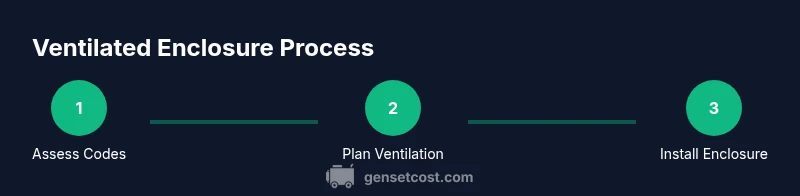
Assess codes and determine enclosure viability
Review local codes and the generator manual to determine whether a cover can be used. Evaluate whether ventilation and clearance can be achieved with a vented enclosure rather than a generic cover. This step sets the foundation for a safe installation.
Tip: Consult the local building department early to avoid rework. - 2
Measure site for required clearances
Use a measuring tape to confirm required distances to walls, doors, and windows as specified by the manufacturer. Document these distances to ensure they stay consistent through installation.
Tip: Mark clearance lines on the pad with chalk or tape for accuracy. - 3
Select a certified ventilated enclosure
Choose an enclosure designed for generator exhaust and heat, with integrated ventilation and weatherproofing. Do not improvise with a standard outdoor shelter, which can trap heat and fumes.
Tip: Verify that the enclosure has proofed intake/exhaust paths and complies with local codes. - 4
Install exhaust routing away from occupants
Run the exhaust duct away from doors, windows, and air intakes. Ensure the path remains clear of snow, leaves, and debris and that there is a path for natural convection when the unit cools.
Tip: Use a weatherproof, corrosion-resistant duct and seal joints properly. - 5
Place generator on a solid, weather-protected pad
Site the generator on a stable pad that is level and raised to prevent water intrusion. Ensure the pad remains dry and accessible for maintenance tasks.
Tip: Elevate slightly to prevent pooling around base bolts. - 6
Secure fuel lines and electrical connections
Follow manufacturer instructions to connect fuel and electrical systems safely. Have a licensed electrician verify that all wiring and transfer switches meet code requirements.
Tip: Never modify factory wiring; use proper strain relief and protective conduits. - 7
Test ventilation and perform safety checks
Run the generator briefly to observe airflow and check for visible exhaust issues, unusual noises, and heat buildup. Use CO detectors to verify safe levels near living spaces.
Tip: Keep a close eye on temperature indicators during initial runs. - 8
Document maintenance plan and signage
Post a simple maintenance checklist and safety signage in the installation area. Schedule regular inspections of vents, seals, and fuel connections.
Tip: Set reminders for quarterly vent cleaning and annual professional service. - 9
Educate occupants and rehearse safe operation
Inform household members about safe operation, CO hazards, and immediate steps if fumes or heat are detected. Conduct periodic drills to reinforce safety habits.
Tip: Keep CO detectors active and test monthly.
People Also Ask
Is it safe to run a generator with a cover on?
Generally not safe unless the cover is part of a certified, ventilated enclosure designed for generator exhaust and heat. Without proper ventilation, overheating and CO buildup are major risks. Always follow the manufacturer’s guidelines and local codes.
Running with a cover is risky unless you use a certified ventilated enclosure and follow the code guidelines.
What kind of cover is acceptable?
Only a cover that is specifically designed as a ventilated generator enclosure and approved by the manufacturer and local authorities. Avoid generic weather covers that block airflow.
Only use a manufacturer-approved ventilated enclosure, not a generic weather cover.
How much clearance is required around the generator?
Clearance requirements vary by model, but typical guidelines call for several inches to a few feet on every side, with exhaust directed away from doors and windows. Check the manual and local codes.
Follow the model’s clearance specs and local codes; keep exhaust away from living spaces.
Do manufacturers allow covers for enclosed units?
Some units are designed for enclosures with ventilation and are allowed when installed per the manufacturer’s instructions. Always verify with the manual and a licensed installer.
Enclosures are allowed only if they’re manufacturer-approved and correctly installed.
What are signs of overheating or CO buildup?
Excessive heat on the exterior housing, odd smells, or alarms from CO detectors indicate potential problems. If you notice any, stop operation and inspect ventilation paths immediately.
If you smell heat or see CO readings rising, stop and check ventilation now.
Should I hire a professional for enclosure installation?
Yes. A licensed electrician or generator installer can ensure vent paths, wiring, and transfer switches comply with codes and safety practices. This reduces risk and protects warranty coverage.
A professional should confirm venting, wiring, and code compliance.
Watch Video
Key Takeaways
- Ensure ventilation is non-negotiable with any cover.
- Choose a purpose-built vented enclosure rather than a generic cover.
- Follow local codes and obtain permits when required.
- Regularly inspect vents and perform routine CO monitoring.
- Consult a licensed professional for installation and final approvals.