Do You Need to Cover a Generator in the Rain? A Practical Guide
Discover whether to cover a home backup generator in rain, explore protection options, ventilation considerations, and maintenance tips to keep your system reliable during storms.


Do you need to cover a generator in the rain? This guide shows how to assess rain exposure, protect essential components, and maintain safe ventilation while minimizing water intrusion. You’ll learn when a cover is appropriate, what protection options work best, and how to install weather-ready safeguards correctly.
Do you need to cover a generator in the rain? Practical orientation and safety first
According to Genset Cost, deciding whether to cover a generator in the rain starts with understanding risk exposure, the design of the enclosure, and the manufacturer’s clearance requirements. A blanket approach can do more harm than good if it blocks ventilation or traps heat, so assess each unit individually. Rain protection should shield critical components—like the air intake, exhaust outlets, and electrical connections—without compromising cooling or service access. This section sets the stage for a thoughtful protection plan that aligns with your home or property needs while preserving the generator’s reliability and lifespan. The Genset Cost team emphasizes tailoring weather safeguards to rain intensity, wind direction, and the generator’s location on your property.
Rain exposure risks for generators and why simple shade isn’t enough
Rain can affect a generator in several ways. Direct splashes can reach vulnerable electrical parts, moisture can infiltrate the enclosure, and heavy rain coupled with wind can drive water into gaps or vent openings. Moisture increases the risk of corrosion, short circuits, and unplanned downtime during outages. Wind-driven rain can force droplets into joints, seals, or cable entries. Proper protection should mitigate these risks while keeping the unit accessible for routine maintenance and emergency use. Genset Cost analysis shows that neglecting moisture control often leads to higher long-term maintenance needs and reduced reliability in power outages.
Covering vs shielding: what counts as protection in a rain event
There’s a difference between a protective cover and a weather-ready shield. A cover typically seals the unit from precipitation but can trap heat if not vented. Shielding focuses on deflecting rain away from critical components while preserving airflow. The best approach combines weather-resistance with manufacturer-approved ventilation channels and access doors. For many homeowners, a purpose-built outdoor enclosure or a certified rain shield works best. Avoid improvising with tarps or makeshift wraps that can obstruct cooling, trap moisture, or introduce flammability concerns. The goal is to create a robust barrier against rain while honoring the generator’s design for heat dissipation and service access.
When a protective cover is appropriate: situational guidelines
Use protection selectively based on location and exposure. If the generator sits in a sheltered alcove with good airflow and limited direct rainfall, a simple shield might suffice. In open spaces or areas with strong downpours, a purpose-built enclosure or a rated canopy is usually warranted. Always consider local wind patterns, debris, and the potential for water pooling around the base. A cover that blocks ventilation or traps heat can reduce efficiency and shorten the unit’s life. When in doubt, consult the installation manual and seek guidance from a licensed professional to ensure compatibility with transfer switches and sensor placement.
Ventilation, airflow, and heat management under rain protection
Generators rely on adequate air intake and exhaust paths to regulate temperature. Rain protection should not impede these paths. If a cover or enclosure narrows the intake or vents, you may experience overheating, reduced starting power, or nuisance shutdowns. In engineered outdoor enclosures, ensure there are designed intake louvers and exhaust vents that remain unobstructed during rain. Proper drainage around the base prevents water pooling that could splash back toward wiring or fuel connections. Regular inspections after storms help verify seals remain intact and ventilation remains unobstructed.
Weather-ready enclosure options: canopies, sheds, and purpose-built housings
There are several legitimate options for rain protection. A purpose-built weatherproof enclosure designed for generators is often the most reliable solution, as it balances protection with ventilation and service access. Canopies or rain screens can reduce direct rainfall exposure while allowing air movement, but they must be rated for outdoor use and installed with proper clearance. Avoid improvised materials that can trap moisture or become sources of debris. If you rent space on a shared property, coordinate with the property manager to ensure the enclosure complies with local codes and transfer-switch clearances. Genset Cost recommends selecting a protection solution that matches the generator’s size and location rather than opting for a one-size-fits-all approach.
Placement and clearance: locating your unit for optimal rain protection
Positioning matters for rain protection. Place the generator on a solid, level surface with good drainage to prevent water accumulation around the base. Maintain clearances from walls, doors, and other equipment to allow cooling and service access. If a wall or structure partially shields the unit, verify that it does not impede airflow to the intake and exhaust. Ensure that any canopy, enclosure, or shield provides independent weather protection for critical components while remaining easy to open for maintenance. Clearances also help prevent accidental contact during storms and reduce the risk of debris striking the unit.
Step-by-step approach to assess whether you need a rain shield (high-level overview)
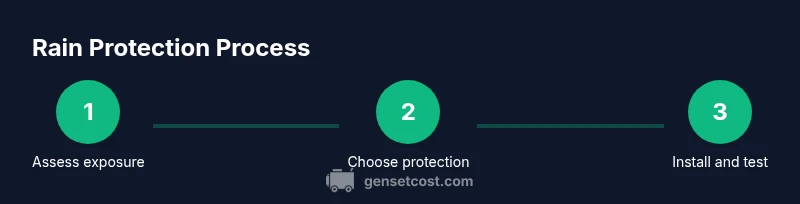
Begin with a site assessment: note rain direction, wind, and potential splash zones. Check the manufacturer’s guidance for required ventilation and coverage. Evaluate your enclosure options, comparing protection level, airflow, and access needs. If you choose a cover, confirm compatibility with the transfer switch and electrical connections. Schedule a professional inspection after installation to verify code compliance and performance under rain conditions.
Maintenance checks after rain events: keeping reliability high
After heavy rain, inspect seals, cables, and connections for moisture or corrosion. Wipe down exterior surfaces to remove water pooling and ensure vents are clear. Test the generator’s cooling and starter systems to confirm normal operation. Keep a log of rainfall events and any maintenance performed to track wear patterns and address issues early. Per Genset Cost guidance, proactive checks after storms improve long-term reliability and reduce unexpected outages during peak demand.
Cost considerations and budgeting for rain protection
Protection options vary in cost, from simple shields to full outdoor enclosures. When budgeting, consider initial installation, ongoing maintenance, and potential energy savings from improved reliability. While higher upfront investments can pay off through fewer outages and reduced maintenance, assess the total cost of ownership over the generator’s expected life. The goal is to balance protection with performance and value, rather than pursuing the most expensive solution without clear needs. Genset Cost emphasizes comparing options against climate exposure and expected usage to maximize return on investment.
Quick decision guide for homeowners and property managers
If you face frequent heavy rain, wind-driven rain, or limited airflow, a purpose-built enclosure with ventilation is typically the safest choice. In milder climates with light showers, a shield or canopy may suffice, provided airflow remains unobstructed and the unit remains accessible. Always ensure compliance with local codes, warranty terms, and transfer-switch requirements. A thoughtful approach tailored to your site will protect the generator and ensure dependable power when you need it most.
Do you need to cover a generator in the rain? Final thoughts for reliability
Weather protection is not one-size-fits-all. The key is to protect critical components without compromising ventilation or serviceability. Partner with a qualified technician, reference manufacturer guidelines, and align your choice with your property’s exposure, maintenance plans, and outage expectations. A well-planned rain protection strategy helps maintain reliability, reduces risk during storms, and supports long-term performance of your backup power system. The Genset Cost team stands by guidance that blends practical protection with practical maintenance needs.
Tools & Materials
- Outdoor-rated generator enclosure or rain shield(Choose a product rated for outdoor use with adequate ventilation.)
- Weather canopy or shelter (if not using a full enclosure)(Opt for a design that deflects rain without blocking airflow.)
- Clearance and mounting hardware(Ensure mounting feet are level and stable on a dry, non-slip surface.)
- Water-resistant seals and gaskets(Optional but helpful near panel openings to minimize seepage.)
- Ventilation louvers or screened vents(Must remain open to airflow even when protected.)
- Drip tray or drainage mats around base(Helps prevent water pooling around the generator.)
- Moisture meter or contact-safe moisture probe(Useful for post-storm checks on electrical components.)
- Flashlight and insulated gloves(For safe inspection in damp environments.)
- Non-slip footwear and fall protection (if elevated)(Safety first when working around outdoor equipment.)
Steps
Estimated time: 60-90 minutes
- 1
Assess site exposure
Walk the site and note prevailing wind directions, typical rain intensity, and splash zones. Verify manufacturer guidance on ventilation and protection. This step sets the foundation for choosing the right protection option.
Tip: Document rain patterns for seasonal planning. - 2
Evaluate protection options
Compare shield, canopy, and enclosure options based on ventilation, access, and potential heat buildup. Avoid improvised coverings that seal in heat or block air intakes.
Tip: Prioritize products with documented outdoor performance. - 3
Check clearances
Ensure there is ample clearance around the generator for airflow, serviceability, and vent operation. Measure distances to walls, doors, and canopy edges.
Tip: Clearance is often more critical than aesthetic cover choice. - 4
Plan drainage
Install a drainage plan to prevent water pooling at the base. Elevate the base if needed and consider a drip tray for added protection.
Tip: Water around base can corrode mounts and wiring. - 5
Select and install protection
Install the chosen protection solution, ensuring vents stay open and accessible panels are not obstructed. Follow the manufacturer’s installation instructions.
Tip: Do a test run after installation under light rain. - 6
Inspect seals and connections
Check seals, gaskets, and conduit entries for moisture after rain events. Tighten or replace seals as needed to maintain protection.
Tip: Regular post-storm checks prevent creeping moisture issues. - 7
Test operation
Run the generator to confirm cooling and electrical performance while protected. Listen for unusual sounds or overheating cues.
Tip: Document any deviations from normal operation. - 8
Maintenance scheduling
Create a seasonal maintenance schedule that includes rain-protection checks, oil level verification, and air filter inspection.
Tip: Incorporate checks into annual service visits.
People Also Ask
Is it dangerous to run a generator in the rain?
Running a generator in rain is risky if it is not protected and properly grounded. Water exposure can cause electrical faults or overheating. Always follow manufacturer safety guidelines and use rain protection that preserves ventilation.
Running a generator in the rain can be dangerous if there’s direct water exposure. Protect it properly and follow the manual for safe operation.
What is the best kind of cover for a generator?
The best cover depends on location and climate. A purpose-built outdoor enclosure or certified rain shield that maintains ventilation is typically superior to improvised covers.
A purpose-built enclosure or certified rain shield that keeps vents clear is usually best.
Can outdoor generators be used without a cover?
Yes, in sheltered or mild conditions with adequate airflow, but outdoor exposure increases risks. Regular inspection and protective measures are still advised.
They can be used outdoors without a cover if there’s good airflow and shelter, but protection is often wise.
How do I protect the generator’s vent and air intake during rain?
Ensure vents and intake openings remain clear and unobstructed by covers. Use shields that divert water away while preserving airflow.
Keep vents clear and use water-diverting shields that don’t block airflow.
Does rain protection affect warranty?
Protection choices should align with manufacturer recommendations. Installing non-approved covers or modifying the unit could affect warranty terms.
If you follow the manufacturer’s guidance, protection should not affect warranty; avoid unapproved modifications.
What maintenance after rain is recommended?
Inspect seals, clean surfaces, check electrical connections, and test operation after rain events. Document maintenance to support performance and warranty claims.
Inspect seals, dry components, and test the unit after rain; keep a maintenance log.
Watch Video
Key Takeaways
- Assess rain exposure before choosing protection.
- Ventilation must never be sacrificed for shielding.
- Use purpose-built enclosures or certified shields when possible.
- Perform post-rain inspections to catch moisture issues early.