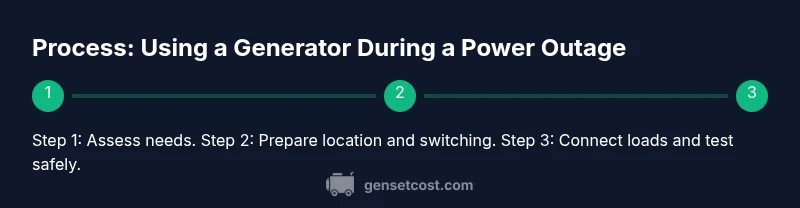
Can You Use a Generator If Your Power Is Out? A Practical Guide
Learn how to safely use a generator during an outage, size loads, choose between portable and standby options, and follow essential safety steps to keep your home powered and secure.


Yes—when the power goes out, you can use a generator safely, but only with proper safety and wiring. A transfer switch or interlock is essential to avoid backfeeding the grid, and all runs should be outdoors with CO detectors active. Identify essential loads, ensure fuel and maintenance are ready, and follow local codes for safe operation.
Can you use a generator during a power outage? Safety and feasibility
During a power outage, many households rely on a generator to keep essential functions running, such as refrigeration, heating, lighting, and medical devices. According to Genset Cost, most homeowners can safely use a generator during an outage when they follow structured safety protocols and correct installation practices. The core idea is to prevent backfeeding into the utility grid, avoid carbon monoxide buildup, and maintain safe fuel handling. Before you start, verify that your outage requires temporary power and determine which circuits you truly need to energize. Choose equipment that matches your loads, and plan to run only outdoor equipment and cords that are rated for outdoor use. Set up a clear, outdoor location with at least 20 feet of clearance from doors, windows, and vents. Make sure everyone in the household understands not to touch the generator while it is running, and never operate it inside a garage or enclosed space. Proper grounding and a working CO detector are essential components of safe operation.
Generator types: portable vs standby and typical use cases
Portable generators are versatile, affordable, and useful for short outages or remote locations. Standby generators are permanently installed and tied to your electrical system through a transfer switch, offering automatic power restoration within seconds of an outage. For homes with high energy demands or frequent outages, standby units provide convenience and reliability. When choosing, consider your essential loads, the reliability of your fuel supply, and the space you have for installation. A portable model often requires manual startup and a temporary extension cord setup, while a standby unit requires professional installation, a dedicated transfer switch, and regular maintenance plans.
Essential safety precautions before you start
Safety should come first. Always run generators outdoors in a well-ventilated area to prevent carbon monoxide buildup. Install and test CO detectors, and keep a fire extinguisher accessible. Never connect a generator directly to your home's wiring without a transfer switch or interlock kit, as backfeeding can endanger utility workers and household members. Read the manufacturer’s manual for start-up procedures, maintenance intervals, and fuel safety. Lastly, ensure you have a clear dump path for exhaust and stable grounding for any metal components.
Sizing your load before outages
Sizing is about identifying which appliances and circuits you need to power during an outage. Start with non-negotiables: refrigeration, lights, essential outlets, sump pumps, and climate control in the cold or heat. Create a simple list of loads and estimate running hours to avoid overstraining the generator. Use a load calculator or consult the generator’s manual to translate watts into practical circuit counts. Remember, under-sizing can cause nuisance trips or overloads, while over-sizing increases upfront cost and fuel consumption. Planning ahead with a realistic load map helps you avoid guesswork when the power goes out.
The role of a transfer switch and interlock kits
A transfer switch isolates your home from the grid and routes power from the generator to selected circuits. This prevents backfeed and protects utility workers. Interlock kits offer a mechanical solution that prevents both the main breaker and generator breaker from being closed at the same time. Choose the option that best fits your panel and local codes. Professional installation is often required for a safe, compliant setup, especially in larger homes with multiple circuits.
Wiring, backfeeding, and your home's electrical panel
Backfeeding the grid is dangerous and illegal in many jurisdictions. A proper transfer switch or interlock prevents reverse power flow and protects both workers and occupants. When wiring, label circuits clearly and keep generator connections outside the home. Use heavy-duty, outdoor-rated cords, and never plug a generator into a standard household outlet or a wall outlet via a jumper cord. If you are unsure about wiring methods or panel compatibility, hire a licensed electrician.
Fuel types, storage, and switching between fuels
Most residential generators run on gasoline, propane, or natural gas. Propane and natural gas offer cleaner storage options but may limit portability. Never store gasoline indoors, and use approved fuel containers in a safe, ventilated area. If you switch fuels or fuel sources, ensure compatibility with the generator’s carburetor and engine design. Regularly inspect fuel lines and replace any damaged components to minimize the risk of leaks or fire.
Operating guidelines during an outage
Turn on the generator only after you’ve confirmed outdoor placement and safe connections. Start with essential loads first, then gradually add other circuits. Avoid running multiple high-draw devices simultaneously. Keep the area well-ventilated, monitor fuel levels, and never leave the generator unattended for extended periods. When power is restored, shut down the generator properly, allow it to cool, and disconnect loads before restoring utility power to prevent surges.
Maintenance, testing, and maintenance schedule
Regular maintenance extends the life of a generator and reduces the chance of failure during an outage. Keep a routine that includes oil changes, air filter cleaning, spark plug inspection, and battery checks for electric starters. Test run the generator monthly in a controlled setting to confirm operation, but never run indoors. Maintain a log of service dates and fuel quality, and replace old fuel to prevent gum buildup in the carburetor.
Costs, budgeting, and long-term considerations
Costs for generators vary by type and capacity. Portable units tend to be more affordable upfront, while standby systems involve higher installation and equipment costs. Budget for maintenance, fuel, and potential professional installation or transfer switch upgrades. Consider long-term cost-saving strategies such as choosing an energy-efficient model, scheduling regular maintenance, and planning for fuel storage and safety compliance.
Common mistakes to avoid and when to call a pro
Avoid common missteps like skipping a load assessment, running cords through doors or windows, and attempting to backfeed without a proper transfer switch. Always consult a licensed electrician for panel work and permit requirements. If you’re unsure about local codes, or if your panel is older or more complex, call a qualified professional to install a safe, compliant system.
Tools & Materials
- Portable generator(Gasoline, propane, or dual-fuel; outdoor use only)
- Automatic transfer switch (ATS) or interlock kit(Professional installation recommended for safety and code compliance)
- Heavy-duty outdoor-rated extension cords(10- or 12-gauge; keep cords dry and away from traffic)
- CO detectors with battery backup(Place detectors near sleeping areas and on each floor)
- Fire extinguisher (ABC type)(Keep within easy reach of the generator area)
- Approved fuel containers(Store away from ignition sources; handle fuels carefully)
- Basic hand tools (wrench, screwdriver, pliers)(Useful for panel access and connections)
- Manuals for generator and panel(Keep for reference on start-up and maintenance)
- Grounding equipment (if applicable)(Follow manufacturer guidance and local codes)
Steps
Estimated time: Total time: 2-6 hours (depends on system complexity and load)
- 1
Assess outage and loads
Confirm the outage scope and list essential circuits to power. Prioritize refrigerators, lights, heating or cooling, medical devices, and sump pumps. This helps prevent overloading the generator from the start.
Tip: Create a quick one-page load map before you begin. - 2
Choose the right system
Decide between a portable generator with an external transfer switch or a permanently installed standby system. Consider your home’s load, space, and climate.
Tip: If unsure, consider a professional assessment before purchasing. - 3
Select a safe outdoor location
Place the generator outdoors on a stable surface, away from doors, windows, and vents. Ensure 20 feet of clearance and shelter from rain while allowing exhaust to disperse.
Tip: Never operate indoors or in enclosed spaces. - 4
Install required switching
Install the transfer switch or interlock kit according to the manufacturer and local codes. This is critical to prevent backfeeding into the grid.
Tip: Hire a licensed electrician if you’re not trained in electrical panels. - 5
Connect loads and test
Connect essential loads through the appropriate circuits. Start the generator, verify voltage on each circuit, and avoid overloading the system by adding loads gradually.
Tip: Test a small load first to confirm stable power. - 6
Monitor safety during operation
Keep CO detectors active, monitor fuel levels, and ensure clear weather conditions for operation. Never leave the generator running unattended for long periods.
Tip: Have a plan to shut down properly if you smell fuel or hear unusual noises. - 7
After power returns, shutdown correctly
Turn off nonessential loads, disconnect the generator, and then restore utility power. Let the generator cool before refueling or storing.
Tip: Do not refuel while the engine is hot. - 8
Maintenance and inspection
Schedule regular inspections, oil changes, air filter checks, and battery tests. Replace old parts per the manufacturer’s timeline.
Tip: Keep a maintenance log for reliability.
People Also Ask
What is backfeeding and why is it dangerous?
Backfeeding occurs when generator power flows back onto the utility line, posing serious risk to utility workers and occupants. A transfer switch or interlock ensures power is isolated from the grid. Always install and use proper switching devices and follow local safety codes.
Backfeeding is when generator power goes back onto the power lines. It can injure utility workers and people nearby, so use a transfer switch and follow safety codes.
Do I need a permit to install a generator?
Permit requirements vary by region. In many areas, a licensed electrician is needed for panel work and transfer switch installation. Check with your local building department before starting.
Permits vary by location. Check with your local building department and consider hiring a licensed electrician for panel work.
Can I run a generator indoors?
No. Generators must be used outdoors in a well-ventilated area to avoid carbon monoxide poisoning. Always place detectors inside the home and keep doors and windows closed to prevent CO intrusion from malfunctioning exhaust.
Never run a generator indoors. Use it outside and keep detectors inside to monitor carbon monoxide.
How do I calculate my essential loads?
List essential devices, estimate their running time, and match them to a generator’s wattage rating. Use a simple load calculator or the manufacturer’s guidelines and add a safety margin for startup surges.
Make a list of essential devices, estimate runtimes, and match to the generator’s power rating.
Portable vs standby: which should I buy?
Portable generators are affordable and flexible for short outages, but require manual startup and transfer switching. Standby generators are fixed installations with automatic power restoration but higher upfront costs and professional installation.
Portables are cheaper but manual; standbys are automatic but pricier and require installation.
How often should I test my generator?
Test the unit regularly according to the manufacturer’s recommendation. Periodic testing under load helps ensure reliability when you actually need it.
Test your generator periodically, especially under load, to ensure it works when needed.
Watch Video
Key Takeaways
- Prioritize safety and code compliance first.
- Choose the right generator type based on loads and outages.
- Use a transfer switch or interlock to prevent backfeeding.
- Plan loads carefully to avoid overloads and outages.
- Regular maintenance improves reliability and safety.