Generator Where to Buy: Practical Guidance for Home Backup
Find where to buy a generator for home backup. Compare local dealers, online retailers, and rental options. Learn warranties, installation, and cost considerations to make a smart purchase.


The best place to buy a generator depends on your priorities. For hands-on support, local HVAC or electrical dealers and home improvement stores offer in-person guidance, installation options, and warranty coverage. Online retailers provide broader selection and easier comparisons but require diligence on seller credibility and return policies. Always verify model specifications, warranty terms, and compatibility with transfer switches before purchasing.
Evaluating Your Backup Needs
Before you start hunting for a generator where to buy, map out your power needs. Start with calculating your essential circuits, such as refrigeration, heating, well pumps, and lighting. Use a load calculator or a simple worksheet to estimate continuous wattage and startup surges. If you’re unsure, plan for a unit a bit larger than your current peak to accommodate appliances added later. Decide whether you want a portable unit for selective outages or a standby system that auto-starts during longer outages. Also weigh fuel types and local availability: propane, natural gas, and gasoline each have different refueling, storage, and maintenance implications. As homeowners and property managers, consider future projects—an attached workshop, a seasonal rental unit, or a future home expansion—and how that affects sizing and budget. With goals clear, you can compare models more confidently and avoid overspending or under-protecting essential loads.
Where to Buy Generators (generator where to buy)
When you’re deciding generator where to buy, your channels matter almost as much as the model you choose. Local dealers and electrical contractors often provide in-person guidance, installation quotes, and post-purchase support. Big-box retailers let you inspect the unit and walk away with it the same day, though selection may be narrower and stock varies. Online retailers offer broad catalogs and side-by-side comparisons, but you’ll rely on photos, reviews, and seller credibility. Manufacturer-direct options can deliver strong warranties and customizing options, though you may encounter longer lead times. Finally, rental options can satisfy short-term needs without ownership, useful for events or temporary renovations. Each channel has tradeoffs in selection, service, and price. When you search for generator where to buy, map your priorities to these channels: hands-on service, bulk discounts, or flexible ownership terms.
In-Store Buying: What to Expect
Shopping in person lets you inspect build quality, assess noise levels, and potentially test-run a unit. Ask about ground-fault protection, transfer switch compatibility, and available accessories like fuel stabilizers and battery chargers. A knowledgeable associate can help you verify that the selected model matches your load estimate and can be wired to your existing panel. Be ready to provide details about your electrical service, garage storage, and the space for fuel and ventilation. Compare warranty terms, service networks, and return policies before you commit. In-store purchases also allow you to review installation options and scheduling. If you plan to have a pro handle installation, collect quotes from multiple local providers and verify that they include proper permit handling and transfer-switch installation. Finally, confirm after-sales support—whether the vendor offers maintenance packages, routine inspections, or emergency service during outages.
Online Shopping: What to Expect
Online shopping expands your range of models and features, making it easier to compare reputations, warranties, and support options. Read multiple reviews, confirm seller legitimacy, and check whether the listing includes complete technical specifications, fuel type, and noise ratings. Watch for hidden costs such as shipping, handling, or import duties, and verify whether required accessories are included or sold separately. If you plan to install the unit yourself, ensure you have the right tools and knowledge, but otherwise factor in professional installation costs. Confirm warranty terms and how service is handled in your area—some manufacturers require authorized installers for warranty coverage. Finally, check the return policy and what constitutes a valid return if you change your mind after delivery. Avoid impulse purchases; take time to shortlist models that meet your power needs and budget goals.
Dealer vs Distributor vs Marketplace: A Quick Guide
Understanding the difference helps you pick a reliable source for generator where to buy. A dealer or distributor typically offers factory-authorized products, trained technicians, and local service networks. Marketplaces can broaden options and price comparisons, but you should carefully verify seller authenticity and warranty transferability. Direct-from-manufacturer programs may provide the strongest warranties and support, but lead times can be longer. In all cases, request model-specific documentation, confirm fuel compatibility, and verify that the unit can integrate with a transfer switch and your electrical panel. When possible, seek a retailer that provides installation estimates, acceptance testing, and documented aftercare.
Sizing, Power, and Features to Look For
To avoid overbuying or under-protecting, focus on three pillars: wattage, stability, and autonomy. Match continuous wattage to your essential loads and ensure surge capacity covers startup for appliances such as refrigerators and pumps. Look for inverter technology for cleaner power and quieter operation, durable enclosures, and appropriate noise ratings. Consider integrated features like automatic start, remote monitoring, and weather-resistant design, especially in areas with harsh winters or high humidity. Evaluate fuel options, storage requirements, and the availability of fuel in your region. Also check efficiency and projected running costs, as these will influence your long-term budget. Finally, review documentation on calibration, maintenance intervals, and parts availability to support a longer life.
Financing, Warranties, and Returns
Price is only part of the equation. Examine warranty length and what it covers—mechanical breakdown, labor, and battery replacement if applicable. Assess whether extended warranty or service plans are worth the extra cost for your usage pattern and climate. Compare financing options, including interest rates, terms, and any deferred payment offers. Read the fine print on return windows, restocking fees, and whether items must be unopened or unused to qualify. If you buy through a local dealer, ask about service agreements that include regular maintenance and emergency repairs. If you purchase online, verify whether service technicians or third-party installers are authorized to complete warranty work. Keeping thorough records and receipts will simplify future warranty claims and reminders for maintenance.
After-Purchase Support: Installation, Transfer Switch, and Service
Purchase and installation are just the beginning. For a safe and compliant setup, use a licensed electrician or certified installer, especially when tying into your main panel or a transfer switch. Discuss transfer-switch compatibility and whether an automatic standby system is eligible for your service panel. Confirm permits, inspection requirements, and utility coordination if needed. Ask about training on operation, generator maintenance, and what to do during outages. Maintain a service schedule and ensure that your vendor can provide parts and routine maintenance. Consider setting up preventative checkups and test runs so you know your system will operate when needed. Finally, clarify escalation paths for outages and what to expect for parts replacement during the life of the generator.
Quick-start Buying Checklist
Define your power needs and load priorities. Decide on in-store, online, or hybrid purchasing. Check warranties, labor coverage, and service networks. Validate transfer-switch compatibility and installation requirements. Compare total cost of ownership, including fuel, maintenance, and running costs. Reserve time for professional installation quotes and permits if required. Save all model numbers, serials, and vendor contacts for future support.
Buying channels for generators: pros, cons, and availability
| Buying Channel | Pros | Cons | Typical Availability |
|---|---|---|---|
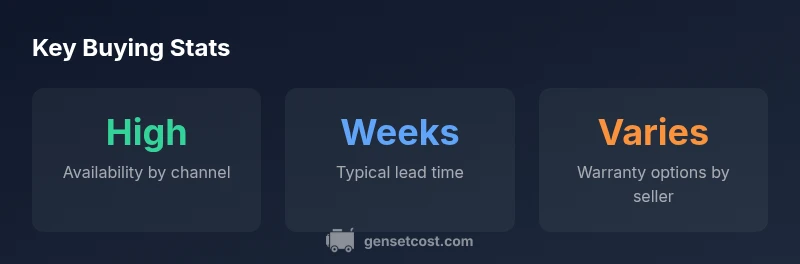
| Local Dealer/ Distributor | In-person guidance, installation options, service network | Limited stock, higher prices, scheduling constraints | High |
| Big-box/Home Improvement Stores | Convenience, immediate pickup | Limited model variety, variable stock | Medium |
| Online Retailers/Marketplaces | Wide selection, easy price comparison | Shipping costs, returns, warranty transfer complexities | High |
| Manufacturer Direct | Full warranties, direct support | Longer lead times, limited in-person service | Medium |
| Rental Options | No upfront ownership, flexible terms | Model availability limited, ongoing costs | Medium |
People Also Ask
Where is the best place to buy a generator for home backup?
The best place depends on your needs. Local dealers offer installation and service; online retailers provide broader selection and price comparisons. For long-term support, choose a vendor with a strong service network and clear warranty terms.
Best place depends on service needs and budget. Local dealers add installation and service; online options give more models to compare.
Should I buy online or in-store?
Online buying is great for comparison shopping and variety, but you lose hands-on assessment and immediate support. In-store purchases let you inspect noise, build quality, and test options, plus immediate warranty checks.
Online is convenient for comparison; in-store helps you feel and test the unit before buying.
What warranties should I expect?
Most generators come with a standard manufacturer warranty. Consider extended warranty options based on usage, climate, and maintenance plans. Verify what is covered and for how long, and whether service must be performed by authorized providers.
Expect a standard warranty with optional extensions; check coverage and authorized service requirements.
How do I verify compatibility with a transfer switch?
Check the transfer switch rating (amps and minimum voltage), panel compatibility, and whether the generator supports automatic starting. Ask the seller for documentation showing tested integration with your electrical system.
Look at switch ratings, panel compatibility, and auto-start features; get documentation from the seller.
Is renting a generator a good option?
Renting works well for short-term needs or temporary outages, but it often carries higher daily costs and limited model availability. For long-term outages or continuous use, owning is usually more cost-effective.
Renting is handy for short-term needs; owning is typically better for long-term use.
“When you decide where to buy, focus on model compatibility, clear warranty terms, and a local service network. This approach minimizes total cost and downtime.”
Key Takeaways
- Define your power needs before shopping.
- Choose the buying channel that matches your service expectations.
- Always verify warranty and transfer-switch compatibility.
- Compare total cost of ownership, not just upfront price.
- Prioritize reputable vendors with strong aftercare.