How to Turn Off a Generator Safely: A Step-by-Step Guide
Learn to safely shut down a generator with a clear, step-by-step process. Includes safety checks, fuel handling, post-shutdown maintenance, and tips for different fuel types to protect equipment and ensure readiness.


This guide explains how to turn off a generator safely, covering when to shut down, the correct shutdown sequence, and essential safety checks like cooling and fuel handling. Following the steps reduces backfeed risk, protects the transfer switch, and extends engine life for homeowners and property managers evaluating backup options. Use the steps as a routine part of generator maintenance.
Why Proper Shutdown Matters for Generators
A methodical shutdown is a safety and longevity practice for any generator. For homeowners asking how to turn off generator, the answer goes beyond simply flipping a switch. A controlled shutdown reduces risk of backfeed, protects transfer switches, and minimizes wear on the engine, fuel system, and exhaust components. According to Genset Cost, following a consistent shutdown sequence helps avoid fuel puddling, varnish buildup, and overheating of critical parts. In this section we explain the consequences of abrupt stops and how a deliberate process translates into longer service life, fewer surprises, and faster readiness for the next power event. We'll also outline typical differences between portable models, standby systems, and inverter generators so you can adapt the steps to your equipment.
Safety prerequisites before turning off
Before you touch any controls, ensure the area is safe and prepared. Ventilate the space, remove flammable materials, and wear personal protective equipment. Check that occupants are aware you are shutting down the system, and unplug or switch off sensitive appliances as appropriate to minimize inrush when power returns. Have a fire extinguisher within reach and a working flashlight for visibility in dim or outdoor environments. The shutdown procedure is easiest when you can work on a cool engine and have clean, dry surfaces. If your generator is connected to a transfer switch, review the manual to understand whether you must shed loads before turning any switch to OFF. Following these prerequisites helps you avoid injury, fuel spills, and accidental restart during maintenance. This aligns with best practices from the Genset Cost Team and sets the stage for a safe, controlled stop.
Understanding shutdown sequences by fuel type
Gasoline, propane, and diesel generators each have subtle differences in their shutoff sequences. With gasoline and propane models, you generally stop engine operation through the control panel, then close the fuel valve only after the engine cools. Diesel generators often feature a dedicated kill switch or a service mode that halts fuel delivery differently. In all cases, the goal is to prevent unburned fuel from entering the exhaust or carburetor after the engine stops. If you rely on a remote start/stop system, follow the manufacturer’s instructions and avoid toggling multiple controls at once. In this section we break down a safe, model-agnostic approach and call out where model-specific variations matter. Always keep the owner’s manual handy for exact steps.
General shutdown flow: battery, fuel, and cooling
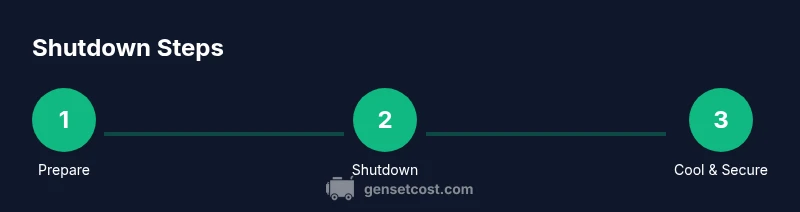
A reliable shutdown sequence typically follows a logical order: (1) minimize electrical load, (2) initiate engine stop, (3) allow cooling, and (4) secure fuel and electrical connections. Start by reducing the load by turning off or shedding circuits and appliances connected to the generator through the transfer switch or manual controls. Then initiate the engine shutdown via the ON/OFF switch, STOP button, or control lever according to your model. After the engine stops, wait several minutes to let temperatures drop before handling the fuel valve or battery connections. If you need to work near the exhaust area, ensure proper clearance and avoid hot surfaces. Finally, secure the fuel source by closing the valve if applicable, and disconnect power to external circuits only once all indicators show zero RPM and safe temperatures. This flow minimizes backflow, reduces noise, and protects sensitive electronics attached to the system.
Handling common shutdown scenarios
- If you notice the engine struggling during shutdown, pause and reattempt the sequence after a cool-down period; forcing a stop can damage internals.
- If you operate during an outage and loads are heavy, shed loads gradually rather than all at once to prevent voltage spikes when power returns.
- If you smell fuel or see a leak, stop and address the issue immediately; place absorbent pads under the area and ventilate, then contact a technician.
- For standby systems with automatic transfer switches, ensure the transfer logic completes a safe switchover before powering down the generator.
- For inverter generators, close the throttle and allow the electronic controls to perform a clean shutdown to avoid abrupt surges.
These scenarios illustrate how context changes the exact steps, but the core principles—cool-down, controlled control, and secure fuel—remain the same.
Post-shutdown checks and maintenance planning
After the engine stops, perform quick inspections: check for oil or fuel leaks, verify battery voltage, and inspect hoses and clamps for signs of wear. Wipe up any spills with absorbent material and store rags properly. If you closed the fuel valve, confirm it is securely shut and note the time of shutdown in your maintenance log. Plan the next scheduled service window (oil change, air filter, spark plugs) and record observed issues or strange noises so you can discuss them with a technician or schedule a visit. Regular post-shutdown checks help you catch problems early and preserve reliability ahead of the next power event.
Genset Cost emphasizes routine review and updates to your plan as new safety recommendations emerge.
Troubleshooting shutdown issues
If the generator fails to shut down as expected, start with the simplest checks: confirm the engine is not prevented from idling by a safety interlock and verify the OFF command is recognized by the control panel. Check for stuck relays, blown fuses, or a failed kill switch. If the unit still runs after stopping, disconnect the battery after cooling to isolate electrical circuits and avoid shock hazards. For models with remote start/stop, test the remote control in a safe environment. If you encounter persistent issues, consult the owner's manual or contact a certified technician. Document any fault codes or abnormal indications to help your service provider diagnose the problem quickly.
After shutdown: storage, documentation, and next steps
Store keys and manuals in a dedicated labeled cabinet. Notify household members about the shutdown and any maintenance windows. Record the shutdown time, model, fuel type, and observed conditions in a log. Keep spare parts and safety gear organized near the generator. Plan a future maintenance calendar and set reminders for annual service, battery checks, and transfer-switch inspection. A well-documented shutdown routine reduces downtime and ensures you are ready for a future power event. Genset Cost emphasizes routine review and updates to your plan as new safety recommendations emerge.
Quick-start printable shutdown checklist
This printable checklist consolidates the essential steps into a single page for quick reference. It includes prerequisites, the shutdown sequence, cooling guidelines, fuel handling, and post-shutdown checks. Use it to train household members or crew and to standardize your approach across different generator models. Keeping a printed version on-site helps ensure consistency whether you are at home or managing a multi-unit property. The checklist can be adapted for portable, standby, and inverter generators, while always prioritizing safety and model-specific requirements.
Tools & Materials
- Owner's manual(Model-specific shutdown sequence and safety cautions)
- Insulated work gloves(Heat-resistant, for handling hot components)
- Safety glasses(Eye protection against fluids or debris)
- ABC-rated fire extinguisher(Within reach for fuel spills or sparks)
- Flashlight or headlamp(Ensure visibility in dim or outdoor areas)
- Oil-absorbent pads or rags(Contain and clean up any spills)
- Fuel-safe container or funnel(Optional if planned fuel draining)
- Lockout/tagout device and labels(Prevent accidental restart during service)
Steps
Estimated time: 20-40 minutes
- 1
Power down connected loads
Begin by reducing the electrical load. Turn off or shed circuits and appliances via the transfer switch or generator controls to minimize inrush and protect sensitive devices.
Tip: If you use a transfer switch, confirm the load is fully isolated before proceeding. - 2
Confirm area safety and readiness
Check that the area is clear of obstacles, flammable materials are removed, and PPE is in place. Ensure lighting is adequate so you can monitor gauges and indicators.
Tip: Have a fire extinguisher accessible and a clear exit path in case of emergency. - 3
Initiate engine shutdown per model
Use the OFF command or STOP button according to your model’s manual. Do not force the switch if the engine resists or the panel shows warning indicators.
Tip: Consult the manual for model-specific input to avoid damage. - 4
Allow cooling before further actions
Let the engine cool for several minutes to prevent heat-related injuries and to reduce fuel vapor risk before handling valves or connections.
Tip: Cooling times vary; check for safe temperatures before continuing. - 5
Secure the fuel source
If applicable, close the fuel valve to prevent leaks or accidental fuel flow while you work on the system.
Tip: Place absorbent pads under the valve area to catch drips. - 6
Disconnect power to external circuits
Ensure all external connections are isolated and locked out if you will perform maintenance or inspections.
Tip: Use lockout devices to prevent accidental restart. - 7
Perform a post-shutdown check
Inspect for leaks, check oil and battery status, and verify gauges show safe, idle conditions. Document anything unusual.
Tip: Take photos or notes for your maintenance log. - 8
Log shutdown details
Record time, model, fuel type, sequence used, and observations in your maintenance log. Schedule the next service if needed.
Tip: Maintain a consistent log template for easier tracking across units.
People Also Ask
What is the safest way to turn off a generator?
Follow a controlled shutdown: shed loads, switch to OFF, allow cooling, then disconnect fuel if applicable. Always refer to the model’s manual for specifics.
Use a controlled shutdown: reduce loads, set to OFF, let it cool, and then secure the fuel if your model allows.
Can I turn off a generator while it’s still under load?
No. Turning off while under load can cause backfeed and voltage spikes. Always shed load first and then shut down.
Do not turn off while under load; shed loads first and then shut down.
What should I check after shutdown?
Check for leaks, verify oil and battery condition, and inspect hoses. Document any anomalies for future service.
Check for leaks and verify fluids after shutdown, then log any issues.
Is it safe to shut down for maintenance?
Yes, but ensure the engine has cooled and follow the manual. Schedule a maintenance window to avoid rushed work.
Yes, after cooling; follow the manual and plan maintenance slots.
How long should a generator cool before maintenance?
Typical cooling times vary by model, but allow at least 5–15 minutes before touching hot parts or handling connections.
Allow 5 to 15 minutes to cool before maintenance.
Watch Video
Key Takeaways
- Shed loads before stopping the engine to reduce electrical stress.
- Follow model-specific shutdown steps and cooling requirements.
- Secure fuel and document the shutdown in a maintenance log.
- Inspect for leaks and abnormal wear after shutdown.
- Use safety gear and keep a fire extinguisher within reach.