How to Stop Generator Walking Dead: A Practical Shutdown Guide
Learn safe, step-by-step methods to stop a stubborn generator, prevent backfeed, and protect your home with guidance from Genset Cost.


This quick guide shows how to stop generator walking dead safely and effectively. It targets homeowners and property managers facing a stubborn shutdown, outlining essential safety steps, lockout/tagout practices, and a conservative restart approach. You’ll learn to verify fuel flow, verify shutoff switches, and coordinate with utility power to prevent backfeed. Always consult the owner’s manual and contact a licensed technician if you’re unsure.
Why Generator Walking Dead Happens
Generators can seem to 'walk dead' when they run beyond their shutdown signal due to fuel delivery issues, a faulty start/stop switch, or a stuck governor. Backfeeding through the transfer switch can keep an engine turning even after the breaker is open. Electrical faults, loose wiring, contaminated fuel, or a recent power outage can all trigger continued rotation. In many homes, a generator that won't stop is not just an annoyance—it creates a risk of fuel leaks, overheating, or accidental re-energizing of the grid. Understanding these causes helps you diagnose safely and plan a controlled shutdown.
Safety First: Preparation and PPE
Before touching any generator, define a safe workspace. Clear spilled fuel and flammable materials, ensure adequate ventilation, and position yourself with an unobstructed exit. Put on PPE: insulated gloves, safety goggles, and a body-covering garment. Keep a fire extinguisher within reach and ensure children or pets are out of the area. Safety should always come first, especially when dealing with stubborn shutdowns that can escalate quickly due to fuel exposure or electrical faults.
Tools and Measurements You May Need
A concise toolkit makes a stubborn shutdown safer and cleaner. Essential items include a lockout/tagout kit to secure energy sources, insulated gloves for protection, safety goggles for eye safety, a non-contact voltage tester to verify de-energization, and a multimeter to confirm electrical conditions. Have the generator manual on hand, along with a flashlight for dim areas. When in doubt, defer to manufacturer guidelines to avoid damage or injury.
Step-by-Step Overview of Safe Shutdown Approach
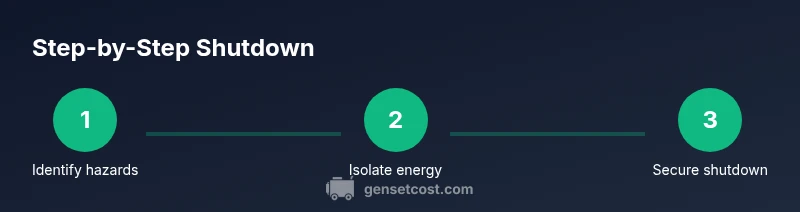
The process centers on isolating the generator from all loads, confirming zero energy, and securing the system before inspecting for faults. Start with load isolation, then apply lockout/tagout, shut off the fuel supply, and finally verify de-energization with appropriate tools. After cooling, inspect for leaks, wiring faults, or stuck components. This approach minimizes risk while preventing backfeed or accidental re-energizing of the home electrical system.
Lockout/Tagout Foundations for Generators
Lockout/tagout (LOTO) is a foundational safety practice that prevents accidental energization during maintenance. Attach a durable tag and a padlock to the energy source control, ensuring it cannot be re-energized by others. Verify that all connected breakers are in the OFF position and clearly marked. When you remove the lockout, re-verify that power conditions are restored only after you have completed all checks and the area is safe.
Managing Fuel and Ventilation to Stop Spinning
A primary cause of a generator not stopping is continued fuel supply. Close the fuel shutoff valve if accessible, and ensure the carburetor or fuel line cannot return fuel to the engine. Ventilate the area to disperse any accumulated fumes. Do not operate equipment in a confined space with fuel vapors present. After cutting fuel flow, allow time for the engine to coast to a stop while observing safe conditions.
Transfer Switch and Wiring Considerations to Prevent Backfeed
Backfeed occurs when the generator remains electrically connected to the home circuitry via the transfer switch. Confirm the transfer switch is in the OFF/Closed position for home circuits and that all interlocks function as intended. Inspect for loose connections or damaged wires that may keep the generator energized. If any doubt exists, consult a professional electrician to assess the wiring integrity and safe isolation.
Restarting and Preventive Maintenance to Avoid Recurrence
Once the shutdown is achieved safely, plan a cautious restart only after identifying and addressing root causes. Schedule a fuel system check, carburetor cleaning, or governor inspection if the engine exhibited irregular behavior. Implement a routine maintenance plan per the manufacturer schedule, including regular fuel stabilization, air filter checks, and electrical system testing. Proper maintenance reduces the chance of a repeat occurrence.
Common Pitfalls and Quick Checks Before Restore
Common mistakes include bypassing safety interlocks, using the wrong tool to manipulate shutoffs, and rushing the shutdown without verifying de-energization. Always re-test energy sources after performing any maintenance, verify there are no fuel leaks, and ensure the area is clean before restoring power. If you notice unusual smells, smoke, or fuel pooling, stop and call a professional immediately.
Tools & Materials
- Lockout/tagout kit(Padlock and tag to secure energy sources)
- Insulated gloves(Minimum insulation rating suited for hot surfaces)
- Safety goggles(Protection against fuel splashes and debris)
- Non-contact voltage tester(Verify de-energization without contact)
- Multimeter(Measure voltage and continuity if you have electrical access)
- Owner’s manual(Specific shutdown procedures and safety interlocks)
- Fuel shutoff mechanism access tool(Wrench or screwdriver to operate shutoff valve if needed)
- Flashlight(Illumination for dark areas)
- Spill containment kit(Absorb fuel if a leak occurs)
Steps
Estimated time: 30-60 minutes
- 1
Identify hazards and prep
Review the area for fuel spills, heat sources, and nearby occupants. Don PPE and confirm ventilation. Establish a clear exit path and communicate your plan to others nearby.
Tip: Never begin work if a fuel leak is visible or if conditions feel unsafe. - 2
Isolate the load safely
Move to OFF or STOP on the generator and close any connected circuit breakers. Ensure the transfer switch is not energizing the home circuits from the generator.
Tip: Use a helper if the unit is heavy or hard to reach. - 3
Apply lockout/tagout
Attach a lockout device and tag to the energy source control so no one can re-energize the unit while you work.
Tip: Double-check that the tag is visible and legible from a distance. - 4
Shut off the fuel supply
Close the fuel valve or disconnect the fuel line if accessible. Do not attempt to run the engine while the fuel is isolated, and monitor for any fuel leaks.
Tip: Hold fuel lines securely to prevent accidental leaks during valve operation. - 5
Verify complete de-energization
Use a non-contact tester and multimeter to confirm there is no voltage present on generator outputs or related circuits.
Tip: If voltage remains, do not proceed; reassess connections. - 6
Allow cooling and inspect
Let the engine cool down completely before handling components or inspecting fuel lines, filters, or wiring.
Tip: Carry a flashlight to inspect dark areas and look for signs of wear. - 7
Document and plan restart
Note what caused the shutdown issue, any repairs made, and a safe restart plan. Communicate with occupants and schedule professional service if needed.
Tip: Never restart until you’re confident ongoing faults are addressed. - 8
Restart safely (if conditions permit)
Follow the manufacturer’s restart procedure step-by-step, reapplying lockout once power cycles back. Verify loads transfer correctly and no abnormal sounds occur.
Tip: Test one load at a time to confirm stability.
People Also Ask
What does the term 'generator walking dead' refer to in practice?
It describes a generator that continues to run or spool after a shutdown command due to faults, fuel issues, or wiring problems. Addressing the root cause is essential before restarting.
If your generator keeps running after shutdown, you likely have a fault. Address the root cause before trying to restart.
Can I safely shut down a generator that won't stop on its own?
Yes. Follow a controlled shutdown protocol: isolate loads, apply lockout/tagout, shut off fuel, and inspect for faults before attempting a restart.
Yes. Use lockout/tagout and fuel shutoff, then verify energy is gone before inspecting.
Is it safe to disconnect electrical connections while the generator is energized?
No. Never disconnect live connections. De-energize first and use proper safety procedures to avoid shock or fire.
No. Always de-energize before touching wiring or disconnecting anything.
What are common signs of a fault causing shutdown failure?
Signs include a stuck governor, contaminated fuel, faulty start/stop switch, damaged wiring, or a malfunctioning transfer switch.
Look for fuel contamination, wiring damage, or a stuck governor as common fault signs.
When should I call a professional?
If you detect fuel leaks, see burning smells, or cannot safely isolate energy sources, contact a licensed electrician or generator technician.
If in doubt or you see leaks or damage, call a professional.
How often should I perform maintenance to prevent this?
Follow the manufacturer’s schedule for fuel, air, and electrical system checks. Regular maintenance reduces recurrence of shutdown issues.
Keep up with the manufacturer's maintenance schedule to prevent recurrence.
Watch Video
Key Takeaways
- Identify root causes before restart and address them.
- Use lockout/tagout to prevent accidental energization.
- Shut off the fuel supply to stop unsafe running.
- Inspect for leaks or wiring faults, then plan a safe restart.
- Consult the owner’s manual or a licensed technician for complex issues.