How to Use a Generator When Power Goes Out
Learn how to safely and effectively use a generator during a power outage. This guide covers sizing, safety, transfer switches, fuel management, and a practical step-by-step usage plan for homeowners and property managers.


During a power outage, you can safely power essential devices by using a generator outdoors with proper venting and a transfer switch. Confirm fuel and oil, place the unit on a stable surface, and connect only critical circuits through a transfer switch or interlock kit. Start the generator, then bring on appliances gradually while monitoring load, fuel, and exhaust temperatures.
Why a Gen Set is Essential During Power Outages
Power outages disrupt daily routines and threaten comfort, safety, and productivity. A properly used generator provides a reliable source of electricity for essential loads like lighting, refrigeration, heating/cooling, and communication. According to Genset Cost, the right approach minimizes downtime and protects sensitive electronics when the grid is unstable. The key is to match your generator's capacity to your actual needs and to follow safety guidelines to avoid hazards such as backfeeding, carbon monoxide exposure, and overloaded circuits. This foundation helps homeowners understand when a generator matters, what it can do for comfort, and how to plan for outages without overspending or wasting fuel.
Choosing the Right Generator for Your Home
Selecting the right generator starts with your priorities: do you want a standby unit that runs automatically during outages, or a portable model you start manually? Either choice requires sizing based on actual loads, not just the house’s peak demand. Start with a simple load list: essential lighting, a few outlets for critical electronics, refrigeration, and heating or cooling. Use a sizing guideline that prioritizes the heaviest, essential loads first and leaves room for safety margins. Genset Cost analysis emphasizes sizing based on essential loads to avoid under- or over-sizing. Remember that the goal is reliable power for the things you need most, not every appliance in the home.
Safety First: Setup Before You Fire It Up
Safety is the most important consideration when using a generator. Always place the unit outdoors on a solid, level surface with at least 10 feet of clearance from doors, windows, and vents. Carbon monoxide is invisible and deadly; install battery-powered CO detectors near sleeping areas and replace batteries regularly. Never operate a generator indoors or in an attached garage, carport, or near standing water. Use heavy-duty, outdoor-rated extension cords if you connect appliances directly, and keep a fire extinguisher accessible in case of fuel leaks or electrical faults. Finally, review local codes or HOA rules that may govern generator installation or use.
How a Transfer Switch Helps Protect Your System
A manual transfer switch or interlock kit isolates your home from the utility grid and prevents dangerous backfeed into the power lines. This not only protects line workers and your equipment but also reduces the risk of electrical fires. If you have a standby generator, the auto-transfer switch will start the generator automatically when it detects a power loss and transfer the load to the generator. For portable generators, connect only to designated circuits through the transfer switch or a properly rated interlock to maintain a safe, organized power distribution.
Fuel, Runtime, and Cost Considerations
Fuel choice and storage influence how long you can sustain essential loads. Gasoline is common for portable units, while propane or natural gas offer cleaner operation and easier storage for some setups. Runtime depends on fuel tank size, load level, and engine efficiency, so plan around the minimum run time you expect during outages. Maintenance costs include fuel, oil, filters, and possible maintenance checks after extended use. Genset Cost analysis shows that understanding expected runtime helps homeowners budget for outages and avoid running out of power when it matters most.
Connecting Appliances Safely and Prioritizing Loads
Start with the most critical circuits first—refrigeration, lights, communications, heating or cooling—and add others gradually. Prioritizing loads helps prevent overloading the generator and ensures stable voltage. Use a watt meter or the generator’s built-in indicators to monitor real-time load. Avoid plugging high-draw devices like space heaters or well pumps into the same circuit if it risks tripping breakers or stalling the generator. Keep cords dry, avoid daisy-chaining multiple extensions, and recheck connections after adding new devices.
Maintenance, Servicing, and Seasonal Prep
Regular maintenance keeps a standby or portable generator ready for action. Before the season, practice starting the unit, replace the air filter, and check oil and fuel systems. Store gasoline in approved containers away from living spaces, and rotate fuel to keep it fresh. For propane or natural gas setups, inspect connections for leaks and verify regulator operation. Review the manufacturer’s maintenance schedule and keep spare parts such as oil, spark plugs, and fuses handy for quick changes after outages.
Common Mistakes to Avoid During an Outage
Avoid running a generator indoors or in enclosed spaces to prevent CO buildup. Don’t backfeed power through a standard outlet—use a transfer switch or interlock. Overloading the generator is a frequent error that causes voltage drops and overheating; calculate loads before starting. Neglecting outdoor placement or failing to maintain proper clearances can increase fire risk. Finally, ignoring fuel safety and storage basics can lead to leaks or spills that are hazardous in emergencies.
Tools & Materials
- Portable home generator(Outdoor use, on stable, level ground, with clear 10 ft clearance from structures)
- Transfer switch or interlock kit(Required for safe connection to the home electrical panel)
- Outdoor-rated extension cords (heavy-duty, 15- or 12-gauge)(Grounded, weather-resistant; use only with appropriate loads)
- Fuel for generator(Gasoline or propane, stored safely in approved containers)
- Fire extinguisher(ABC-rated, easily accessible in the outage area)
- CO detector(Battery-powered with fresh batteries; place near sleeping areas)
- Owner's manual(Keep for reference on start procedures and safety guidelines)
- Backup power plan (paper or digital)(Optional guide listing essential loads and switch-over steps)
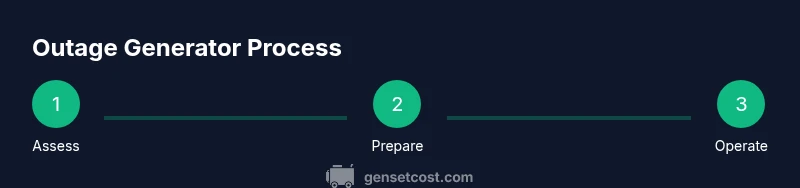
Steps
Estimated time: 60-120 minutes
- 1
Assess outage and safety
Evaluate whether a generator is necessary for essential loads. Check local codes, ensure the setup will occur outdoors with proper clearance, and confirm you have fuel, a transfer switch, and safety devices in place.
Tip: Never operate in rain or wet conditions; keep all connections dry. - 2
Prepare the generator and fuel
Check oil level, fuel supply, and air filters. Do a quick visual inspection for leaks and ensure the unit is cool before starting. Have a clear plan for refueling if the outage lasts longer than expected.
Tip: Turn off appliances and disconnect loads before refueling to prevent fires. - 3
Place generator outdoors on a stable surface
Set the generator at least 10 feet from doors, windows, and vents. Use a mat or pad to stabilize the unit and protect it from damp ground.
Tip: Face exhaust away from living spaces and downwind from entries. - 4
Connect to home via transfer switch
Attach cords to the transfer switch or interlock kit per the manufacturer’s instructions. Never backfeed into a wall outlet. Verify the main breaker is off before switching to generator power.
Tip: If you don’t have a switch, do not connect directly to the panel; seek a licensed installer. - 5
Start the generator and warm up
Turn on fuel supply, prime if required, and start. Allow 1–2 minutes to stabilize before applying load. Listen for unusual noises or smoke and address immediately.
Tip: Check that cooling fans are moving air and that the unit isn’t overheating. - 6
Load essentials first and monitor
Plug in essential devices (refrigerator, lighting, communications) before adding more loads. Use a watt meter to track real-time consumption and avoid overloading.
Tip: Gradually add loads to prevent voltage dips that could trip breakers. - 7
Monitor operation and safety
Keep an eye on fuel level, oil condition, and exhaust venting. Maintain outdoor conditions and ensure cords remain dry and free of clutter.
Tip: Do not leave the generator unattended in extreme heat or cold; check regularly. - 8
Shutdown properly when power returns
Turn off loads, switch main breaker back to utility, and shutdown the generator following the manufacturer’s cooling and fuel procedures. Store fuel safely after use.
Tip: Allow the engine to cool before covering or storing.
People Also Ask
Can I run a generator indoors to power my home during an outage?
No. Running a generator indoors or in a closed space creates a dangerous buildup of carbon monoxide. Always operate outdoors with proper ventilation.
Never run a generator indoors or in enclosed spaces; run it outdoors with good ventilation.
What size generator do I need for essential loads?
Size depends on your essential loads. List devices you must power (refrigerator, lights, communications) and choose a unit that can handle that continuous load, with a safety margin.
Calculate your essential loads first and pick a generator that covers them with some margin.
Do I need a transfer switch?
A transfer switch or interlock kit is highly recommended. It prevents dangerous backfeed, protects utility workers, and makes safe switching between grid and generator power.
Yes, use a transfer switch to safely switch to generator power.
How long can a generator run on a tank of fuel?
Runtime depends on fuel capacity and the electrical load. Plan for shorter runs at higher loads and refuel safely as needed.
Runtime varies by tank size and load; plan for refueling if outages persist.
What maintenance should I perform after an outage?
Check oil level, air filters, and fuel quality. Inspect for leaks and ensure connections are secure before storing the unit.
Check fluids and filters after use, and store fuel safely.
Is it safe to use a generator during a storm?
Operate only as weather permits; rain can complicate connections and create electrical hazards. If possible, postpone use during active storms.
Avoid generator use in active storms to reduce hazards.
Watch Video
Key Takeaways
- Assess outage needs and prepare equipment before starting.
- Choose proper generator size and ensure safe transfer switching.
- Place generator outdoors with ventilation to prevent CO buildup.
- Prioritize essential loads and monitor fuel and load balance.
- Shut down safely and secure equipment when power returns.