What generator for caravan: A practical guide to sizing, costs, and installation
Learn how to select, size, and install a caravan generator with practical steps, covering loads, fuel options, costs, safety, and maintenance for reliable mobile power.


To choose the right generator for caravan, start with a load calculation (fridge, lights, water pump) and add 15-20% headroom for startup surges. Compare fuel type, noise, and installation options, then budget for transfer-switch or hard-wiring if needed. For most caravans, a compact, inverter-style unit sized to your essential loads provides reliable power without excess fuel use.
Why caravan power matters and how to pick the right generator for caravan
According to Genset Cost, choosing the right generator for caravan boils down to three questions: how much power you actually need, where you will place the unit, and how you will connect it to your caravan's electrical system. The question of what generator for caravan often comes up, and the best answer starts with a clear load assessment, then practical choices about size, fuel, and installation. By prioritizing essential loads and headroom for startup, you avoid underpowered trips and excessive fuel burn on the road. This foundation helps readers understand typical caravan power profiles and the decision framework they will use as they move through sizing, fuel options, and safety considerations.
In practice, most caravan setups begin with a simple checklist: essential loads, space for an outdoor unit, and a plan to connect safely without backfeed. Real-world considerations—such as campground rules, how you store fuel, and how you ventilate exhaust—often determine the final choice for what generator for caravan to buy. The goal is reliable power with minimal noise and safe operation during long trips.
How to size a caravan generator: load calculations and headroom
Sizing a caravan generator means translating your daily activities into watts, then adding a buffer for startup surges. Start with essential loads like a refrigerator, fans, water pump, and lighting, then consider occasional devices like a coffee maker or space heater. Different appliances draw different running watts, and motors have higher starting watts. For most travelers, plan for a conservative headroom of 15-20% to accommodate peak events without overloading the gen set. This approach helps answer the common question of what generator for caravan fits your mobile lifestyle while keeping fuel use reasonable.
The sizing method emphasizes a practical, user-friendly approach: list devices, estimate running watts, add surge allowances, and pick a generator that matches the total with comfortable headroom. If you travel with high-heat appliances or multiple devices on, you’ll want a larger model. For a typical caravan, a compact inverter unit sized around your essential loads and capable of handling surges often delivers dependable performance without excessive fuel burn.
Fuel choices and operating considerations
Caravan generators commonly run on gasoline, propane, or diesel, each with tradeoffs in availability, storage, and emissions. Gasoline models tend to be lightweight and affordable; propane offers clean burning and easy storage but may limit run time if you travel long distances without refueling. Diesel units are efficient at larger sizes but heavier and noisier. When deciding what generator for caravan to buy, weigh fuel accessibility, storage safety, and the impact on running costs. In many setups, a small inverter generator using regular fueling is a good balance between quiet operation and portability.
Noise, vibration, and comfort in small spaces
Noise matters in confined caravan spaces. Inverter generators are typically quieter and smoother than conventional styles, which improves comfort during nights and early mornings. Vibration reduces with rubber mounting and proper isolation. Consider placement far from doors and windows, and use a dedicated exhaust path that directs fumes away from the living area. This is part of choosing what generator for caravan that won’t disturb your travel companions. Keeping noise in check helps maintain a peaceful camping experience and reduces fatigue on longer trips.
Installation basics: transfer switches, wiring, safety
Most caravan setups benefit from a transfer switch or interlock kit to switch between shore power and generator without back-feed. Plan a safe electrical path, keep fuel away from heat sources, and ensure adequate ventilation for the exhaust. Mount your generator outdoors on a stable platform with clearance for air intake and exhaust. Always follow manufacturer instructions and local regulations when integrating with the caravan electrical system. A proper installation reduces risk and simplifies future maintenance.
Cost considerations and budgeting for a caravan generator
Budgeting for a caravan generator involves upfront purchase price, installation costs, and ongoing fuel and maintenance. Price ranges vary widely, from compact portable units suitable for basic needs to larger systems with automatic transfer switches. For most caravan users, expect a broad range that reflects size, fuel type, and noise level. Remember to factor in maintenance, periodic servicing, and fuel storage safety in your overall plan. This approach aligns with common-sense budgeting rather than chasing hype, ensuring you get reliable power without overspending.
Maintenance and warranty basics
Keep your generator reliable with regular oil changes, air filter checks, and periodic load testing. Carry spare parts and keep a basic toolkit for on-the-road service. Review the warranty terms to understand coverage for fuel components, exhaust systems, and electrical connections. Routine maintenance reduces the risk of failures when you’re far from help and protects your investment over time.
Portable vs built-in vs inverter: which type is best for caravans
Portable inverter models offer light weight and flexibility, making them ideal for small caravans and occasional trips. Built-in or mountable options provide a more integrated solution and can include automatic transfer features, but they require professional installation and may add weight to the vehicle. In most cases, an inverter-powered portable generator that matches your load and includes a safe exhaust path delivers a balance of quiet operation, efficiency, and cost.
Quick-start planning checklist for what generator for caravan
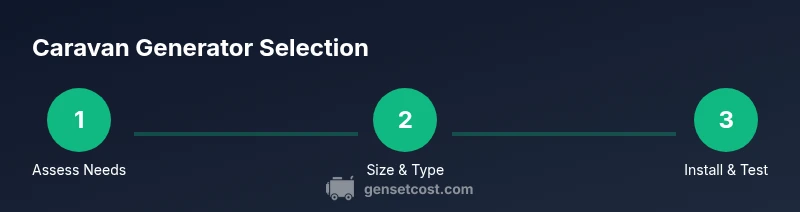
Use this checklist to organize planning before buying a generator. List essential loads and estimate running and starting watts. Choose a model with headroom for surges and a fuel type that suits your travel pattern. Decide on a transfer switch vs direct connection and arrange safe venting and storage. Prepare space, install the unit outdoors, and perform a controlled test run.
Tools & Materials
- Measuring tape(For space and clearance checks around the caravan exterior)
- Safety gloves(Protect hands during mounting and fueling)
- Safety glasses(Eye protection during handling and setup)
- Owner's manual for generator(Consult specifications and safety instructions)
- Transfer-switch kit (optional)(Facilitates safe shore power <-> generator switching)
- Wrench set(Mounting hardware and adjustments)
- Fuel container (approved type)(Temporary refueling in safe area)
- CO detector(Mount in caravan to monitor exhaust safety)
Steps
Estimated time: 4-6 hours
- 1
Assess electrical needs
Calculate running watts for fridge, lights, water pump, and essential devices. Add startup surges and 15-20% headroom to avoid overload.
Tip: List every device and note peak moments (compressor cycles, heater bursts). - 2
Choose size and model
Match calculated load to a suitable generator, considering fuel type, noise, and portability. Ensure the model supports inverter operation for efficiency.
Tip: Prefer an inverter generator if you want smoother power and better fuel economy. - 3
Plan the electrical path
Decide between a transfer switch or direct connection to caravan electrical panel; plan for safe enclosure and venting.
Tip: A transfer switch reduces back-feed risk and simplifies safe switching. - 4
Check installation space and venting
Place the unit outdoors with adequate clearance; ensure exhaust escapes away from living areas and check ventilation requirements.
Tip: Never place the generator inside or in an enclosed space. - 5
Install and test
Mount unit, connect fuel and exhaust, and perform a test run following manufacturer procedures under load.
Tip: Test under load and monitor for overheating or abnormal sounds. - 6
Run and maintain
Schedule regular start-ups, change oil as recommended, and store fuel safely away from heat sources.
Tip: Use fuel stabilizer for longer storage periods.
People Also Ask
What size generator do I need for a caravan?
Size depends on essential loads; compute running watts, add surge, and allow 15-20% headroom. A compact inverter is often sufficient for many caravans.
Size depends on your essential loads plus a surge allowance; a compact inverter commonly fits.
Can I connect a caravan generator to shore power without a transfer switch?
A transfer switch or interlock kit is recommended to prevent back-feed and ensure safe switching between shore power and generator.
Yes, use a transfer switch to switch safely between shore power and generator.
What fuels are practical for caravan use?
Gasoline, propane, and diesel are common; propane is easier to store and clean, while gasoline offers accessibility. Choose based on fuel availability where you travel.
Gas and propane are common; pick based on what's readily available where you go.
Is it safe to run a caravan generator near living spaces?
Always direct exhaust away from doors and windows and install CO detectors. Do not operate indoors.
Keep exhaust outside and use a CO detector.
How loud are caravan generators?
Noise varies by model; inverter generators are generally quieter. Check decibel ratings and place the unit away from the living area.
Check the noise rating and position the unit away from people.
What maintenance does a caravan generator require?
Regular oil changes, air filter checks, and periodic load testing help keep it reliable.
Keep up with oil changes and regular tests.
Watch Video
Key Takeaways
- Calculate real needs before sizing
- Include headroom for startup surges
- Prefer inverter models for caravans
- Use a transfer switch for safe operation