Do You Need a Special Plug for a Generator? A Comprehensive Guide
Learn whether you need a special plug for a generator, why transfer switches and inlets matter, how to pick the right connectors, and when to hire a pro for safe, compliant home backup power.


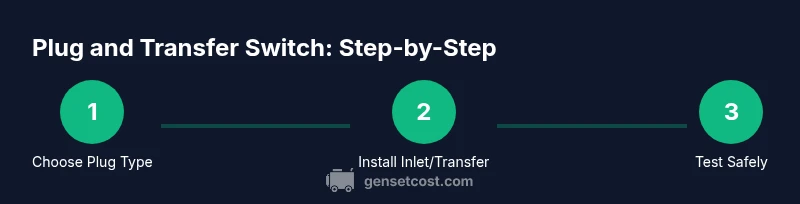
Do you need a special plug for a generator? In most homes, yes. A dedicated inlet or transfer switch is typically required to safely feed a generator into your electrical panel, rather than relying on a standard household outlet. Portable and standby generators use different plug types, but the common goal is to prevent backfeeding and ensure code-compliant installation.
Do you need a special plug for a generator? What this guide covers
The short answer is that most home setups benefit from a dedicated plug system, not a direct hookup to a wall outlet. A true “special plug” means a purpose-built inlet, a transfer switch, or a hard-wired connection that routes generator power safely to your electrical panel rather than feeding through a standard receptacle. This distinction is crucial for safety, insurance, and code compliance. According to Genset Cost, the most reliable backup configurations emphasize an inlet and/or transfer switch rather than improvised connections. In this section we define what counts as a special plug, examine common connector types, and explain why they matter for both portable and standby generators. You’ll also see practical scenarios where a simple extension cord is not enough and where a professionally installed solution is the safer path. The goal is to help you select a setup that protects your family and home while providing dependable power during outages.
wordCountInBlock
Tools & Materials
- Generator inlet box or power inlet(Weatherproof, outdoor-rated, sized to match your generator and expected load)
- Transfer switch(Enables safe routing of selected circuits from generator to panel)
- Outdoor-rated generator cord / power cord(GFCI-protected when used outdoors; keep length to minimize voltage drop)
- Receptacles or outlets for generator cord(Ensure outdoor-rated outlets meet local code and are properly protected)
- Ground fault protection / GFCI(Use where required by code or if your setup involves outdoor use)
- Non-contact voltage tester(For safe verification during installation)
- Insulated gloves and PPE(Useful for handling electrical components during setup)
Steps
Estimated time: 2-6 hours
- 1
Assess power needs and select configuration
List essential circuits you want to power and decide whether a transfer switch or an inlet box (or both) is appropriate. This sets the stage for selecting the right plug and cord and ensures your equipment can handle the load.
Tip: Create a simple load chart for lights, outlets, refrigerators, and heating if applicable. - 2
Choose the connector type that matches your generator
Identify a connector type compatible with your generator’s outlet configuration (e.g., NEMA-style receptacles or a designated inlet). The goal is a safe, code-compliant path from generator to panel.
Tip: Avoid mixing incompatible inlet types and outlets to prevent misconnection. - 3
Plan outdoor routing and protection
Map a route from the generator inlet to the transfer switch or panel, avoiding damp areas and sharp bends. Use weatherproof enclosures and proper conduits where needed.
Tip: Keep the cord and conduit off walkways to prevent tripping and damage. - 4
Install the transfer switch or inlet box
Install per manufacturer instructions and local codes. If you’re not confident, hire a licensed electrician to ensure proper bonding, grounding, and safe operation.
Tip: Never bypass safety interlocks or attempt to hardwire without a passed inspection. - 5
Connect the generator using a proper cord
Attach a generator-rated cord between the inlet box or transfer switch and your generator’s outlet. Use outdoor-rated equipment and confirm secure connections.
Tip: Inspect the cord for cuts, wear, and proper insulation before each use. - 6
Test the system safely
With the generator off, verify all connections. Start the generator and run a quick power-off test to ensure the selected circuits engage as intended.
Tip: Record test outcomes to track system performance over time. - 7
Label circuits and maintain clear accessibility
Clearly label the circuits fed by the generator and keep the transfer switch remote and accessible. Documenting helps future maintenance and emergency readiness.
Tip: Create a simple one-page diagram to mount near the panel. - 8
Schedule professional inspection and periodic checks
Arrange a licensed electrician to verify grounding, bonding, and overall safety. Regular checks help prevent failures and ensure ongoing code compliance.
Tip: Plan inspections around policy requirements and local codes. - 9
Consider maintenance and storage
Follow manufacturer maintenance schedules for your generator and keep fuel, oil, and filters in good order. Store equipment in a dry, accessible area.
Tip: Rotate fuel if using gasoline and inspect for condensation or clogs. - 10
Review after-action and update setups
After the first outage or test, review performance and update wiring, cords, or switch configurations as needed to improve reliability.
Tip: Keep spare parts and a quick-reference guide handy for quick fixes.
People Also Ask
What is a 'special plug' for a generator?
A special plug typically refers to an inlet or connector designed for generator use, often paired with a transfer switch or hard-wiring. It ensures safe, code-compliant power transfer to your home's circuits.
A special plug means a generator inlet or transfer switch setup that safely feeds your home, not a standard wall outlet.
Can I run a generator without a transfer switch?
Directly connecting a generator to a home circuit without a transfer switch is dangerous and often illegal. A transfer switch isolates the generator from the utility lines and prevents backfeed.
No—backfeeding through a wall outlet is unsafe and not recommended. Use a transfer switch.
Do I need to hire an electrician for installation?
For most installations, especially permanent or semi-permanent setups, a licensed electrician is required to ensure correct bonding, grounding, and code compliance.
Yes. A licensed electrician should install or inspect the system to meet local codes.
What’s the difference between portable and standby generator plugs?
Portable generators typically use fitted inlet boxes and cords, while standby systems integrate with automatic transfer switches that sense power loss and switch automatically.
Portable uses an inlet and cord, standby uses an automatic transfer switch.
Are there safety tips for outdoor generator use?
Always operate outdoors in a well-ventilated area, keep fuel away from ignition sources, and use a GFCI-protected setup to reduce shock risk.
Operate outside, away from doors and vents; ensure proper ventilation and safety gear.
What about code compliance and permits?
Many jurisdictions require permits and inspections for generator installations, especially when tying into the electrical panel.
Permits are often required; check local codes before starting.
Watch Video
Key Takeaways
- Use a transfer switch or inlet box for safe hookup
- Avoid plugging a generator directly into a house outlet
- Choose weatherproof cords and appropriate connectors
- Hire a licensed electrician for permanent installations when required
- Test and maintain your system regularly