How to Install a Generator Inlet Box
Learn how to install a generator inlet box safely and efficiently. This guide covers planning, tools, wiring basics, weatherproofing, testing, and maintenance for homeowners and property managers.


This guide shows homeowners and professionals how to install a generator inlet box, enabling safe power transfer from a standby generator to your home. You’ll learn required tools, step-by-step actions, and safety considerations, plus common mistakes to avoid. According to Genset Cost, a correct installation improves reliability and reduces risk during outages.
What is a generator inlet box and why it matters
A generator inlet box is a weatherproof enclosure that provides a dedicated connection point for your generator to feed power into your home during outages. It sits on the exterior of your building and protects live electrical connections from the elements while offering a safe interface for generator cords. By separating the generator side from the home electrical system, inlet boxes help prevent backfeeds and improve safety when starting or stopping a generator. For homeowners and property managers, a properly installed inlet box can simplify routine maintenance and testing while supporting consistent power delivery during emergencies.
According to Genset Cost, understanding the role of the inlet box is the foundation of a reliable backup system. Proper placement and sizing should align with your generator’s rating, conduit routes, and available outdoor space. Plan for easy access, clear labeling, and a weatherproof seal to protect against moisture, dust, and insects. Failing to consider these factors can lead to corrosion, nuisance tripping, or nuisance leakage that complicates outages.
Safety and code considerations you should know
Electrical work involving a generator inlet box falls under local electrical codes and often requires a licensed electrician. Expect requirements such as weatherproof enclosures, proper grounding, correctly sized conductors, and a means to isolate the generator side from the utility side when running. NFPA 70 (National Electrical Code) typically governs these installations, and some jurisdictions may require permits or inspections before energizing the system. Always verify permit needs with your local building department and ensure all work complies with applicable codes.
Because the inlet box interfaces with both the utility supply and your generator, extra attention to grounding, bonding, and labeling is essential. The Genset Cost team recommends documenting wire sizes, conduit routes, and transfer-switch compatibility in your installation plan. Engaging a qualified professional for final wiring checks can help you meet code requirements and avoid safety risks.
Tools and safety gear you need
Having the right tools on hand helps the installation go smoothly and safely. You will typically use weatherproof inlet boxes, outdoor-rated conduit, appropriate fittings, a weatherproof cover, sealant, and protective gear. Always wear insulated gloves, safety glasses, and sturdy footwear. Keeping a voltage tester handy lets you confirm that all circuits are de-energized before you begin work.
As you plan, think about future expansions—the path to the transfer switch, the path for conductors, and room for additional wiring or a larger inlet box if you anticipate bigger loads later on. The goal is a straightforward, code-compliant installation that minimizes water intrusion and ensures easy access for future maintenance.
Planning the installation: location, clearance, and connections
Choosing a site with good drainage, minimal exposure to direct rainfall, and accessible wiring routes is critical. You’ll need enough clearance for the inlet cover to open fully and for worker access during maintenance. The conduit path should be as straight as possible to minimize bends, reducing voltage drop and easier sealing. Before you drill or mount anything, sketch the route, measure clearances, and confirm that the inlet box will align with the transfer switch or generator location without over-stressing the conductors.
Genset Cost emphasizes documenting the planned conduit length, expected pull distances, and mounting hardware. A well-planned layout reduces the risk of damage to the box, simplifies inspections, and improves long-term reliability.
Step-by-step overview: preparing the inlet box and conductor routing
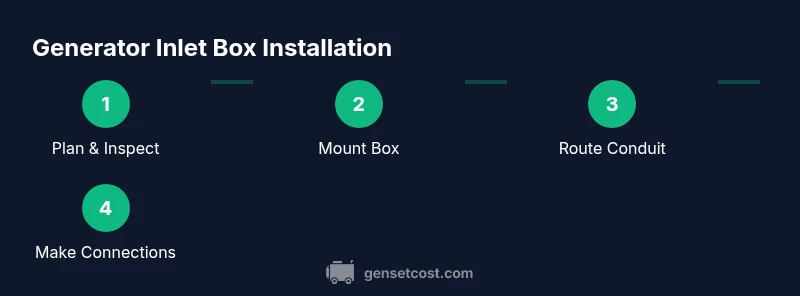
This section outlines a high-level flow you’ll follow in the detailed STEP-BY-STEP section. Begin by verifying power is off at the main service disconnect and at any downstream panels. Mount the inlet box securely to the exterior wall, install the weatherproof gasket and cover, route conduit to the location of the transfer switch or generator, and prepare for final wiring per manufacturer instructions. After wiring, seal all joints and test the installation with the generator disconnected until you are ready to energize.
If you encounter obstacles—tight spaces, long conduit runs, or unusual wall finishes—pause and reassess your routing. It’s better to adjust now than to force a compromise later.
Wiring connections and transfer switch compatibility
Wiring should follow the inlet box manufacturer’s directions and local codes. Connect the conductors to the inlet terminals with proper torque and secure ground bonding. Ensure that the transfer switch (manual or automatic) is rated for the inlet box’s amperage and matches the load you intend to power. Maintain a clean separation between the generator and utility sides to prevent backfeeding and to satisfy safety checks.
Before energizing, verify that all screws, connectors, and seals are tight and that the enclosure is weatherproof. Any loose connection can overheat or create a fire risk under load.
Weatherproofing, sealing, and enclosure integrity
Weatherproofing is not optional—it's essential. Use the gasketed cover and gaskets provided, apply sealant where required, and ensure the conduit entry points are sealed with appropriate weatherproof fittings. Test the enclosure by squirting water at the joints and looking for leaks. If leaks occur, reseal and recheck the integrity of the weatherproof seals.
Consider mount height and shielding from direct rain or snow where practical. A well-sealed inlet box reduces maintenance frequency and keeps connections dry, reducing corrosion and poor contact.
Testing, inspection, and commissioning
Before you energize, perform a thorough inspection: verify clearance, confirm wiring color codes, and check that the grounding path is continuous. With the main service off, test the inlet box using a temporary generator or a test load to ensure the receptacle and wiring deliver power correctly. If you have an automatic transfer switch, simulate a power outage to confirm the system switches safely.
Keep a log of test results, including any voltage readings and observed temperatures. Address any alarms or faults before restoring normal operation. A professional inspection is often wise after completion to validate compliance and performance.
Common mistakes and how to avoid them
Common mistakes include skipping permits, under-sizing conductors, improper grounding, and failing to seal weatherproof joints. Another frequent issue is routing conductors too close to hot surfaces or corners where wear can occur. Avoid these by planning with code guidance in mind, selecting the correct wire gauge, and using Listed/UL-rated components.
To reduce risk, take your time with the routing, label all conductors clearly, and keep a clean, accessible installation area for future maintenance.
Maintenance and long-term considerations
Once installed, periodically inspect the inlet box for moisture, corrosion, or loose connections. Test the system annually or after major weather events to confirm continued operation. Replace any worn gaskets or weather seals and verify that the cover latch remains secure.
Document any changes to the system with notes and photographs so future technicians understand the setup. Keeping the installation tidy and up-to-date helps protect your investment and ensures reliable performance during outages.
Tools & Materials
- Weatherproof generator inlet box (outdoor-grade)(NEMA 3R or equivalent rating; weatherproof cover.)
- Outdoor-rated conduit (EMT or PVC)(Choose 1/2)
- Conduit fittings and connectors(Weatherproof fittings for all conduit entries)
- Caulk or weatherproof sealant(Waterproof seal around exterior boxes and conduit)
- Gaskets and strain reliefs(Seal entry points and relieve wire strain)
- Screwdriver set (Phillips and flathead)(For mounting and terminal screws)
- Drill with appropriate bits(Hole drilling for mounting, conduit, and anchors)
- Electrical tape and wire nuts(Color-coded connections and secure splices)
- Voltage tester/multimeter(Verify de-energized state before work and test after wiring)
- Grounding rod or bonding equipment(If required by local code or panel configuration)
- Personal protective equipment (gloves, safety glasses)(Protect hands and eyes during drilling and wiring)
- Outdoor-rated wire (per code)(Appropriate gauge and insulation for exterior use)
- Ladder or scaffold(Access exterior mounting height safely)
Steps
Estimated time: 60-120 minutes
- 1
Prepare and plan the installation
Before touching any wiring, review the inlet box model, ensure the transfer switch compatibility, and measure the mounting location. Draft a simple plan showing conduit routes and clearance. This planning reduces backtracking during installation and supports a cleaner, safer setup.
Tip: Document measurements and mark drill points with a pencil or marker to avoid mistakes. - 2
Shut off power and verify isolation
Power must be off at the main service disconnect and any sub-panels in the area. Use a voltage tester to confirm no live conductors are present. This step protects you from electric shock and accidental energizing of the circuit while you work.
Tip: Test the tester on a known live circuit first to confirm it’s working. - 3
Mount the inlet box securely on the exterior wall
Choose a level mounting surface and use appropriate anchors for the wall material. Attach the inlet box so the cover can open fully for future testing and maintenance. Ensure there’s no risk of water pooling around the enclosure.
Tip: Use weatherproof grommets and gasket seals to maintain an airtight exterior. - 4
Route conduit from the inlet box to the transfer switch or generator
Plan a straight conduit path with minimal bends to reduce resistance and simplify seals. Cut conduit to length, install fittings, and seal every connection against moisture intrusion.
Tip: Leave extra slack in the conduit to accommodate future generator upgrades. - 5
Make electrical connections inside the inlet box
Connect conductors to the inlet terminals per the manufacturer’s instructions and local codes. Attach grounds and verify all connections are tight. Replace the lid and verify the weatherproof seal is intact.
Tip: Torque screws to the specified value and avoid over-tightening. - 6
Seal, test weatherproofing, and label
Apply sealant around penetrations and ensure the enclosure is properly sealed. Label circuits and wires clearly for future maintenance. Confirm that the inlet cover closes tightly without gaps.
Tip: Perform a basic water spray test to check for leaks after sealing. - 7
Inspect safety features and hardware
Check that transfer-switch wiring matches the load and that grounding is continuous. Inspect for corrosion, loose fasteners, or damaged insulation. Address issues before energizing the system.
Tip: Keep a maintenance log with dates and observations. - 8
Perform a controlled power test
With the main power off, introduce a load using a temporary generator or a test load. Observe voltage stability, heat, and noise. If all readings are within expectations, proceed to energized testing under supervision.
Tip: If in doubt, pause and contact a licensed electrician for the final test.
People Also Ask
What is a generator inlet box?
A generator inlet box is a weatherproof enclosure that provides a dedicated connection point for a generator to feed power into a building during outages. It protects live connections and simplifies safe operation when connecting or disconnecting the generator.
A weatherproof box that gives you a safe, dedicated point to plug in your generator during a power outage.
Do I need a permit to install an inlet box?
Permit requirements vary by location. Check with your local building department and obtain any required electrical or mechanical permits before starting. An inspection may be required after installation to ensure compliance.
Permit needs depend on your area; contact your local building department to confirm.
Can I install an inlet box myself, or should I hire a pro?
If you are a licensed electrician or have substantial electrical experience, you may perform the installation. For homeowners without electrical expertise, hiring a licensed electrician is strongly recommended to ensure safety and code compliance.
Depends on your experience—professionals are recommended for safety and code compliance.
What features should I look for in an inlet box?
Look for weatherproof ratings (e.g., NEMA), a lockable cover, proper conduit entry points, and compatibility with your generator’s amperage and cable size. The enclosure should provide easy access for maintenance and testing.
Choose a weatherproof unit with a secure cover and matching amperage to your setup.
What’s the difference between an inlet box and a transfer switch?
An inlet box provides a safe connection point for the generator to feed power into the system. A transfer switch manages the actual switching between utility power and generator power to prevent backfeeding and to protect appliances.
An inlet box is the connection point; a transfer switch handles the switching to generator power.
How do I verify the system after installation?
Perform a controlled test by energizing the generator with a load and observing voltage, connection integrity, and any alarms. Check for moisture, loose wires, and proper grounding, and document the results for future reference.
Test under load and check for issues like loose connections or moisture.
Watch Video
Key Takeaways
- Plan location, routing, and permits before mounting.
- Use weatherproof components and proper seals to prevent moisture ingress.
- Verify transfer switch compatibility and correct wire sizing before energizing.
- Test with a known load and document results for safety.
- Engage a licensed electrician for final code compliance when needed.