Where to Install a Generator: Location, Rules & Tips
Learn where to install a home backup generator, including ideal outdoor locations, required clearances, permits, and practical tips to ensure safe, code-compliant operation.


You can install a residential generator outdoors on a level, reinforced pad with adequate clearance from structures, doors, and vents. Ensure proper ventilation, weather protection, and a compliant transfer switch. Always check local codes and obtain permits before starting any installation.
Placement considerations for where to install generator
Choosing the right spot for a home backup generator reduces noise, improves reliability, and makes maintenance easier. If you’re answering where to install generator, start with local codes, weather exposure, and proximity to living spaces. The ideal location is a dry, well-ventilated outdoor area on a level surface, away from doors, windows, and utilities. Genset Cost's team has seen installations succeed when homeowners plan for future expansion and ensure access for service and fuel delivery. Discuss setbacks with neighbors and consider how the site will be accessed during power outages or adverse weather. The result should balance safety, accessibility, and long-term reliability so you won’t need to relocate later.
Outdoor mounting surfaces and pads
Most installations use a concrete pad or precast base that remains level after seasonal shifts. The surface should be solid, well-drained, and free of cracks that could transfer vibration. If a pad isn’t feasible, a heavy-duty steel mounting frame on compacted gravel can work, but it must be anchored securely. Ensure the pad is sized for the generator’s footprint and allows space for air intake and exhaust. Weather protection, such as a simple canopy or dedicated enclosure, helps guard against debris and moisture while keeping airflow intact.
Required distances and setbacks
Code-compliant setbacks protect occupants and property. Common guidelines call for several feet of clearance from doors, windows, vents, and gas lines, as well as sufficient space around the unit for service. Avoid placing the generator in flood-prone zones or under heavy tree canopies that could shed leaves or sap. If you share walls with a neighbor, discuss line-of-sight venting and potential nuisance concerns to minimize complaints during outages. Plan routes for fuel and electrical connections that don’t cross walkways or driveways.
Ventilation, exhaust, and weather protection
Generators produce heat and exhaust that must exit safely. Position the unit to prevent exhaust from entering living spaces or a shut garage door. A weather-resistant enclosure can reduce corrosion but must not obstruct airflow. Keep the exhaust outlet clear of snow, leaves, and debris, and install a rain cap if permissible by code. Noise dampening devices and vibration mats can reduce operational disruption while maintaining performance.
Electrical integration: transfer switches, panels, and wiring
A properly integrated transfer switch isolates the generator from the grid, preventing backfeed and triggering automatic startup during outages. Route cables with protective conduit and ensure the panel fits within manufacturer and local code specifications. Hire a licensed electrician to size wires, install the transfer switch, and perform a tight, code-compliant grounding scheme. Do not splice or jury-rig connections; ensure wiring rating matches the generator and utility standards.
Fuel types, exhaust, and efficiency considerations
Fuel choice affects cost, availability, and emissions. Propane, natural gas, and diesel have distinct pros and cons, including storage requirements and fuel stability. Plan for safe storage and a reliable fuel supply, with rainproof containment and theft protection where applicable. Efficient operation reduces emissions and running costs; however, installation location should still prioritize ventilation and clearance.
Permits, codes, and inspections
Most jurisdictions require a permit, electrical inspection, and adherence to NFPA standards for generator installations. Start the process early and obtain checklists from your local building department. An inspection confirms proper clearances, wiring, grounding, and transfer switch operation. Keeping documentation handy helps streamline the permit review and reduces rework during inspection.
Noise management and community considerations
Outages aren’t the only reason to install a generator; predictability matters for neighbors. Use enclosures and sound-dampening accessories to minimize decibel levels at property lines. Notify neighbors about the installation timeline and potential temporary noise. A well-located generator with appropriate shielding can improve satisfaction for both homeowners and nearby residents.
Tools & Materials
- Concrete pad or steel mounting base(Pad/base must be level and capable of supporting generator weight; include rebar or anchors as required by code.)
- Anchor bolts and mounting hardware(Corrosion-resistant hardware rated for outdoor use.)
- Electrical conduit and protective fittings(Properly sized for generator output and local code.)
- Transfer switch (manual or automatic)(Key safety component to prevent backfeed into the grid.)
- Grounding rod and bonding wire(Ensure correct grounding per electrical code.)
- Fuel storage safety equipment(If using propane or diesel, follow storage and spill guidelines.)
- Personal protective equipment(Gloves, eye protection, and hearing protection for installers.)
- Permits and inspection documents(Submit plans to local authorities before starting work.)
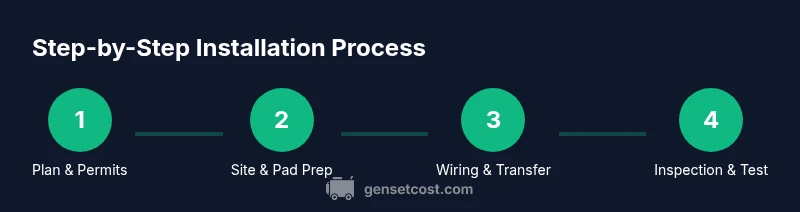
Steps
Estimated time: 4-8 hours
- 1
Check local requirements
Research your city or county rules, zoning, and permit needs. Contact the building department and discuss proposed setbacks, ventilation, and transfer-switch requirements. This upfront step prevents expensive rework later.
Tip: Ask for a written checklist from the inspector so you don’t miss a requirement. - 2
Select a compliant site
Choose an outdoor location with adequate clearance from doors, windows, and vents, and away from flood zones. Verify it’s accessible for service calls and fuel delivery, and that the surface will remain level over time.
Tip: Map the site using a simple sketch showing setbacks and access routes. - 3
Prepare the installation pad
Pour a level concrete pad or prepare a solid mounting base. Ensure drainage away from the house and protect nearby utilities from moisture exposure.
Tip: Use a compacted gravel base beneath the pad to improve drainage. - 4
Install mounting hardware
Place anchor bolts or a mounting frame, then secure them per manufacturer specs. Verify the base is level and stable before wiring.
Tip: Tighten bolts to manufacturer torque specs to avoid vibration. - 5
Run electrical connections
Route conduit from the generator to the transfer switch and main panel. Keep cables protected and clearly labeled. Have a licensed electrician verify the work.
Tip: Avoid sharp bends in conduit and protect wires from foot traffic. - 6
Install transfer switch and panel wiring
Connect the transfer switch to the generator and to the building’s electrical panel. Ensure proper grounding and adherence to code.
Tip: Double-check that automatic transfer switch timing matches generator startup behavior. - 7
Set up fuel and ventilation
Ensure safe storage and delivery of fuel; position vents and exhaust to minimize exposure to occupants. Check local rules on fuel storage limits.
Tip: Never store fuel inside the building or in enclosed spaces. - 8
Inspection and testing
Schedule and pass inspections. Perform a controlled test run to verify startup, transfer switch operation, and load handling.
Tip: Document test results and keep them with the installation records. - 9
Finalize and educate
Provide homeowners with operation instructions, maintenance schedules, and emergency contacts. Confirm warranty coverage and service plans.
Tip: Create a simple one-page guide for quick reference.
People Also Ask
What is the safest outdoor location for a generator?
The safest outdoor location is a dry, well-ventilated area with ample clearance from doors, windows, and vents, on a level surface. It should be accessible for maintenance and away from flood-prone zones. Always follow local codes and manufacturer recommendations.
Choose a dry, well-ventilated outdoor spot with clear access and follow local codes.
Is a transfer switch required for every installation?
Yes. A transfer switch isolates the generator from the home electrical system, preventing backfeed and enabling safe automatic or manual operation. It’s typically required by code for safety and reliability.
Yes—install a transfer switch to safely connect the generator to your home.
Can I install a generator indoors to save space?
Indoor installations are generally not recommended due to exhaust and CO risks. Outdoor locations with proper enclosure and venting are preferred, and some indoor setups require specialized ventilation and permits.
Avoid indoor installs; focus on outdoor placement with proper ventilation and permits.
How much does installation typically cost?
Installation costs vary widely based on site conditions, permits, and labor. Expect a broad range from basic electrical work to full outdoor setup, with total costs depending on the chosen equipment and local requirements.
Costs vary; plan for a broad range and factor in permits and labor.
What maintenance is needed after installation?
Regular maintenance includes periodic startups, inspecting connections, testing the transfer switch, and checking fuel and battery systems. Schedule annual professional inspections and more frequent checks after severe weather.
Perform regular startup tests and annual professional inspections.
What safety steps should homeowners take?
Keep a clear area around the generator, store fuel safely, and never attempt DIY electrical work beyond your training. Use PPE during installation and follow all safety warnings from the manufacturer.
Stay safe: keep the area clear, store fuel properly, and follow professional guidance.
Watch Video
Key Takeaways
- Verify local codes and permit requirements before starting
- Choose a compliant outdoor location with proper clearances
- Prepare a solid, level concrete pad
- Use a dedicated transfer switch for safe switching
- Test the system and schedule inspections