Where to Install a Generator Transfer Switch: A Practical Guide
Learn where to install a generator transfer switch, with placement options, code considerations, and safety tips to plan a compliant, reliable home backup system.


According to Genset Cost, to install a generator transfer switch, place it next to your main service panel or inside the electrical room where wiring is accessible. Choose a switch rated for your generator’s amperage, and confirm local codes and permit requirements before work. A properly located switch keeps circuits isolated and ensures safe, automatic power transfer during outages.
Where a transfer switch belongs in your electrical system
A generator transfer switch is a device that sits between your utility service entrance and the circuits it serves. Its primary purpose is to isolate critical circuits when the generator starts, preventing backfeed that could endanger utility workers or damage equipment. In most homes, the switch connects to a main panel or a subpanel and is wired to divert selected circuits away from the grid during an outage. For safety and reliability, install the switch as close as practical to the main panel and in a location that allows clean wiring routes, short conductor runs, and easy access for testing and maintenance. It should be sized to match the generator and the load it will support. Proper placement reduces voltage drop and makes the transfer action predictable. When planning placement, consider line of sight to the generator, cabinet ventilation, and available space for future expansion. This framing helps homeowners and property managers plan a clean, code-compliant installation with room for maintenance.
Placement considerations: inside vs outside the main panel
Choosing where to install the transfer switch depends on your home's layout, climate, and local codes. An inside installation near the main panel provides the cleanest wiring path and best protection from weather, but you must allow for ventilation and room to work. Outdoor or weatherproof enclosures are useful in harsh climates, yet they require weather-rated units and additional clearance around the enclosure. In all cases, the switch should be accessible, not blocked by storage or furniture, and it should be clearly labeled. If the switch is inside, ensure the area is dry and free of flammable materials; if outside, ensure a secure, code-compliant enclosure and appropriate grounding methods. Plan for ease of access to the generator, power cord routing, and future service if parts need replacement.
Types of transfer switches and selection guidelines
There are several configurations: manual transfer switches, automatic transfer switches (ATS), and combinations with main breakers. A manual transfer switch requires the operator to transfer loads, while an ATS detects power loss and switches automatically. For most homes, a four-pole ATS that handles both 120/240V circuits is ideal, as it accommodates essential circuits and full generator output. When selecting, match the switch rating to your generator’s amperage, count the number of critical circuits to protect, and verify compatibility with your panel brand and model. Consider whether you want a service-entrance interlock or a standalone transfer switch with dedicated lugs. Always review the technician’s notes and the device’s listing to ensure proper fit.
Code, permits, and safety basics
Local codes govern placement, wiring, and permits. Before buying equipment, check for permits, whether your jurisdiction requires inspections, and the required electrical disconnect standards. NEC guidelines often emphasize that backfeed devices must be installed by qualified personnel and that equipment must be listed and labeled for residential use. Safety measures include powering down the main breaker before work, using proper lockout/tagout procedures, and avoiding work on panels that are hot. If you are not fully confident, hire a licensed electrician to review your plan and handle final connections. Documentation matters, so save permit approvals and inspection records for future reference.
Wiring basics you should know before installation
A transfer switch interacts with the main panel by routing power to selected circuits. The wiring requires appropriately sized conductors, a dedicated feed from the generator, and proper grounding. Expect to run a multi-conductor cable from the transfer switch to the generator, using conduit or raceways as required by code. Ensure all neutrals are isolated from grounds in the subpanel configuration and that the main panel’s main breaker and the transfer switch interlock are wired correctly. Do not attempt to piggyback on existing circuits without a proper plan; incorrect wiring can create shock hazards, fire risk, and backfeed. Always follow the device manual and local code requirements, and consider professional review for high-load applications.
Planning and measuring: distance, clearance, and mounting
Measure the distance from the generator to the transfer switch, panel, and the route to the exterior if you plan an outdoor installation. Verify minimum clearance around the equipment for cooling and servicing; most manufacturers specify a few inches of clearance and unobstructed airflow. Decide whether you need a recessed or surface-mounted panel and determine if you require a backbox or weatherproof enclosure. Collect the necessary materials and confirm mounting hardware, screws, and supports. A well-planned layout reduces wiring complexity, minimizes voltage drop, and makes future maintenance easier. Include space for air circulation and access for testing.
Installation guidelines: mounting, wiring, and testing
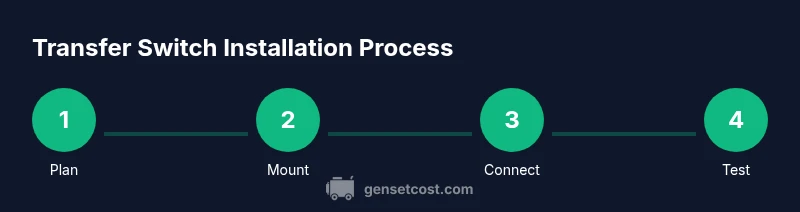
Start by turning off power at the main disconnect and verifying that the building is de-energized before you touch any wiring. Mount the transfer switch securely to a firm surface near the main panel, using manufacturer-provided mounting hardware. Route conductors from the generator to the switch and from the switch to the main panel, securing them in approved conduits and using electrical boxes with proper knockouts. Connect the neutral and grounding conductors as specified by the device documentation, and install the interlocks or breakers according to the manual. Once wired, restore power and perform a controlled outage test, observing all safety precautions. If you notice overheating, tripping breakers, or unusual smells, shut down immediately and consult a professional. Document everything for future maintenance and repairs.
Common mistakes and how to avoid them
Common errors include backfeeding a receptacle, bypassing a proper transfer device, undersizing conductors, and failing to label circuits. Another frequent issue is mounting a switch in a location with restricted airflow or accessibility. Avoid assuming the main panel can be reconfigured without a proper plan; instead, follow the device instructions and local code requirements. Always verify permit status and keep documentation handy. A cautious approach with thorough testing reduces downstream failures and enhances system reliability.
Tools & Materials
- Voltage tester (non-contact preferred)(Essential for verifying power is off before touching panels)
- Measuring tape(Used to confirm clearance and routing paths)
- Screwdrivers set (Phillips and flat)(For mounting hardware and panel screws)
- Pliers and wire strippers(Needed for conductor trimming and insulation work)
- Conduit, straps, and clamps(For safe, code-compliant wiring runs)
- Lockout/tagout kit(Protects workers during service and testing)
- Transfer switch kit (manual or ATS)(Ensure it matches generator amperage and panel type)
- Weatherproof enclosure (if outdoor)(Only if outdoor installation is chosen; provides protection)
- Electrical permit documents(Check local requirements and scheduling for inspections)
Steps
Estimated time: 2-6 hours
- 1
Assess power needs and select the switch
Review your essential circuits and determine peak load. Match your transfer switch to the generator’s amperage and the number of circuits you want to back up. Consider future needs and panel compatibility.
Tip: Document which circuits are critical so you can plan a focused transfer list. - 2
Check codes and obtain permits
Consult local electrical codes and your utility’s requirements. Secure any necessary permits before ordering equipment to avoid delays or failed inspections.
Tip: Keep a copy of permits and inspection approvals with the project files. - 3
Plan a practical location
Measure distances to the main panel and potential generator locations. Ensure adequate clearance for ventilation and service access, and decide indoor vs outdoor enclosure needs.
Tip: Choose a location with clear labeling and room for future maintenance. - 4
Power down and secure the work area
Shut off the main disconnect and use lockout/tagout procedures. Verify zero voltage at the worksite before removing or adjusting any panels.
Tip: Have a second person nearby to assist in emergencies. - 5
Mount the transfer switch
Attach the switch to a sturdy surface near the main panel, following the manufacturer’s mounting hardware. Ensure it is level and accessible.
Tip: Avoid mounting behind doors or in cramped spaces that hinder testing. - 6
Run and connect wiring
Route conductors from the generator to the switch and from the switch to the main panel using approved conduits. Connect neutrals and grounds per instructions and secure all connections.
Tip: Double-check conductor sizing and labeling for each terminal. - 7
Test and verify
Restore power and perform a controlled outage test. Verify that circuits disconnect when power is lost and re-energize when power returns. Label each circuit clearly.
Tip: If you observe tripping or heat, shut down and reassess or hire a pro.
People Also Ask
What is a transfer switch and why is it needed?
A transfer switch safely switches electrical loads from the utility to a generator during an outage, preventing backfeed and protecting workers and equipment. It ensures only one power source feeds the panel at a time.
A transfer switch safely switches to your generator during an outage, preventing backfeed and protecting people and equipment.
Where should the transfer switch be installed relative to the main panel?
Install the transfer switch adjacent to the main service panel or in a nearby electrical room with clear access. The goal is short conductor runs, proper cooling, and easy maintenance while meeting code requirements.
Install adjacent to the main panel or in a nearby room with good access and correct clearance.
Can I install a transfer switch myself?
While some skilled homeowners can manage non-live wiring, most jurisdictions require a licensed electrician for the final connections and permit compliance. Always verify local rules before proceeding.
Final connections and permits usually require a licensed electrician; check local rules first.
What amperage rating do I need for my transfer switch?
Choose an amperage rating that matches your generator and your critical load requirements. The switch should handle the generator’s output without overloading circuits, and it should fit your main panel’s capacity.
Match the switch to your generator’s amperage and your panel capacity.
What are common mistakes to avoid?
Avoid backfeeding, undersized wires, and improper labeling. Don’t bypass the transfer switch or install in a cramped space. Always follow the manufacturer’s instructions and local codes.
Avoid backfeeding and undersized wiring; follow instructions and codes.
Watch Video
Key Takeaways
- Plan placement with accessibility, ventilation, and future needs in mind.
- Choose an ATS or manual transfer switch that matches generator output.
- Verify permits and follow local codes before wiring.
- Engage a licensed electrician for final connections and inspections.
- Test thoroughly after installation and label all circuits.