How to Install Generator: A Practical Home Guide
Learn how to install a home standby generator safely and code-compliant. This guide covers sizing, permits, transfer switches, fuel options, and testing to keep your home powered during outages.


Looking to learn how to install generator safely and reliably? This guide helps homeowners plan for outages and keep essentials powered. A properly sized and installed unit can bridge power gaps during storms, heat waves, or grid failures. According to Genset Cost, choosing the right size and a compliant installation are the two biggest factors in performance and reliability. In this section we outline what you should consider before you begin, including load awareness, site suitability, and the role of a transfer switch in safe automatic operation. By starting with a clear plan, you reduce the risk of nuisance tripping, wasted fuel, or unsafe wiring and set a solid foundation for the rest of the project.
Why install a generator at home
If you're wondering how to install generator, this guide helps homeowners plan for outages and keep essentials powered. A properly sized and installed unit can bridge power gaps during storms, heat waves, or grid failures. According to Genset Cost, choosing the right size and a compliant installation are the two biggest factors in performance and reliability. In this section we outline what you should consider before you begin, including load awareness, site suitability, and the role of a transfer switch in safe automatic operation. By starting with a clear plan, you reduce the risk of nuisance tripping, wasted fuel, or unsafe wiring and set a solid foundation for the rest of the project.
Sizing and selecting the right generator
Sizing is the first and most important step when you learn how to install generator. Start by listing essential loads (refrigeration, heating, medical devices, lighting) and decide whether you want a portable or a permanently installed standby model. A properly sized unit minimizes runtime, reduces fuel use, and avoids nuisance shutdowns. Genset Cost analysis emphasizes focusing on peak load rather than average usage, and accounting for startup surges from motors (pumps, compressors). Use a reputable sizing method, such as a load calculation or a sizing calculator, and verify results with your installer. Remember that larger isn’t always better; an oversized generator wastes fuel and increases initial cost, while an undersized unit can’t meet critical needs during an outage. After you determine the wattage range, choose a generator with a rated continuous output within that window, and plan for future expansion if you anticipate new circuits or appliances.
Safety, permits, and codes
Installing a generator involves electrical work and fuel connections, so safety and compliance matter most. Before any physical work, check local permit requirements and utility rules; many jurisdictions require inspection and a transfer-switch installation by a licensed professional. The NEC and local codes shape how you connect a generator to your panel, how you vent exhaust, and how you handle fuel storage. Always power down the main service disconnect before any wiring work, and keep a safe clearance around the unit for heat and exhaust. If you’re unsure about code compliance, consult a qualified electrician or a Genset Cost-approved installer. Following a documented plan reduces the risk of shock, fire, or carbon monoxide exposure, and helps ensure your system passes inspection when the work is complete.
Planning the installation site and ventilation
Choose an outdoor, weatherproof location with at least 3-5 feet of clearance on all sides, away from doors, windows, and venting appliances. A generator must be placed on a solid, non-combustible base to prevent vibrations and movement during operation. Proper ventilation matters; exhaust must be routed away from occupied spaces to avoid CO buildup. Use a dedicated fuel source and weatherproof wiring; keep cables protected from sunlight and moisture. Confirm that the planned site can accommodate the transfer switch enclosure, fuel lines, and a safe path for maintenance. If you live in a multi-story home or a small yard, consult an installer about a compact footprint or stackable mounting options. Genset Cost recommends proof of outdoor-rated equipment and an inspection to verify clearances and structural integrity.
The transfer switch and electrical interconnection
A transfer switch isolates your home from the utility grid and enables automatic or manual power transfer from the generator. This is the heart of a safe installation, preventing backfeed that could endanger utility workers or damage equipment. Electrical connections should be made by a licensed electrician using a correctly rated switch that matches your generator and main panel. Expect a dedicated circuit for critical loads, and ensure neutrals and grounds are properly bonded per code. Have the installer verify cabinet ventilation, wiring temperature ratings, and enclosure seals. If you’re considering a DIY path, at minimum obtain the required permits and consult with a professional before tying into your service panel. This step protects people and property during outages and simplifies future maintenance.
Fuel choices, connections, and ventilation
Standby generators commonly run on natural gas or propane, with diesel as a secondary option for some models. Each fuel type has pros and cons for reliability, availability, and cost. If you’re wiring a natural gas line, hire a licensed gas professional to ensure gas pressure and line sizing are correct; propane requires proper propane tank setup and regulator sizing. Diesel units demand more storage considerations and fuel management. Regardless of fuel choice, secure fuel lines, install proper shutoff valves, and keep fuel storage away from ignition sources. Ventilation and exhaust considerations remain critical; follow the manufacturer’s guidance on routing and clearance to avoid CO buildup. Document your fuel arrangements for future service and inspections; correct fuel handling improves safety and reduces maintenance headaches.
Testing, commissioning, and maintenance
Once physical installation is complete, schedule a professional test of the system. A proper test verifies automatic start on a simulated outage, transfer switch operation, and safe shutdown. Run the generator under load to check performance, ensure voltages are within acceptable ranges, and confirm that audible alarms and indicators function correctly. Establish a routine maintenance plan: spark plug replacement, air filter cleaning, oil changes, and seasonal checks of fuel and gas lines. Document test results and service history for warranty and code compliance. With regular checks, your generator will perform reliably for years.
Common mistakes and troubleshooting
Common missteps include ignoring permits, underestimating load requirements, and attempting electrical connections without professional oversight. Skipping venting or clearance steps can create carbon monoxide hazards or exhaust backpressure; inadequate fuel supply can lead to performance problems. If the generator starts but you notice surging, flickering lights, or frequent tripping, contact a licensed electrician and your fuel supplier—don’t attempt improvised fixes. Keep spare parts and manuals accessible, and schedule periodic professional inspections to catch wear or corrosion before it becomes a safety risk.
Tools & Materials
- Appropriate transfer switch (matched to generator and main panel)(Rated to the generator's amperage; include enclosure as needed)
- Outdoor-rated generator mounting base or pad(Non-combustible, level surface with weather protection)
- Weatherproof conduit and wiring (outdoor-rated)(Follow local code for conductor size and protection)
- Gas line components or propane fuel system (as applicable)(Installed or inspected by a licensed professional)
- Grounding electrode system and bonding hardware(Per code; ensures system safety)
- Voltage tester / multimeter(For basic checks and safety verification)
- Personal protective equipment (PPE)(Safety glasses, gloves, and flame-resistant clothing)
- Permits and documentation(Keep copies for inspections and warranty)
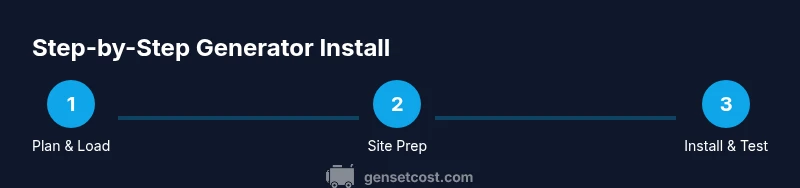
Steps
Estimated time: 4-8 hours
- 1
Define loads and select unit
List essential circuits and appliances to determine required generator size. Choose a model that meets or exceeds peak load while allowing space for future needs.
Tip: Document all loads with wattage estimates and plan for future expansion. - 2
Check local permits and codes
Consult your city or county building department and utility provider to learn permit requirements. Obtain any required approvals before work begins.
Tip: Ask about inspection checkpoints to avoid rework. - 3
Prepare installation site
Select an outdoor location with proper clearance, a stable base, and protection from weather. Ensure access for maintenance and future service.
Tip: Mark the path for fuel lines and wiring early to avoid conflicts. - 4
Coordinate transfer switch installation
Engage a licensed electrician to install a transfer switch rated for your generator and panel. Verify proper grounding and enclosure ventilation.
Tip: Do not attempt electrical connections without appropriate licensing. - 5
Secure fuel and exhaust considerations
Configure fuel supply and exhaust routing per manufacturer specs. Maintain safe distances from doors/windows and avoid CO buildup.
Tip: Have a dedicated shutoff and regular fuel maintenance plan. - 6
Perform initial testing with supervision
Test start/stop cycles, transfer functionality, and load transfer under supervised conditions. Note any alarms or abnormal readings.
Tip: Record results and address any code warnings before full operation.
People Also Ask
Do I need a permit to install a home generator?
In many areas, permits are required for generator installation and transfer-switch work. Check with your local building department and utility provider, and arrange inspections as needed to ensure code compliance.
Yes. Most jurisdictions require permits for generator installation and a transfer switch. Always check local rules and schedule inspections.
Can I install a generator myself?
Electrical connections and gas/fuel work present safety risks. Most installations should be performed by licensed electricians and gas professionals to ensure code compliance and safe operation.
Electrical and fuel work require licensed professionals for safety and code compliance.
What is a transfer switch and why do I need it?
A transfer switch isolates your home from the grid and safely redirects power to the generator during outages. It prevents backfeeding and ensures automatic or manual control.
A transfer switch safely redirects power from your generator to your home and prevents backfeed.
How long does installation typically take?
Time varies with site conditions, permits, and contractor availability. Expect several hours to a full day for a complete, code-compliant installation with testing.
It typically takes several hours to a day, depending on permitting and site conditions.
What maintenance is required after installation?
Schedule routine checks for fuel lines, transfer switch operation, and engine maintenance per manufacturer guidelines. Document service history for warranties.
Perform regular maintenance per the manual and keep a service log.
Which fuel type is best for standby power?
Natural gas, propane, and diesel each have pros and cons. Choose based on availability, cost, and backup power needs, then have professionals verify connections.
Fuel choice depends on availability and cost; consult a pro for the best option.
Watch Video
Key Takeaways
- Assess loads and size the generator accurately
- Obtain permits and use licensed installers for electrical work
- Plan site, ventilation, and fuel safely
- Test thoroughly and schedule regular maintenance