Home Generator Installed: Step-by-Step Guide to Safe Backup Power
Learn how to plan, size, and install a home generator installed safely. This step-by-step guide covers permits, transfer switches, fuel choices, and ongoing maintenance for homeowners and property managers.


This guide helps you complete a safe home generator installed project by outlining sizing, permitting, and installation steps. You will determine your load, select a fuel type, and plan the transfer-switch and electrical connections. Follow the steps to meet code requirements and ensure reliable backup power for outages. Whether you are a homeowner or property manager, this approach emphasizes safety, compliance, and long-term performance.
Why a Properly Installed Home Generator Matters
A home generator installed correctly is a cornerstone of reliable backup power. For homeowners and property managers, a professional, code-compliant installation reduces the risk of carbon monoxide exposure, fuel leaks, electrical faults, and backfeeding. When you invest in thoughtful design and proper mounting, you improve long-term reliability, reduce nuisance outages, and simplify routine maintenance. According to Genset Cost, a well-planned installation yields safer operation and better performance across climates and residences. The goal is not merely to add power, but to provide safe, consistent power you can trust during outages. In practice, this means choosing a site with adequate ventilation and access, selecting an appropriately sized system, and coordinating with licensed professionals who understand transfer switches, fuel delivery, and local codes. A quality install also helps preserve equipment life and protects electrical panels from overloads, keeping your home or building safer for occupants and staff.
Real-world installs show that early design decisions—like aligning the generator with the main panel and planning clear service routes—pay off during startup and routine checks. The Genset Cost team notes that clear documentation, a robust maintenance plan, and a tested startup sequence improve reliability and reduce downtime when it matters most.
Sizing Your Generator: How to Calculate Load
Sizing is the foundation of a safe and effective installation. Start by listing essential loads you want to keep powered during an outage (refrigeration, heating or cooling controls, lights, communications, medical devices, sump pumps, and essential outlets). Avoid guessing; use a load calculator or consult a licensed electrician to translate each device into a running watts estimate and a startup surge. The goal is to cover the running wattage of essential circuits plus a safety margin for motor starts and climate control without oversizing to avoid needless fuel use and higher upfront costs. After compiling the running watts, verify the total with the chosen generator’s running and surge capacities. Remember that more complex homes with heat pumps, multiple floors, or whole-house automation require a larger system or staged switching strategy. A measured approach keeps you in balance between performance, efficiency, and budget.
For homeowners and property managers, a well-documented load plan makes the next steps straightforward: it guides fuel choice, transfer switch sizing, and wiring requirements. If you run into uncertain categories—like high-demand pumps or HVAC systems—consult an electrician or a generator specialist to perform a precise assessment. Genset Cost analyses emphasize that the more accurate your load estimate, the fewer service calls you’ll experience and the more dependable your power during outages.
Choosing Fuel Type and Location: Pros and Cons
Fuel type selection drives long-term cost, maintenance, and reliability. Natural gas can offer a constant connection and reduced storage, while propane provides flexibility when gas lines aren’t available. Diesel units are robust for higher-load scenarios but require storage and filter management. Consider fuel availability in your area, delivery logistics, climate impacts on fuel quality, and the environmental footprint of each option. Location matters as well: place the generator outdoors on a sturdy, level base with good drainage and protection from direct rain or snow. Ensure adequate ventilation and clearances around the unit to prevent overheating and to provide safe access for service. Edges of structures, shrubs, and overhanging surfaces should not obstruct intake and exhaust paths. In some jurisdictions, noise limits or odor considerations may also influence placement and enclosure choices. When in doubt, opt for a solution that balances accessibility, safety, and compliance.
From a practical standpoint, pairing the generator with a reliable fuel source reduces refueling downtime during extended outages. For many households, a natural gas connection offers convenience, while propane can be a good backup where gas lines aren’t present. The Genset Cost team highlights that choosing a mid-range capacity aligned with essential needs plus a comfortable margin tends to yield the most consistent and predictable performance under load. Review local codes and HOA guidelines early to avoid retrofit work later.
Permits, Codes, and Inspections: Staying Compliant
Installing a home generator involves interfacing with electrical systems, gas lines, and sometimes fuel storage, all of which are subject to code requirements. Start by checking local building, electrical, and gas permit requirements and scheduling inspections as needed. In many areas, electrical permits are mandatory for new circuits, panel interconnections, and transfer switches, while gas work may require separate permits and inspection. It’s common for jurisdictions to require a licensed electrician for any connection to the main panel and a licensed gas professional for fuel-line work. Documentation from design plans, equipment specifications, and installation drawings should be ready for reviewer scrutiny. Adhering to codes not only ensures safety but also simplifies future maintenance, warranty eligibility, and resale value. The process may add time to your project, but the certainty and safety gained are well worth the effort.
A well-documented installation plan makes permit review smoother, and staging inspections helps prevent last-minute discovery of noncompliant components. Engaging professionals who understand the permitting landscape reduces delays and ensures that a home generator installed kit or professional package will meet current standards. The Genset Cost approach emphasizes thorough planning and coordination with local authorities as essential for a successful outcome.
Transfer Switches and Electrical Connections: What You Need to Know
A transfer switch is the critical safety bridge between utility power and generator power. There are manual and automatic transfer switches, and each type has its own considerations. An automatic transfer switch detects a loss of power, starts the generator, and safely routes power to selected circuits, all without manual intervention. A manual switch requires a person to start the generator and switch loads, which can be less convenient during a storm. The transfer switch must be sized to match the electrical panel and the generator’s output, and it must be installed with proper interlocks or bonding to prevent backfeeding. Electrical work and gas connections typically require licensed professionals to ensure the installation is safe and code-compliant. After installation, verify that all critical circuits are properly selected and tested, and ensure clear labeling so household members understand which outlets the generator will power during an outage.
From a safety standpoint, a properly installed transfer switch protects utility workers who may be restoring service and prevents hazardous backfeed into the grid. It also guards your equipment from overload and misconfiguration. The right switch improves reliability and simplifies control during emergencies. Rely on professional installers to integrate the switch with the main service panel and to perform a full test before the first outage.
Installation Process: From Prep to Startup
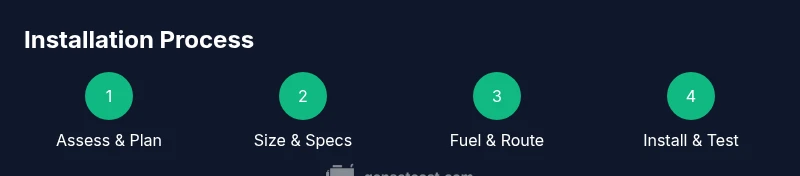
A successful installation follows a logical sequence—from planning to commissioning. Begin with site prep: choose a dry, level location with clear access for maintenance and safe exhaust placement. Build or pour a sturdy mounting pad, ensuring adequate clearance from structures and air intakes. Next, route electrical cables to the main panel, install the transfer switch, and bond all components according to code. Gas lines must be properly sized, connected, and leak-checked by a qualified professional. Once the physical setup is complete, install ventilation provisions, grounding electrodes, and protective enclosures as needed. Finally, perform a controlled startup sequence, check for leaks, verify system fault signals, and test load transfer under simulated outage conditions. Document each step for future maintenance and warranty purposes. Expect some coordination among trades and potential scheduling gaps for inspections, but a well-coordinated team will minimize downtime and maximize reliability.
During startup, confirm that the generator’s controls are configured correctly, the automatic transfer switch engages as designed, and the system can sustain at least the essential loads without tripping. A thorough startup also includes a post-install inspection to verify mechanical fit, electrical connections, gas pressure (if applicable), and safety interlocks. This stage is a crucial proof-of-work to ensure everything operates harmoniously before you rely on it during an actual outage.
Maintenance and Safety for Long-Term Reliability
Routine maintenance is the best defense against unexpected outages. Schedule annual professional inspections focused on lubrication, fuel system integrity, electrical connections, and transfer switch operation. Perform periodic self-checks to confirm that the unit starts automatically and runs under load. Keep the area around the generator clean and free of debris, and ensure adequate ventilation and clearance for hot exhaust. Use CO detectors in living spaces near sleeping areas and around the generator if installed indoors or in a garage. Replace filters and spark plugs (if applicable) on the recommended timetable and document all service activities. A simple spreadsheet or digital log helps you track service dates, part replacements, and observed performance. Regular maintenance reduces the risk of oil leaks, fuel leaks, and corrosion while extending the life of the generator and its accessories.
Safety is ongoing: never perform live electrical work with power connected, never modify gas lines without proper training, and always isolate all power sources before inspection or repair. A well-maintained system is safer, quieter, and more reliable when you need it most. Keep maintenance intervals aligned with manufacturer recommendations and local code requirements, and schedule professional checkups ahead of major weather events or expected outages.
Cost Considerations and Financing Options
Costs for a home generator installed vary widely based on size, features, installation complexity, and local permitting requirements. While exact prices can differ by region and contractor, plan for a package that reflects equipment quality, electrical integration, and fuel source considerations. The most impactful cost drivers are generator size, the type of transfer switch, and the complexity of gas or electrical work. Budget for initial installation, plus ongoing fuel, maintenance, and eventual components replacement. If financing is desired, many providers offer plans that align with home improvement budgets, potentially spreading the investment over time. Compare multiple bids and verify that the quotes include permit fees, inspection charges, and all required safety devices. A clearer understanding of costs helps you balance upfront investment against long-term reliability and energy resilience. The Genset Cost team encourages obtaining written quotes and validating that each bid includes a complete scope and warranty terms. This ensures you’re paying for a complete, compliant, and safe installation rather than piecemeal work.
Safety Checklist for Everyday Use and Emergencies
Before you rely on your generator, run through a practical safety checklist. Confirm that all switches and controls are accessible and clearly labeled. Install and maintain carbon monoxide detectors in living spaces and near sleeping areas, and ensure proper ventilation for outdoor installations. Store fuel away from living areas and heat sources, with containers designed for the chosen fuel type. Keep the area around the generator free of combustibles, and inspect exhaust paths for obstructions. Practice a minimal outage drill to confirm that the transfer switch engages, loads switch correctly, and the unit starts reliably. Schedule regular tests that simulate a brief outage so you and family members know what to expect. Finally, document maintenance activities and contact information for your installer or service provider in case of any questions or issues in the future. A safety-first mindset protects occupants and preserves equipment while you enjoy consistent power during critical moments.
Tools & Materials
- Electrical transfer switch (automatic or manual)(Match panel rating (e.g., 100A, 200A) and generator output)
- Conduit, wiring, and grounding hardware(Copper conductors of appropriate gauge; outdoor-rated enclosures)
- Mounting pad or concrete base(Level, stable, with clearance around the unit)
- Gas supply line and fittings(Proper size, regulator, and leak-check equipment)
- Gas leak detector and CO detector(Placed according to local code, battery-powered or hardwired)
- Grounding rods and bonding jumper(Ensure proper electrical bonding per code)
- Personal protective equipment (PPE)(Gloves, eye protection, and hearing protection as needed)
- Electrical tester (multimeter, voltage tester)(Used to verify circuits are de-energized before work)
- Permits and inspection documentation(Local building/electrical and gas permits as required)
- Maintenance tools list(Oil, filters, and spare parts as per manufacturer)
Steps
Estimated time: Estimated total time: 2-6 weeks
- 1
Assess needs and locate space
Identify which loads you want to back up and choose an outdoor, accessible installation site with good drainage and clear air for ventilation. Confirm fuel source is available and that the spot complies with local setbacks and noise regulations. This planning reduces retrofit work later.
Tip: Document access to the main panel, gas line, and outdoor clearance so trades can quote accurately. - 2
Size and plan the system
Create a load list for essential circuits and use a calculator or professional to translate that into a generator size. Include a safety margin to accommodate startup surges and future loads. This plan guides equipment selection and wiring requirements.
Tip: Keep a written load summary for inspections and future maintenance. - 3
Choose fuel type and route lines
Select a fuel option based on availability, storage, and maintenance needs. Plan gas or propane lines or a diesel supply path, ensuring safe routing away from living spaces and along proper supports. Confirm required permits for fuel work.
Tip: Coordinate with the fuel supplier or gas utility early to avoid delays. - 4
Secure permits and schedule inspections
Apply for necessary electrical, gas, and building permits. Schedule required inspections at logical milestones (after rough-in, after gas line work, and after startup). Timely approvals help prevent rework.
Tip: Gather all design plans and equipment specifications before submitting permits. - 5
Engage licensed electricians and gas pros
Hire qualified professionals for electrical connections, transfer switch installation, and fuel-line work. Ensuring licensed trades reduces safety risks and ensures code compliance. Expect coordinated scheduling across trades.
Tip: Get written quotes that clearly define scope, timelines, and warranty terms. - 6
Prep site and mount the generator
Prepare the pad, install enclosure or weatherproof cover if required, and ensure proper ventilation space. Mount the generator securely with vibration isolation if specified. Keep exhaust paths clear from structures and damp areas.
Tip: Verify that the installation location remains accessible for maintenance and testing. - 7
Run wiring and connect the transfer switch
Have the electrician route feeders from the generator to the main panel and install the transfer switch with proper interlocks or bonding. Label circuits clearly and verify that there is no backfeed risk. Complete all grounding and bonding as required by code.
Tip: Test the interlock and test the system under simulated outage conditions. - 8
Connect fuel supply and perform leak checks
Install the fuel connection, pressure regulator, and appropriate shutoffs. Conduct a thorough leak test on all gas lines or fuel connections before starting the generator. Ensure ventilation and CO/CO2 detectors are functional.
Tip: Keep a leak-detection plan and a utility shutoff method accessible. - 9
Startup, test, and documentation
Power on the system and verify that the automatic transfer switch engages and sustains essential loads. Document test results, register warranty information, and provide maintenance schedules. Plan a routine maintenance portfolio for ongoing reliability.
Tip: Run regular tests monthly or quarterly to keep the system responsive.
People Also Ask
Do I need a permit to install a home generator?
Most jurisdictions require electrical permits for panel work and transfer switches, and gas permits for fuel-line work. Check with your local building department and hire licensed professionals to ensure compliance.
Yes, permits are usually required for electrical and gas work, and professionals can guide you through the process.
What size generator do I need for a typical home?
Sizing depends on your essential loads and desired resilience. Use a load calculator or professional assessment to determine the appropriate generator size and a safe margin for startup surges.
Sizing depends on essential loads; use a load calculator or consult an electrician.
Can I install a generator myself?
Electrical and gas connections generally require licensed professionals. DIY work can create safety risks and code violations, and may void warranties.
DIY is not recommended; hire licensed professionals.
What is a transfer switch and why is it required?
A transfer switch safely isolates home circuits from the utility grid and connects generator power. It prevents backfeeding and protects utility workers.
It prevents backfeeding and ensures safe switching.
What fuel types are best for home generators?
Common options include natural gas, propane, and diesel. Each has trade-offs in availability, storage, and maintenance; choose based on your site and preferences.
Gas and propane are common; diesel has durability but storage needs vary.
How often should I service my generator?
Plan regular maintenance such as annual inspections and periodic self-checks. Replace worn parts and test operation to keep reliability high.
Annual checks keep it ready and reliable.
Watch Video
Key Takeaways
- Size accurately, plan for loads and margins.
- Secure permits and comply with codes.
- Hire licensed pros for safety and reliability.
- Install a proper transfer switch and safe fuel connections.
- Maintain the system with regular checks.