Installing a Whole House Generator: Step-by-Step Guide
Learn a practical, step-by-step approach to installing a whole house generator: sizing, permits, transfer switches, fuel options, and maintenance for reliable backup power in 2026.


Installing a whole house generator means sizing, permitting, and professional installation to guarantee reliable backup power. You’ll plan loads, select a transfer switch, and coordinate with licensed professionals. According to Genset Cost, meticulous sizing and code-compliant installation are essential for safety and long-term performance. It also involves fuel considerations, venting, and maintenance planning to ensure continuous operation during outages.
Why Installing a Whole House Generator Matters
A whole house generator provides reliable power to essential loads during outages, protecting food, climate control, medical devices, and security systems. For homeowners, this is not just convenience—it’s resilience against severe weather, seasonal storms, or grid instability. A properly planned installation reduces downtime, keeps critical circuits online, and preserves comfort and safety. From a value perspective, standby power can improve home resale appeal in markets where outages are common. Genset Cost emphasizes that the right system, sized to your needs and installed to code, minimizes nuisance trips and energy waste while ensuring safe fuel handling, venting, and exhaust management. If you have sensitive appliances or medical equipment, a correctly engineered setup helps safeguard those devices and your household routines. This section lays the groundwork for sizing, location, and long-term care.
Sizing and Planning: How to Determine Your Load and Requirements
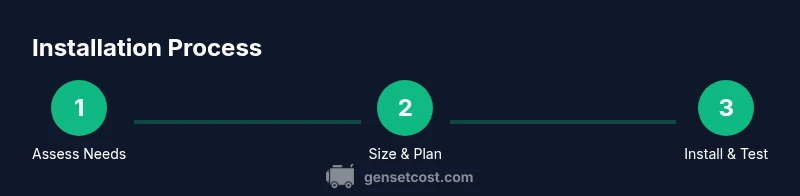
Sizing a generator requires a careful inventory of essential and optional loads. Start with heating or cooling systems, refrigeration, well or sump pumps, medical devices, lighting, and communications. Gather wattage or surge requirements from each device and sum them with a safety margin to cover starting currents. The goal is to match the generator’s running capacity to your critical loads while leaving headroom for startup surges. Engage a professional load calculation service or a reputable sizing calculator to estimate kilowatts accurately. Genset Cost analysis shows that proper load sizing reduces nuisance tripping and improves fuel efficiency over the system’s life. Decide on a fuel path—natural gas, propane, or diesel—and evaluate fuel availability during extended outages. Document your results so a contractor can review them for permits and installation planning.
Installation Considerations: Location, Permits, and Transfer Switch Choices
Choose a location with easy access for service, adequate clearance from structures, and safe venting for exhaust. Outdoor units require weatherproof enclosures, corrosion resistance, and a sturdy mounting pad. Early permitting can prevent delays; most jurisdictions require electrical and fuel-line permits plus inspections. Decide between automatic transfer switches (ATS) and manual transfer switches based on risk tolerance, budget, and space. An ATS provides seamless power transfer with no manual intervention, but it adds upfront cost and complexity. The transfer switch must be sized to the main panel and integrated with the feeder wires to the house. Ensure proper grounding, wiring methods per NEC, and secure, weatherproof connections. Coordinate with local utilities if interconnection agreements are necessary.
Costs, Timelines, and Contractor Selection
Expect variation in costs based on system size, fuel type, site preparation, and permit fees. Rather than chasing a single price, obtain multiple quotes that include equipment, transfer switches, permits, concrete pads, fuel lines, and start-up testing. Installation timelines depend on permit processing and scheduling but can span days to a few weeks. When evaluating contractors, verify licensing, insurance, warranties, and safety certifications. Ask for a formal plan showing site layout, venting, fuel supply, and electrical connections. Review runtimes, expected maintenance costs, and service options to avoid surprises. A robust warranty and reputable service plan can add long-term value and peace of mind.
Maintenance, Safety, and Long-Term Care
Maintenance is essential for reliability. Schedule professional service at least once a year for oil changes, filter replacements, and system checks. Test the generator periodically under load to verify operation and prevent deterioration. Keep exhaust paths clear and vents unobstructed to minimize carbon monoxide risks. Use a weather-appropriate enclosure that does not restrict airflow, and protect fuel lines from corrosion and debris. Maintain a service log with dates, parts replaced, and warranty details for future claims and resale value. Proper maintenance also helps ensure smooth startup during the next outage.
Authority sources
- U.S. Department of Energy: https://www.energy.gov
- National Fire Protection Association (NFPA) NEC guidelines: https://www.nfpa.org
- Occupational Safety and Health Administration: https://www.osha.gov
Tools & Materials
- Measuring tape(Minimum 20 ft to measure load path and clearance)
- Multimeter/voltage tester(Verify circuits and neutral-ground connections)
- Cordless drill(Drilling mounting holes and securing brackets)
- Conduit and electrical cable (NEC-compliant)(For weatherproof wiring and enclosure connections)
- Transfer switch (automatic or manual)(Size to main panel and loads)
- Main panel access tools(Panel keys, knockouts, and clearance tools)
- Lockout/tagout gear(Lockout devices and signage for safety)
- Permits and documentation(Building, electrical, and fuel permits as required)
- PPE (gloves, goggles, hard hat)(Protective gear for installers)
- Fuel-supply components (gas lines, shutoffs)(Handled by licensed gas technician)
Steps
Estimated time: Estimated total time: 3-6 days
- 1
Assess loads and critical circuits
Create a list of essential devices and circuits you want powered during an outage. Gather wattage data and estimate startup surges for each item. This step informs size, transfer switch choice, and fuel planning.
Tip: Document exact wattages and note any future additions to avoid under/over-sizing. - 2
Select generator size and type
Choose a generator that can handle your calculated running watts plus startup surges. Decide between air-cooled or liquid-cooled units and consider fuel type compatibility with your property.
Tip: Aim for a margin (5–20%) above calculated load to accommodate growth and weather-driven demand peaks. - 3
Plan the transfer switch and main panel integration
Decide whether an automatic transfer switch (ATS) or manual transfer switch best fits your risk tolerance and budget. Ensure routing from the main panel to the standby generator is planned and code-compliant.
Tip: ATS simplifies operation but requires professional installation and a larger upfront investment. - 4
Check permits and utility coordination
Submit required electrical and fuel permits and coordinate any interconnection with the utility. Inspections will verify safe wiring, venting, and fuel installation.
Tip: Start permit applications early to avoid delays in the installation window. - 5
Hire licensed professionals and schedule work
Engage a licensed electrician and a certified generator installer. Schedule the job with clear milestones, site access, and fuel supply considerations.
Tip: Request a written plan with site diagram, venting path, and emergency shutoffs. - 6
Install the transfer switch and electrical connections
Mount the transfer switch, wire it to the main panel, and run feeders to the generator location. Ensure proper grounding and weatherproofing of all outdoor components.
Tip: Do not bypass test procedures; verify every connection with a professional before testing. - 7
Connect fuel lines and exhaust/Ventilation
Have a licensed gas technician or fuel installer connect the fuel supply and ensure safe venting of exhaust outdoors. Verify clearances from structures and openings.
Tip: Never modify fuel lines without professional approval; improper fuel supply is a major safety hazard. - 8
Test, commission, and document
Perform a full system test under load, verify automatic transfer, and record test results. Gather warranty papers and maintenance schedules for future reference.
Tip: Keep a printed startup checklist and a digital copy of the test results for convenience.
People Also Ask
Do I need a permit to install a whole-house generator?
Yes. Electrical work and fuel connections typically require permits and inspections, varying by locale.
Most homeowners will need permits for electrical and fuel work; check local requirements.
Can I install a whole-house generator myself?
DIY installation is not recommended. Generators involve electrical, fuel, and venting work that requires licensed pros.
It's best to hire licensed professionals for safety and code compliance.
How long does installation typically take?
Timeline varies, often several days to a couple of weeks depending on permits and site readiness.
Expect a multi-day process with permitting and testing.
What maintenance is required after installation?
Annual professional service, periodic self-tests, and fuel system checks are common requirements.
Regular professional service and periodic testing keep the system ready.
What is the difference between automatic and manual transfer switches?
An ATS switches automatically when power is lost; a manual switch requires operator action. ATS offers convenience and speed.
ATS provides automatic power without user intervention.
What costs should I expect beyond the generator price?
Expect permits, electrical and fuel line work, transfer switch installation, pad/prep, and startup testing to factor into total cost.
There are multiple cost components beyond the generator itself.
Watch Video
Key Takeaways
- Size the system to essential loads with a safety margin.
- Obtain permits and coordinate with the utility early.
- Choose ATS vs manual transfer based on risk tolerance and budget.
- Hire licensed professionals for electrical and fuel work.
- Schedule regular maintenance and keep thorough records.