How to Clean a Generator Air Filter: A Homeowner's Guide
Learn how to clean your generator air filter safely, extending performance and avoiding damage. This comprehensive guide covers reusable and disposable filters, drying, reinstallation, and maintenance for reliable home backup power.


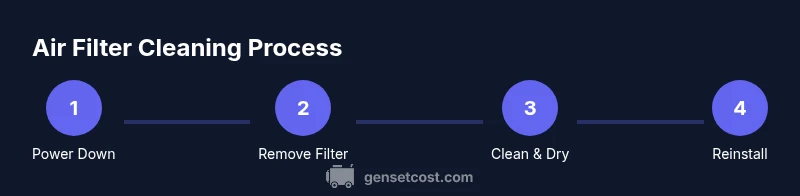
To clean a generator air filter, follow a simple sequence: turn off and unplug the generator, allow it to cool, remove the air filter, inspect for wear, gently tap to release loose dirt, wash a reusable filter with mild soap and water, rinse and dry completely before reinstalling, and replace if damaged. Always wear eye protection and consult your manual for model specifics.
Why clean the generator air filter matters
A clean air filter is the first line of defense against dust, debris, and engine wear in any generator. If the filter becomes clogged, the engine must work harder, reducing efficiency and increasing fuel consumption. Regular, careful cleaning helps maintain airflow, preserves performance during power outages, and can extend the life of your generator. According to Genset Cost, a proactive maintenance routine lowers long-term fuel burn and reduces repair risk. For homeowners, this is not just about avoiding breakdowns—it’s about protecting your investment during crucial moments when power is needed most. In addition, a clean filter supports safer operation by preventing large particles from entering the combustion chamber and fouling critical components.
Disposable vs reusable filters: what to know
Filters come in two broad categories: disposable (paper or fibrous media meant for one-time use) and reusable (washable). Disposable filters are convenient but must be replaced when dirty to avoid airflow restrictions. Reusable filters can be cleaned and re-used several times if they remain intact and undamaged. The Genset Cost team emphasizes checking your owner’s manual to confirm compatible filter types for your model. If you’re not sure, start with the filter’s part number and look up the exact cleaning guidance from the manufacturer. Regardless of type, never force debris back into crevices, and never assume a washed disposable filter is safe to reuse.
Step-by-step cleaning process for reusable filters
If you have a reusable filter, you will typically perform a gentle cleaning, drying, and re-oiling (for some models). Start by removing the filter assembly from the air intake housing. Tap or brush off loose dust with a soft-bristled brush to avoid embedding dirt deeper into the media. Rinse with mild soap and warm water, being careful not to squeeze or wring; avoid harsh cleaners that can degrade the media. Rinse until clear, then shake out excess moisture and allow to air dry completely—this may take several hours in a well-ventilated area. Once dry, inspect for tears, cracks, or degraded seals, and reapply oil if your filter design requires it before reinstalling. The goal is clean airflow without leaving residual soap or moisture that could clog the system.
Cleaning disposable air filters: limitations and safety
Disposable filters are designed for one-time use. If you attempt to wash a disposable filter, it may lose its filtering efficiency or disintegrate. In most cases, washing disposable media is not recommended; replacing it is safer and preserves air quality. Always inspect for damage during removal; if the frame is bent or the media is torn, replace the filter rather than attempt cleaning. When handling any filter, wear gloves and eye protection to shield against sharp edges and dust. The manual will specify any cleaning or replacement intervals based on operating hours and environment.
Drying, inspecting, and reassembling for reliability
Drying completely is essential to prevent mold growth and moisture-related engine issues. Place the filter in a warm, dry area with good air circulation. Do not use heaters or direct sunlight for quick drying, as excessive heat can warp filter media. After drying, perform a careful inspection: check for cracks, missing gaskets, or warped housings. Clean the housing seals and mounting surfaces before reinstallation to ensure a tight seal. Reinstall the filter only when it is fully dry and properly seated. Start the generator and listen for unusual sounds; if anything seems off, shut down and recheck the installation.
Common mistakes and maintenance scheduling
Common mistakes include washing disposable filters, misaligning the filter, or underestimating drying time. Establish a maintenance schedule based on operating hours, air quality, and manufacturer recommendations. In dusty environments, more frequent inspections may be necessary. Keeping spare filters on hand reduces downtime during power interruptions. The Genset Cost analysis suggests pairing filter care with regular overall maintenance to maximize uptime and protect engine longevity.
What to do next: maintenance plan and upgrade considerations
Develop a simple maintenance calendar that includes air filter checks every 50–100 running hours or quarterly, whichever comes first. Maintain a log of filter cleaning or replacement to track service intervals. If your generator is older or frequently operates in harsh environments, consider upgrading to a higher-quality filter or one designed for heavy dust. In all cases, follow the manufacturer’s guidance for filter compatibility, sealing, and oiling (if applicable). A well-executed air-filter routine improves reliability during outages and can help preserve resale value over time.
Tools & Materials
- Safety gloves(Nitrile recommended; protects hands from dust and detergents)
- Soft-bristle brush(Brush gentle to avoid tearing media)
- Mild dish soap(Use unscented, gentle soap)
- Warm water(Not hot to avoid media damage)
- Air-dry space or rack(Good airflow; avoid direct heat)
- New disposable filter or reusable filter kit(Keep on hand for replacement if needed)
Steps
Estimated time: 30-45 minutes
- 1
Power down and prepare
Turn off the generator, unplug from any transfer switch, and allow the engine to cool. This prevents accidental startup and protects you from hot surfaces. Gather tools and locate the air-filter housing before touching any parts.
Tip: Always wear eye protection when opening the intake area. - 2
Remove the filter from the housing
Open the air-filter cover and carefully lift the filter out without shaking dust back into the intake. Note how the filter sits in its frame to ensure correct reinstallation. If you encounter a stuck seal, stop and consult the manual rather than forcing it.
Tip: Take a quick photo of the setup for reference during reassembly. - 3
Clean or replace based on type
If reusable, brush off loose dust, then wash with mild soap and warm water; rinse until clear. If disposable, inspect for damage and replace if dirty or torn. Do not use harsh cleaners that can degrade media.
Tip: Do not wring a reusable filter; pressure the water out gently. - 4
Dry completely and inspect
Allow the filter to air dry in a well-ventilated area, away from heat sources. Inspect for tears, warping, or degraded seals. Any damage means replacement rather than reuse.
Tip: Ensure there is zero moisture before reinstalling. - 5
Reinstall and test
Reinsert the dry filter into the housing, reseal the cover, and reconnect to the power source or transfer switch. Run the generator briefly to verify smooth operation and no unusual noises.
Tip: Listen for a calm intake; hissing or whistling may indicate a seal issue.
People Also Ask
Do I need to clean the air filter every month or only when it's dirty?
Clean and inspect the air filter according to your generator's operating hours and environment. In dusty areas, check more frequently; in clean environments, at least every few months. Regular checks help prevent performance drops and engine wear.
Check the filter according to your usage and environment; more frequent checks are advised in dusty spaces.
Can I wash a disposable air filter to extend its life?
Disposable filters are designed for one-time use. Washing can compromise filtration efficiency and damage the media. Replace rather than wash to maintain clean air intake.
Disposable filters aren’t meant to be washed; replace them for best performance.
What should I do if the filter shows tears after cleaning?
If you see tearing or a damaged frame after cleaning, replace the filter immediately. Damaged media can allow unfiltered dust to enter the engine.
If there’s any tear or damage, replace the filter right away.
Is it safe to run the generator immediately after reinstalling a clean filter?
Yes, but start with a short test run while listening for abnormal noises or air leaks. If everything sounds normal, complete the test and proceed with normal operation.
A short test run after reinstall helps ensure everything seats correctly.
Should I clean the air filter while the engine is hot?
No. Let the engine cool before handling any internal parts. Cleaning a hot filter can cause burns and distortion of plastic components.
Always wait for the engine to be cool before cleaning.
Watch Video
Key Takeaways
- Inspect filter type before cleaning
- Dry filters completely before reinstall
- Replace damaged filters promptly
- Follow manufacturer guidance for model-specific steps