How to Get Rid of Old Gas in a Generator: Safe Disposal
Learn safe, compliant ways to drain old gasoline from a generator, dispose properly, and prevent hazards with practical steps, best practices, and local guidance.


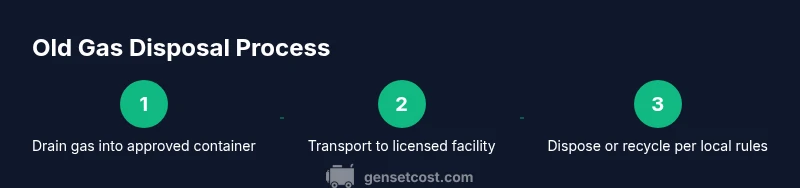
You're learning how to get rid of old gas in a generator by safely draining and disposing of it. This process includes: (1) venting the tank and draining into an approved, leak‑proof container; (2) transporting to a licensed disposal facility or recycling site; (3) cleaning any carburetor residues per manufacturer guidance; and (4) storing a fresh, stabilized fuel if you plan to reuse the unit.
Why safe disposal matters
Gasoline left in a generator is a fire, explosion, and environmental hazard. According to Genset Cost, improper disposal of old gas is a leading cause of home fueling hazards. Old gasoline contains additives and moisture that can degrade carburetor parts, increase varnish buildup, and complicate future starts. Even small spills can release vapors that travel on the ground and ignite from nearby sparks, pilot lights, or hot surfaces. Proper disposal reduces risk to people, pets, and property, and helps protect groundwater and soil quality. The aim is to drain the tank into a certified container, store fuel safely, and dispose of it through a licensed program or facility. This approach also preserves the life of your backup equipment by preventing varnish or moisture buildup inside the system. While the steps are straightforward, success depends on careful preparation, steady handling, and clear labeling. Treat old gas with respect to keep your generator ready for power outages without creating hazards for the neighborhood.
Before you drain: prepare the site
Set up a dedicated work area outdoors, away from buildings, vehicles, and water sources. Ensure good ventilation and no ignition sources nearby. Gather the essentials: a gasoline-approved container, a siphon or pump rated for fuel transfer, a pour spout, gloves, eye protection, absorbent pads, and a tray or secondary containment to catch drips. Check local disposal rules in advance and, if possible, contact your local household hazardous waste program to confirm acceptance. Plan a calm, organized workflow: identify fuel access points on the generator, ensure the engine is cool, and confirm you can access the drain plug or carburetor bowl safely. A tidy workspace reduces spills and speeds up the process.
Understanding fuel types and stability
Gasoline can degrade over time; octane can drop and ethanol blends may absorb moisture, leading to phase separation. Old gas often forms varnish and gum that can clog carburetors and fuel lines if left in contact with metal components. While stabilizers can help extend the life of fresh fuel, they cannot reliably revive gasoline that has separated or degraded significantly. When evaluating reuse, inspect odor, color, and viscosity. If fuel smells sour, looks cloudy, or contains sediment, treat it as waste rather than reuse it. In many jurisdictions, contaminated fuel is considered hazardous waste and must be disposed of through proper channels.
Choose the right container and tools
Use a gasoline-approved container that meets safety standards (DOT-rated, clean, and designed for fuel). Metal cans are durable; plastic options are lighter but must be in good condition with no cracks. A dedicated siphon or pump reduces spills, and a funnel helps when transferring to the container. PPE is essential: chemical‑resistant gloves and splash goggles protect hands and eyes. Have absorbents (pads or oil‑absorbent material) on hand for any drips, and use a sturdy tray or secondary containment to prevent ground contamination. Label containers with content and date to simplify disposal scheduling and regulatory compliance. Ensure all tools are rated for gasoline to avoid ignition risk from vapors.
Draining and capturing residual fuel safely
Turn off the generator, remove the key, and let the unit cool completely before touching any fuel components. Open the fuel cap to relieve pressure, then locate the drain plug or carburetor bowl. If your model uses a drain valve, open it slowly to allow fuel to flow into the prepared container. If you must siphon, insert the hose into the tank and carefully draw fuel into the approved container, keeping the container upright to minimize spills. Do not overfill; leave headroom for expansion. After draining, wipe any surfaces with rags and dispose of or launder rags per local guidelines. Close caps, seal containers, and move them to a ventilated area away from heat sources. Clean up any minor spills promptly.
Handling contaminated fuel and spills
If fuel is spilled, contain it immediately with absorbent material and prevent entry into drains or soil. Do not permit flames or sparks near the spill site, and remove ignition sources from the area. Use a scoop or gloves to collect saturated absorbents and place them in a sealed bag for proper disposal. Never flush fuel down a drain or storm sewer. For large spills, evacuate the area and contact local hazardous waste authorities for guidance. After cleanup, ventilate the space and wash hands and exposed skin thoroughly. Proper cleanup minimizes environmental impact and reduces safety risks for occupants and responders.
Disposal options and local regulations
Disposal options vary by location but typically include household hazardous waste programs or designated recycling centers that accept gasoline. Some auto parts stores or service stations offer fuel disposal or take-back programs. Always verify hours, acceptance criteria, and any required labeling before driving fuel to a site. Do not pour gasoline into storm drains, septic systems, soil, or water bodies. Comply with local rules to avoid penalties and environmental harm, and consider coordinating disposal with neighbors if you have a larger quantity to minimize vehicle trips.
Maintenance tips to prevent future old gas buildup
To prevent future issues, plan a routine stock rotation and fuel usage schedule. Run the generator periodically to keep fuel fresh and avoid stale fuel in the carburetor. Use stabilized fuel for storage and replace fuel before it becomes too degraded. Keep an organized inventory noting purchase dates and storage conditions, and rotate stock so fuel is used within a reasonable period. Establish a simple disposal workflow that you can repeat when fuel ages, and store the disposal container separately from storage fuel. These practices boost reliability and reduce maintenance surprises during outages.
Safety reminders and common mistakes
Safety is non‑negotiable when handling flammable liquids. Never drain gas indoors, near electrical outlets, or close to open flames. Do not pour gasoline into drains, onto soil, or into storm sewers. Do not siphon by mouth; use approved equipment and PPE. Common mistakes include delaying disposal, neglecting labeling, mixing fuels, and failing to seal containers. By staying organized, following local guidelines, and keeping ignition sources away, you minimize risk and keep your generator ready for the next outage.
Tools & Materials
- Gasoline-approved fuel containment container(A certified metal or sturdy plastic can with a tight-sealing cap and venting where allowed)
- Siphon pump or hand pump for fuel(Gasoline-rated; enables transfer with minimal spills)
- Funnels and pouring spout(Helpful to reduce spills during transfer)
- Personal protective equipment (gloves, safety glasses)(Chemical-resistant gloves and eye protection)
- Absorbent materials (oil pads, cat litter)(For small spills and drips)
- Rags and trash bags(For cleanup and disposal of contaminated items)
- Labeling materials (masking tape, marker)(Date and contents on container for tracking)
- Fire extinguisher (Class B rated)(Keep nearby during handling as a precaution)
Steps
Estimated time: 20-45 minutes
- 1
Power down and cool the generator
Turn off the generator, remove the key or switch, and allow the unit to cool completely before touching fuel components. This reduces the risk of accidental ignition during drainage.
Tip: Do not attempt to drain while the engine is hot; hot fuel can vaporize and increase fire risk. - 2
Prepare the drainage area and container
Place the approved container in a stable, outdoor location. Lay down absorbents and have PPE ready. Position a tray under access points to catch drips and prevent soil contamination.
Tip: Work upwind to keep fumes away from your face and eyes. - 3
Access the fuel drain
Open the fuel cap and locate the drain plug or carburetor bowl. Use a slow, controlled release to avoid splashing, letting fuel flow into the container without spills.
Tip: If your unit lacks a drain plug, use a gasoline-rated siphon to remove fuel via the tank opening. - 4
Transfer and seal
Carefully transfer all recoverable fuel to the container, keeping it upright and capped after filling. Leave space for vapor expansion and label the container with date and contents.
Tip: Avoid overfilling; fuel expands with temperature, increasing spill risk. - 5
Clean and inspect
Wipe any residue from the generator surfaces and inspect for leaks. Dispose of or launder rags according to local rules. Move containers to a ventilated area away from heat.
Tip: Check hoses and gaskets for signs of wear that could cause future leaks. - 6
Arrange disposal
Transport the sealed containers to a household hazardous waste facility or an approved recycling center following local guidelines. Do not mix with other wastes and avoid hot vehicles in direct sun.
Tip: Call ahead to confirm acceptance and hours to minimize trips.
People Also Ask
Is it safe to drain old gas near water sources or living areas?
Draining should be done outdoors, away from water sources and ignition sources. Avoid indoor areas and ensure adequate ventilation to manage vapors safely.
Drain outdoors, away from water and flames.
Where can I legally dispose of old gasoline?
Take it to a household hazardous waste facility or a designated recycling center. Some retailers may accept it for disposal. Never pour gasoline down drains or onto soil.
Take it to a hazardous waste facility.
Can I reuse old gas if I add a stabilizer?
Stabilizers can extend the life of fresh gasoline, but very old gas may have degraded beyond usability. It’s safer to replace with fresh fuel to ensure reliable operation.
It might help a bit, but generally replace old gas.
Should I drain the carburetor separately?
Yes, draining or flushing the carburetor per your model’s guidelines helps prevent varnish buildup that can cause starting problems. Refer to the manual for specific steps.
Yes, if your manual recommends it.
What if I spill gasoline during disposal?
Contain the spill with absorbent material, avoid drains, and ventilate the area. Clean up the absorbent material and dispose of it according to local guidelines.
Contain and clean up quickly.
Watch Video
Key Takeaways
- Drain old gas safely into a certified container.
- Never dispose of gasoline in drains or soil.
- Check local rules and use licensed facilities for disposal.
- Rotate stock and use stabilizers for stored fuel.
- Label and store fuel properly to avoid hazards.