Can You Store a Gas Generator Safely? A Practical Guide
Learn how to safely store a gas-powered generator, including fuel handling, ventilation, container choices, and long-term storage steps for homeowners and managers.


By the end of this guide you’ll know how to store a gas-powered generator safely, including proper fuel handling, ventilation, and storage location. You’ll learn required tools, recommended containers, and long-term prep steps to maintain readiness without compromising safety. Follow these steps to minimize fire risk, fuel spoilage, and emissions while preserving your generator’s reliability.
Safety and regulatory basics for storing gas-powered generators
Storing a gas-powered generator requires respecting safety standards and local regulations to prevent fires, toxic fumes, and environmental harm. The core principle is separation: keep the fuel away from ignition sources and the generator itself when not in use. Many jurisdictions require proper ventilation for any fuel storage area, and some rules mandate using approved containers and spill containment. For homeowners and property managers evaluating storage options, it’s essential to review manufacturer instructions alongside local codes. The goal is a storage setup that minimizes hazards while keeping the generator ready for rapid deployment during a power outage. Throughout this guide we refer to the core question: can you store generator with gas? The safe answer is generally no to keeping fuel directly with the unit in living or occupied spaces, and yes to a compliant, clearly designated fuel storage plan that is physically separate from the generator and any living area.
According to Genset Cost, establishing a formal storage protocol reduces risk and improves readiness. This means planning for ventilation, leak prevention, and regular inspections as part of the generator lifecycle. The guidance here aligns with broader best practices for equipment storage in home backup scenarios. It also emphasizes that storing with gas exposes occupants to fumes and fire hazards, and that well-organized storage protects both people and assets.
Gasoline storage guidelines for generators
Gasoline is highly flammable and volatile. The recommended approach is to store fuel separately from the generator in approved containers designed for gasoline. Use containers that are clearly labeled, seal tightly, and are located in a well-ventilated area away from heat, sparks, and ignition sources. Always keep fuel containers upright and closed when not in use. Ensure there’s no direct electrical contact or ignition source nearby, and avoid storing them in garages or sheds where heat accumulates. If you have to store fuel indoors due to space constraints, choose a dedicated cabinet or sealed storage closet with ventilation and fire suppression readiness. Regularly inspect containers for cracks, leaks, or signs of swelling. For owners with seasonal needs, rotate fuel and avoid keeping stale gasoline in cans for extended periods. This reduces the risk of degraded fuel causing engine damage when you restart the generator.
From a safety perspective, never store gasoline in the generator’s fuel tank for extended periods without stabilization. If you choose to stabilize, follow the stabilizer manufacturer’s instructions and run the engine briefly to distribute the treated fuel before storage. Genset Cost emphasizes that a quick visual check for fumes and moisture during storage is a simple, effective precaution that can prevent costly problems later.
Fuel stabilization and long-term storage options
Long-term fuel management is a key component of can you store generator with gas questions. Stabilizers extend the usable life of gasoline and reduce phase separation, gum formation, and varnish. When you’re preparing for off-season storage, you can either drain the fuel into approved containers for later use or treat the remaining fuel with a stabilizer and run the engine briefly to distribute it. If you drain, ensure you dispose of old fuel properly according to local guidelines. If you keep fuel in the tank, plan for periodic checks and pump-out schedules to avoid stale fuel affecting performance. The decision often depends on the anticipated duration of storage and your local climate. Regardless of the approach, maintain documentation of storage dates and stabilizer usage to support future maintenance decisions.
A practical step is to label fuel containers with contents and date, and to keep a simple log of fuel status. This helps you avoid mixing fuels or using degraded gasoline when you restart the generator. Genset Cost’s guidance highlights that stability and traceability are core components of a responsible storage strategy.
Location, ventilation, and environmental considerations
Ventilation is a central theme when storing a generator with fuel in any form. Outdoor storage in a ventilated, weather-protected area reduces exposure to fumes and heat buildup. If you must use an indoor space, ensure it’s an area with dedicated ventilation, exhaust removal, and away from inhabited rooms. Elevate storage above ground to minimize moisture contact and potential leaks, and keep the area dry to prevent corrosion and fuel contamination. Distance from living spaces, heat sources, and ignition points should be maximized as a precaution. Consider a dedicated, lockable cabinet or container for fuel storage that is clearly separated from the generator. This separation not only improves safety but also simplifies routine checks and maintenance tasks. Label all components clearly so that anyone servicing the unit understands the storage plan and can act quickly in an emergency. The goal is a clean, safe, and compliant storage ecosystem that supports preparedness without compromising safety.
Fuel containers and handling best practices
Choose containers that are specifically manufactured for gasoline and carry recognized safety certifications. Use metal or high-density plastic cans with proper seals and vented spouts to control vapor buildup and spills. Never transfer gas in containers not designed for flammable liquids, and avoid repurposing food or beverage cans. When filling containers, do so away from ignition sources and in a well-ventilated area to prevent fumes from accumulating. Keep containers upright, sealed when not in use, and stored in a cool, dry location away from direct sunlight. Have a spill kit and a fire extinguisher rated for flammable liquids nearby, and ensure household staff or team members know how to use them. The right containers, careful handling, and organized storage minimize risk during both routine use and seasonal downtime.
Pre-storage maintenance checks and post-storage inspections
Before placing a generator into storage, perform a quick preventive maintenance check: verify engine oil level, clean air filters, and ensure hoses and connections are secure. Replace old spark plugs if needed and address any signs of wear or corrosion. After storage, inspect the generator for fuel leaks, odors, or damp spots around the fuel area. Reconnect any removed batteries or parts following the manufacturer’s instructions, and test start-up in a controlled setting to confirm readiness for restoration. Maintain a log of maintenance actions and inspection results to support future storage cycles. A disciplined maintenance routine protects your investment and improves reliability when power is needed.
Seasonal storage planning and reactivation steps
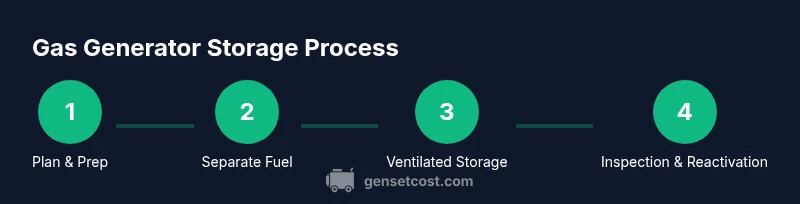
Plan seasonal storage with a clear timeline that includes pre-storage, storage, and reactivation phases. Do not rush the handover from storage to operation; verify all safety systems and ventilation paths before first start. When reactivating, inspect the fuel system, test the battery, and prevent backfires by ensuring the intake and exhaust paths are clear. Keep a reactivation checklist that includes fuel status, oil and filter health, and a quick diagnostic run. With a well-documented seasonal routine, you can minimize downtime and ensure the generator performs reliably when needed. Genset Cost emphasizes aligning storage plans with your property’s usage patterns and climate considerations to optimize readiness and safety.
Common mistakes to avoid and quick-start checklist
Common mistakes include storing fuel indoors, failing to use approved containers, neglecting ventilation, and ignoring spill risks. A simple quick-start checklist helps your team remember the essential steps: choose an appropriate storage area, use sealed fuel containers, stabilize/store fuel properly, keep a fire extinguisher handy, and document all steps. Regularly review and update the storage plan to reflect changes in local regulations or manufacturer recommendations. By avoiding these pitfalls and following the checklist, you improve safety and readiness for power restoration when the grid goes down.
Tools & Materials
- Approved gasoline containers(Containers designed for gasoline, with vented spouts and leak-proof seals)
- Fuel stabilizer(Use according to manufacturer instructions)
- Funnel or siphon for transfer(Spill-safe transfer tool; keep the area well-ventilated)
- Fire extinguisher (Class B or multi-purpose)(Keep within easy reach of storage area)
- Ventilated outdoor storage cabinet or dedicated fuel cabinet(Prefer metal with ventilation and a lock)
- Battery maintainer or charger(If storing with power options, to maintain battery health)
- Carbon monoxide detector(Helpful if storage area is semi-enclosed)
Steps
Estimated time: 1-2 hours
- 1
Assess and plan
Review the generator manual and local safety codes. Identify a ventilated storage area separated from living spaces and ignition sources. Gather approved containers, stabilizer, spill kit, and a fire extinguisher before starting.
Tip: Label fuel containers with contents and date to simplify rotation. - 2
Prepare the generator and fuel
Power down the unit, disconnect from any transfer switches, and allow the engine to cool. If draining, transfer fuel to approved containers; if storing with fuel, add stabilizer per instructions and run briefly to distribute.
Tip: Do not drain fuel into household drainage; dispose per local guidelines. - 3
Move to storage area
Transport the generator to the designated storage zone, ensuring ventilation and clearance from walls and any ignition sources. Keep a spill tray under the container and secure the area to avoid disturbances.
Tip: Use a helper or dolly to reduce risk of tipping. - 4
Secure fuel containers
Place stabilized fuel in approved containers away from the generator. Ensure all caps are closed tightly and containers are upright. Store in a cool, dry area with good airflow.
Tip: Never store containers on the ground near doors or heat sources. - 5
Install safety measures and document
Install a carbon monoxide detector in or near the storage area if partial enclosure is used. Record fuel type, stabilization status, dates, and inspection notes.
Tip: Keep access paths clear for quick evacuation if needed. - 6
Periodic checks and reactivation
Regularly inspect for leaks, smells, or corrosion. When ready to reuse, recheck all connections, test-start the generator, and verify output safety devices function.
Tip: Schedule routine reviews aligned with seasonal patterns.
People Also Ask
Can I store gasoline in the same container as the generator?
No. Store gasoline in approved containers separate from the generator to minimize fumes and ignition risk. Follow local codes for container type and location.
No. Gasoline should always be stored separately from the generator in approved containers to keep fumes and ignition risk low.
Is it safe to store a generator indoors if there is good ventilation?
Most guidance advises storing outdoors or in a well-ventilated space away from living areas. Indoor storage can still pose risks if ventilation is insufficient.
Ventilated indoor storage is risky; best practice is outdoor storage away from people and living spaces.
What type of container should I use for gasoline?
Use containers designed for gasoline with proper seals and vented spouts. Avoid repurposed containers and ensure certification labeling.
Use certified gasoline containers with proper seals and vents—don’t reuse old bottles or unsuitable containers.
How should I check for leaks after storage?
Regularly inspect for fuel odors, damp spots, or stains around storage. If you detect a leak, address immediately and replace damaged containers.
Look for fuel smells, damp spots, or stains near storage and fix any leaks right away.
Should I remove the battery during long-term storage?
If the generator will be unused for a long time, remove and store the battery separately, keeping it charged per manufacturer guidance.
If you're not using the generator for a long period, take out the battery and store it as directed.
How long can I store gasoline with stabilizer?
Stabilized gasoline can last longer than untreated fuel, but you should plan fuel rotation and regular checks to maintain engine reliability.
Stabilized fuel lasts longer, but rotate fuel and inspect routinely to keep the engine reliable.
Watch Video
Key Takeaways
- Separate fuel from the generator in approved containers
- Ensure ventilation and distance from living spaces
- Stabilize or rotate fuel to prevent degradation
- Inspect storage area regularly for leaks and damage
- Document storage steps and maintenance for readiness