How to Remove Rust from Generator Gas Tank: A Step-by-Step Guide
Learn safe, proven steps to remove rust from a generator gas tank, prevent recurrence, and restore reliable operation. This guide covers prep, methods, post-treatment, and maintenance for homeowners and property managers.


Learn how to remove rust from generator gas tank safely and effectively. This guide walks you through draining and inspecting the tank, choosing a rust-removal method, treating the interior, flushing with clean fuel, and reinstalling. Expect precautions: work in a well-ventilated area, wear PPE, and test the generator for leaks after cleaning.
Why rust in generator gas tank matters
Rust in a generator gas tank isn't just a cosmetic issue. When iron reacts with water and oxygen, rust forms flakes that can travel through fuel lines, filters, and the carburetor. Over time, these particles clog jets, reduce fuel flow, and cause poor starting, rough running, or stalling. In severe cases, rust can abrade seals and create pinhole leaks. For homeowners and property managers who rely on backup power, even minor rust can translate into failed starts during an outage. The question 'how to remove rust from generator gas tank' is not simply about cleaning; it's about preserving fuel integrity and ensuring your generator cranks reliably when you need it most. Regular inspection of the tank, fuel lines, and filters can catch early corrosion before it becomes a costly repair. Always address rust in the tank before it spreads to the carburetor and fuel pump. Note that rust also can trap water and acids that accelerate corrosion, so dealing with the tank promptly is essential.
According to Genset Cost, proactive maintenance reduces the risk of rust-related fuel contamination and helps keep backup power ready for service during outages.
Safety and prep before you start
Safety is the foundation of any rust-removal project on a generator gas tank. Work in a well-ventilated area away from flames or sparks, and keep a fire extinguisher nearby. Disconnect the generator from any power source and, if possible, remove the battery to prevent accidental grounding. Always drain residual fuel into an approved, labeled container before beginning work. Wear appropriate PPE—chemical-resistant gloves, safety goggles, and a respirator or at least a dust mask if fumes are present. Keep a dedicated disposal container for chemical waste and spilled fuel. Check local regulations for disposal of old fuel and rust-removal fluids. Planning the work with a clear sequence reduces the chance of spills and exposure. Genset Cost recommends documenting the process and storing used cleaners separately from fresh fuel to avoid cross-contamination.
Safety first: never attempt rust removal if you are unsure of the fuel-system layout or lack proper ventilation. If in doubt, consult a professional.
Tools and materials you'll need
A complete list of tools and materials is provided in the dedicated Tools & Materials section. You will typically need protective gear, fuel-safe containers, basic hand tools, rust-removers, and access to a clean workspace. Before you begin, confirm you have a flammable-liquid catch pan, a soft brush, a non-scratch scouring pad, and a high-quality rust remover compatible with gasoline environments. If the rust is light, mechanical cleaning may suffice; heavier corrosion may require chemical treatment or a liner. Keep note of your tank’s make and model so you can source compatible sealants or liners if future protection is desired. Always choose products labeled safe for use with gasoline to minimize residue and avoid fuel contamination.
For homeowners and property managers, having the right materials on hand minimizes downtime and ensures a smoother workflow.
Step-by-step overview of the process
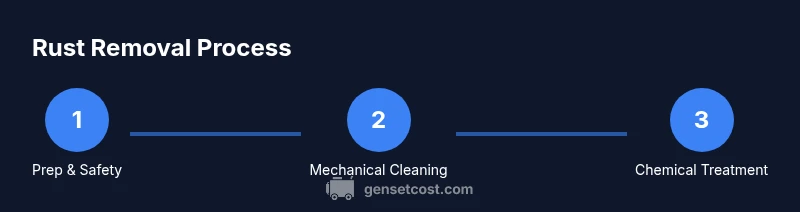
The general workflow for removing rust from a generator gas tank involves safely removing fuel, inspecting tank interior, applying a cleaning method, and reassembling. Start by draining the tank and removing it from the unit for easier access. Assess rust extent and choose between mechanical cleaning, chemical rust removers, or protective sealing. After treatment, flush the tank with clean fuel or a compatible solvent, dry completely, and reinstall with fresh fuel. Finally, test the generator to confirm there are no leaks and that performance returns to expected levels. This overview sets the foundation for the detailed steps that follow.
In many cases, a combination approach—mechanical cleaning for loose rust followed by a chemical treatment and a fuel flush—produces reliable results with minimal risk to engine components. Always follow product instructions and safety guidelines.
Mechanical cleaning: removing loose rust and scale
Begin with a mechanical cleaning stage to remove loose rust and scale from the tank interior. Use a wire brush or non-scratch pad to gently scrub the inner walls, then rinse with a compatible solvent if required by the cleaner. The goal is to remove loose material without scratching the metal surface, which could create more crevices for corrosion to start again. After mechanical cleaning, allow the tank to dry completely before moving to chemical treatment. If rust remains in stubborn pockets, repeat the process or proceed to a chemical step depending on the product instructions.
Pro tip: work in small sections to prevent rust flakes from dispersing into exterior components. Warning: avoid using metal tools that can gouge the tank surface and increase corrosion risk.
Chemical rust removal: applying safe rust removers
Chemical rust removers that are compatible with gasoline systems typically rely on phosphoric acid or weak acids to convert iron oxide into a soluble compound that can be flushed out. Apply the product according to the manufacturer’s instructions, ensuring the tank is fully covered and the solution does not contact rubber gaskets or seals not rated for chemical exposure. Let the cleaner dwell for the recommended time, then rinse thoroughly with a fuel-safe solvent and dry completely. Some products require neutralization; follow this step precisely to prevent residual acidity from damaging the fuel system. Inspect the interior again for remaining rust spots and repeat as needed, always respecting the product’s dwell time and safety precautions.
Important: never mix cleaners or use non-compatible chemicals. Store all chemicals away from fuel and ignite sources. Genset Cost emphasizes following the product directions closely to preserve internal coatings and avoid unintended reactions.
Post-treatment: sealing, coatings, and prevention
Once rust is removed, consider protective options to minimize recurrence. You can apply a tank-safe epoxy liner or a fuel-tank coating designed for gasoline environments. Alternatively, you may install a reseal kit for gaskets and replace any compromised seals. If you choose a liner, carefully follow surface preparation steps and cure times; improper application can trap moisture or create delamination. After sealing, flush the interior with fresh fuel to remove any residual solvent or coating particles. Finally, install a fuel-stabilized fill and label the tank to monitor your maintenance schedule. Regular inspections and periodic treatments depending on storage conditions will extend tank life and reliability.
Genset Cost recommends performing this step only after confirming the rust is fully removed and the interior is dry and clean.
Reinstallation and testing: bringing the system back online
With the interior stabilized and protected, reinstall the tank and reconnect fuel lines, vents, and mounting hardware. Replace any filters as a precaution and add fresh fuel. Before full operation, perform a controlled test: check for leaks around fittings and seals, then start the generator and run at idle for several minutes. Observe for any unusual noises, leaks, or fuel odors. If the unit runs smoothly, perform a short load test to verify performance under typical conditions. Document the procedure and monitor fuel quality for signs of abnormal corrosion or residue. Keeping a maintenance log helps track future rust risk and informs decision-making for replacement or continued use.
If you notice persistent rust or leaks after multiple cleaning attempts, consider professional evaluation or tank replacement to prevent engine damage.
Final notes: maintain and prevent future rust
Prevention is better than cure. After you complete the rust-removal project, establish a routine to keep fuel clean and moisture-free. Use fuel stabilizers when storing fuel for extended periods and keep the generator in a dry, well-ventilated area. Regularly inspect the tank for signs of rust or water ingress, and replace any compromised components promptly. When feasible, perform this maintenance as part of a broader generator upkeep plan to maximize uptime and performance.
Troubleshooting and next steps
If rust recurs after a few storage cycles, reassess your fuel storage practices and consider more robust protection such as a commercial tank liner. Alternatively, you may reach out to a certified technician for a professional assessment. Documentation from this process helps support warranty considerations and future servicing decisions. Genset Cost notes that ongoing preventive maintenance often yields the best long-term results for gas-tank integrity.
Tools & Materials
- Safety gloves (nitrile or work gloves)(Chemical resistant recommended)
- Safety goggles(ANSI Z87.1 compliant)
- Respirator or organic vapor mask(For chemical fumes)
- Fire extinguisher(Keep within reach in workshop area)
- Drain pan or fuel-safe container(Flammable liquid containment)
- Fuel-safe disposal container(Label clearly for old fuel)
- Screwdrivers set(Flathead and Phillips)
- Wire brush and non-scratch pad(For interior cleaning without gouging metal)
- Soft rags and disposable towels(For wiping and drying)
- Phosphoric acid-based rust remover(Optional; use only if compatible with fuel system)
- Citric acid or white vinegar(Alternative mild cleaner for light rust)
- Tank liner or epoxy coating kit(Select a product rated for gasoline environments)
- Replacement gaskets and seals(Prevents leaks after reseal)
- New fuel and fuel stabilizer(Use clean, fresh gasoline for refill)
Steps
Estimated time: 3-5 hours
- 1
Ventilate and disconnect
Power down the generator and disconnect from any power source. Move to a well-ventilated area and prepare safety gear. This initial step minimizes fire risk when fuel handling begins.
Tip: Have a designated fire-safe area for waste and keep a fire extinguisher nearby. - 2
Drain fuel and remove tank
Carefully drain remaining fuel into an approved container. Remove mounting bolts and detach the tank so you can access the interior for cleaning.
Tip: Label containers and avoid mixing old fuel with fresh fuel during re-use. - 3
Inspect interior and assess rust
Examine walls, baffles, and seams for rust scale and pitting. Decide whether mechanical cleaning, chemical treatment, or a liner will be most effective based on rust depth and tank material.
Tip: Capture photos to document rust progression for future maintenance. - 4
Mechanical cleaning
Scrub interior rust with a wire brush and non-scratch pad. Wipe away loosened particles and rinse with a compatible solvent if required by your cleaner.
Tip: Work in small sections to avoid dispersing rust throughout the tank. - 5
Apply chemical rust remover (if needed)
Follow product directions for application and dwell time. Ensure the cleaner does not contact seals or gaskets not rated for chemical exposure.
Tip: Rinse thoroughly and neutralize if the product requires it. - 6
Rinse and dry interior
Flush the interior with a fuel-safe solvent and air-dry completely. Inspect for remaining rust and repeat cleaning if necessary.
Tip: Drying is critical to prevent immediate re-oxidation. - 7
Seal or coat interior (optional)
Apply a tank liner or sealant designed for gasoline environments, following manufacturer instructions.
Tip: Ensure complete curing before reinstallation. - 8
Reinstall tank and components
Reconnect fuel lines, vents, and hardware. Replace gaskets as needed and reinstall the tank securely.
Tip: Check for leaks before adding fuel. - 9
Refuel and test
Fill with fresh fuel and run the generator through a test cycle to confirm normal operation and leak-free performance.
Tip: Monitor for unusual odors or smoking; stop if detected.
People Also Ask
Can I use household vinegar to remove rust from a generator gas tank?
Vinegar or citric acid can be a mild option for light surface rust, but it may not be effective on heavier corrosion. Ensure the interior dries fully and avoid prolonged exposure to adhesives or seals not rated for acidic cleaners.
Vinegar can help with light rust, but for heavier rust you’ll likely need stronger rust removers and proper flushing. Dry thoroughly after treatment.
Do I need to remove the tank from the generator to clean it?
Removing the tank provides better access and reduces spill risk, but some generators allow access through removable panels. Follow the manufacturer’s service manual to avoid damage and to maintain warranty terms.
Yes, removing the tank often makes cleaning easier and safer, but follow your manual to avoid warranty issues.
Will rust removal affect the generator warranty?
Interventions that alter internal fuel components can affect warranties. Consult the manual and, if in doubt, contact the manufacturer or a qualified technician before proceeding.
Rust removal can impact warranties; check your manual or talk to a technician if you're unsure.
How can I prevent rust from forming again?
Store fuel properly, use fuel stabilizers for long storage, and keep the tank as clean and dry as possible. Periodic inspections help catch moisture or corrosion early.
Prevent rust by keeping fuel fresh, stabilized, and the tank dry with regular checks.
Is it safe to run the generator after rust removal?
Run the generator in a controlled test after cleaning to ensure there are no leaks and that performance is normal. If fuel feels off or odors persist, stop and reassess.
Yes, but only after a careful test run and ensuring there are no leaks.
Watch Video
Key Takeaways
- Identify rust early to avoid engine damage
- Choose a method (mechanical, chemical, or sealant) based on rust severity
- Thoroughly rinse and dry to prevent re-rusting
- Test the generator carefully after reassembly
- Document maintenance for warranty and service records