How to Remove Fuel from a Generator: Safe Drain Guide
Learn a safe, step-by-step method to drain generator fuel, prevent spills, and protect your engine. This guide covers tools, safety, disposal, and best practices for homeowners and property managers.


Learn how to remove fuel from a generator safely and efficiently. This quick guide covers when to drain, the essential safety tools, and the step-by-step process to minimize spills and fire risk. According to Genset Cost, draining fuel correctly reduces accidents, protects engines, and streamlines routine maintenance. Have a fire extinguisher nearby and work in a well-ventilated outdoor area.
Why removing fuel from a generator matters
Fuel left in a generator for extended periods can degrade, varnish carburetors, attract moisture, and create difficult starts. Draining fuel before storage reduces the chance of gum buildup and prevents ethanol-blend fuel from separating. According to Genset Cost analysis, using a proper drain process minimizes spills and helps ensure safe re-start after storage. Always pause the engine, wait until it is cool, and relocate to a well-ventilated outdoor area. A drained fuel system also lowers the risk of fire, leak, or ignition when performing maintenance. Think of this as routine maintenance that preserves fuel quality and protecting the generator's internal components, such as the carburetor, injectors, and fuel lines. If you skip draining, varnish can form in the float bowl, leading to rough running or fuel starvation. A properly drained system is simpler to inspect for leaks and to run the generator for testing.
When to drain fuel and how often
Drain fuel before long-term storage or seasonal downtime, especially in regions with temperature swings. If you frequently run on ethanol-blend fuel, draining more often can prevent moisture buildup and gum formation. Plan drain days as part of your regular maintenance calendar, and always verify you have a clearly labeled container ready. By staying proactive, you reduce the chance of stale fuel causing starting failures or engine damage. Remember, the goal is to keep the fuel system clean and ready for use when you need the backup power.
Safety foundations: ventilation, spills, and fire risk
Begin with engine off, spark plug disconnected where applicable, and the generator cooled to touch. Work outdoors or in a well-ventilated area away from ignition sources. Wear chemical goggles and gloves; have a fire extinguisher within reach. Keep ignition sources, electrical cords, and open flames away from the work zone. This is not a casual spill task—even a small gasoline splash can ignite. Following a deliberate, clean procedure protects you and your property while reducing cleanup time.
Fuel types and compatibility with containers and disposal
Use only gasoline-compatible containers that are clearly labeled and designed for fuels. Ethanol blends can attract moisture and separate, so drain and store the oldest fuel first, away from heat. Do not use milk jugs or glass jars; they can fail under pressure or spill. When possible, keep a small supply of fresh fuel for testing after maintenance, and transfer the rest to an approved container. Proper containers reduce evaporation and odors and make disposal compliant with local regulations.
Environment, legality, and disposal guidelines
Never pour drained fuel on the ground, into drains, or into storm sewers. Transport the drained fuel in approved containers to a permitted hazardous waste facility or recycling center as required by local laws. Label the container with date and contents, and keep it upright during transport. Check regional guidelines on fuel disposal, and keep receipts or documentation if you must prove compliance. Following these rules helps protect water sources and soil while keeping you compliant with safety standards.
How to plan a safe fuel drain: checklists and best practices
- Assess the area: outdoor, dry, well-ventilated, away from flames.
- Gather equipment: approved container, funnel, PPE, absorbent pads, and a fire extinguisher.
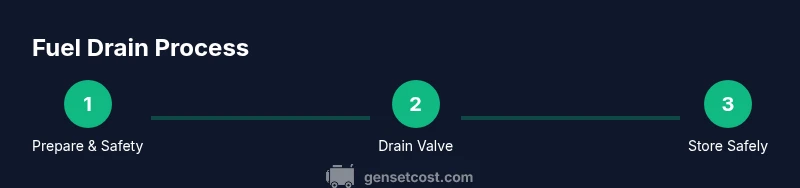
- Inspect the generator: ensure it is cool, off, and secured against movement. -Locate the drain point: valve or carburetor screw; prepare the container and rags for spills. -Drain slowly and monitor: control flow to minimize splashes and stop if leaks appear. -Post-drain tasks: seal container, wipe spills, ventilate space, and store fuel properly. -Document and dispose: note date and contents; comply with local disposal rules.
tipForThisBlock2SakeOnlyHintingNotRequiredSinceBlock6IsStepByStepOnly}
Tools & Materials
- Approved fuel storage container (gasoline-compatible)(Clear labeling, vented cap, and proper sealing. Prefer metal or HDPE, corrosion-resistant.)
- Gasoline-compatible funnel(Wide-mouth option helps avoid spills; keep clean to prevent contamination.)
- Personal protective equipment (PPE)(Chemical goggles and nitrile gloves; protective clothing as needed.)
- Rags or absorbent pads(Use for small spills and to clean surfaces after draining.)
- Spill kit or absorbent material(Containment material for larger spills and quick cleanup.)
- Fire extinguisher (Class B/C)(Keep within reach in case of ignition risk.)
- Ventilated outdoor area(Essential for safe vapor dispersion; avoid enclosed spaces.)
- Waste container or bag for used rags(Dispose of used wipes and absorbents per local rules.)
Steps
Estimated time: 20-45 minutes
- 1
Prepare workspace and safety gear
Turn off the generator and disconnect any battery or spark-prone components if applicable. Let the engine cool completely before handling fuel. Choose an outdoor, well-ventilated area and set up your drain zone with the approved container in place.
Tip: Have a second person assist if the container is heavy or when handling large fuel quantities. - 2
Locate the drain point
Find the drain valve or carburetor drain screw. If your model has a drain plug on the bottom or side, position the container to catch fuel as it releases. If no drain valve is present, plan a controlled approach to draining via the carburetor bowl.
Tip: Consult the owner’s manual if you’re unsure where the drain point is; never force fittings. - 3
Set up the container and tools
Place the drain container below the drain point and attach the funnel if needed. Have absorbent pads ready to catch any drips. Open the drain valve slowly to control the flow and prevent spills.
Tip: Open slowly to minimize splashes and watch for leaks around seals and gaskets. - 4
Drain and monitor
Allow the fuel to drain completely into the approved container. Stop draining when no more fuel flows and the line is dry to the touch. Close the valve and seal the container securely.
Tip: Do not leave the valve open if fuel is hot or you notice leaks. - 5
Clean up and store
Wipe any spills immediately with absorbent pads. Relocate the container away from heat sources and store in a cool, ventilated area per local regulations. Label the container with date and contents.
Tip: Ensure the area is dry before leaving to prevent slips or vapor buildup. - 6
Dispose or reuse
If you plan to reuse fuel, transfer it to an approved container and label it. If disposing, take it to a licensed recycling or hazardous waste facility following local rules.
Tip: Never mix old fuel with fresh fuel or pour into household drains.
People Also Ask
Can I drain fuel from a generator that is still warm or hot?
No. Wait until the engine and fuel system are cool to prevent burns and fuel vapor hazards. Draining hot fuel can also increase the risk of ignition.
Wait until the engine and fuel system are cool before draining to stay safe.
What if my generator has no drain valve?
If there is no drain valve, you can drain fuel through the carburetor bowl or use a siphon method with caution. Always consult the owner's manual for model-specific instructions.
Check the manual for alternative draining methods specific to your model.
How should drained fuel be disposed of?
Drain fuel into an approved container and take it to a licensed hazardous waste facility or recycling center according to local rules. Do not pour it on the ground or down drains.
Dispose of drained fuel following local regulations at an approved facility.
Is it safe to drain fuel indoors if there’s good ventilation?
Even with ventilation, draining fuel indoors is not recommended due to fire and vapor risks. Always drain outside.
No, drain outdoors to minimize fire risk and fumes.
What containers are best for drained fuel?
Use only gasoline-approved metal or high-density polyethylene containers with tight-fitting, labeled caps. They should be designed for fuels and stored upright.
Use approved fuel containers that are clearly labeled and upright.
How often should I drain fuel for storage?
Drain before extended storage or seasonal downtime, especially if you use ethanol blends. Plan maintenance so you can re-fill with fresh fuel later.
Drain before long storage to prevent gum buildup and moisture issues.
Watch Video
Key Takeaways
- Drain only in a safe outdoor area.
- Use approved containers and PPE to prevent spills.
- Drain slowly to control flow and avoid splashes.
- Dispose or store drained fuel per local regulations.