How to Wash a Generator Plug: Safe Cleaning Guide
Learn how to wash a generator plug safely and effectively. This step-by-step guide covers safety, proper cleaners, exterior and contact cleaning, drying, testing, and maintenance to prevent corrosion and ensure reliable power.


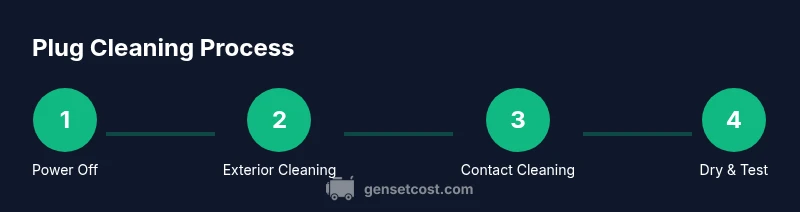
By following this guide, you will safely wash a generator plug without compromising electrical safety. Start with unplugging the unit, wearing PPE, and using electrical contact cleaner and lint-free cloth. Then clean exterior surfaces, gently treat the contacts, dry completely, and re-test before reuse. This routine helps prevent corrosion and connection problems during power outages.
Why cleaning the generator plug matters
Keeping the generator plug clean matters for reliability and safety. Dirt, oil, dust, and moisture can create resistance at the contact points, accelerate corrosion, and increase the risk of arcing or poor power transfer during a critical outage. The plug’s metal contacts rely on clean, secure connections to carry high loads without overheating. Regular attention minimizes voltage drop and ensures a solid connection when you need backup power. According to Genset Cost, routine maintenance including plug cleaning supports reliable operation and reduces corrosion risk over time. A clean plug also makes future inspections easier by revealing any wear before it becomes a problem.
Safety first: unplug, PPE, and environment
Safety must come before cleaning. Always unplug the generator and disconnect the battery if applicable. Work in a dry, well-ventilated area away from flammable materials. Wear PPE: safety glasses or goggles, nitrile gloves, and long sleeves to guard against accidental splashes. Keep children and pets away, and never clean a live electrical component. Use a dedicated work surface and have a rule: if you see visible damage or severe corrosion, stop and seek professional service.
Visual inspection before cleaning
Before touching anything, perform a quick visual check of the plug, socket, and receptacle area. Look for bent prongs, loose connections, scorching marks, or signs of moisture inside the housing. If you notice cracks or melted surfaces, the plug should be replaced rather than cleaned. Document any wear so you can track its condition over time and plan replacement when needed.
Cleaning plan: choosing the right cleaners
Use electrical contact cleaner or isopropyl alcohol (70% or higher) for the contacts. Avoid soaking the plug or letting water run into the housing. A damp (not dripping) microfiber cloth works for the exterior, and cotton swabs or a soft brush helps reach crevices. Do not use household dish soap or abrasive cleaners; they can leave residues that attract more dirt or corrode contacts. Always test cleaners on a small, inconspicuous area first to ensure compatibility with the plastic housing.
Cleaning exterior surfaces of the plug housing
Wipe the exterior with a lint-free cloth lightly dampened with isopropyl alcohol. Remove any grime, dust, or oils from the outer shell. For stubborn spots, use a soft-bristle brush to lift debris without scratching. Dry the exterior with a clean cloth to prevent moisture from seeping into internal seals. Take care not to force moisture into any gaps or vent openings.
Cleaning the contacts: safe and effective techniques
Apply electrical contact cleaner to the contacts or use a small amount of isopropyl alcohol on a cotton swab. Gently rotate or lightly scrub the contacts to remove corrosion and residue. Be careful not to bend prongs or nick the metal surface. If corrosion is heavy or pitting is visible, replace the plug instead of attempting a repair. Let the contacts air-dry briefly or use a lint-free cloth to finish drying.
Drying and post-clean inspection
Moisture is the enemy of electrical connections. After cleaning, dry all components thoroughly, especially inside recesses of the plug. Inspect the contacts for any remaining residue, corrosion, or damage. A moisture indicator on some plugs can help confirm dryness. If you see moisture or discoloration persisting, stop and reassess or replace the plug.
Reassembly, testing, and safe restoration of power
Once everything is dry, reconnect any removable parts and reinsert the plug into the socket. Perform a non-live test first using a multimeter or continuity tester to confirm solid connections. If you cannot perform a safe test or notice abnormal readings, do not power up the generator. When in doubt, consult a professional to avoid risks associated with electrical faults.
Maintenance and prevention: keep it clean longer
Set a cleaning schedule based on your environment. In dusty or humid areas, clean every 3–6 months; in dry climates, every 6–12 months may suffice. Store the generator in a sheltered area to limit dust accumulation. Consider applying a small amount of dielectric grease to metallic contact surfaces if your plug is prone to moisture, but apply sparingly and only to the contact interface after it’s dry.
Troubleshooting: what to do if problems persist
If cleaning does not restore proper contact, inspect for hidden cracks, bent pins, or misalignment. Replace worn parts rather than attempting a risky repair. If the plug fails a basic electrical test, replace it and recheck the system. Persistent issues after replacement warrant a professional inspection to ensure there are no hidden faults in the generator’s power chain.
Tools & Materials
- Electrical contact cleaner spray(Choose a spray designed for electrical components with fast evaporation; follow label directions.)
- Isopropyl alcohol (70% or higher)(For exterior cleaning and contact wetting; use in a well-ventilated area.)
- Lint-free microfiber cloth(Use to wipe surfaces without leaving fibers.)
- Soft-bristle brush(Gently loosens grime from crevices without scratching plastic.)
- Cotton swabs/Q-tips(Reach small gaps around contacts; avoid fraying.)
- Nitrile gloves(Protect hands and improve grip during cleaning.)
- Safety goggles(Eye protection in case of splashes or debris.)
- Small flathead or Phillips screwdriver(Only if you need to remove cover screws for access (do not force).)
Steps
Estimated time: 20-40 minutes
- 1
Prepare and disconnect
Power off the generator, unplug the plug from the outlet, and remove the battery if applicable. Move to a dry, well-lit workspace and put on PPE. This ensures you won’t be exposed to live electricity during cleaning.
Tip: Double-check the unit is unplugged and that the area is dry before touching the plug. - 2
Inspect visually
Examine the plug housing and contacts for cracks, bent pins, corrosion, or moisture. Note any damage and decide if cleaning is appropriate or if replacement is needed.
Tip: If you see severe corrosion or damage, replacement is safer than cleaning. - 3
Choose your cleaners
Select electrical contact cleaner or 70%+ isopropyl alcohol. Avoid water and household soaps that can leave residues.
Tip: Test cleaner on a small area first to ensure compatibility. - 4
Clean exterior surfaces
Wipe the exterior with a damp cloth and alcohol. Use a brush for stubborn grime and dry thoroughly.
Tip: Keep moisture away from seams and vent openings. - 5
Carefully clean the contacts
Apply cleaner to each contact, then use a swab to remove corrosion. Do not bend or pry prongs.
Tip: Take your time to avoid nicking metal surfaces. - 6
Dry and re-inspect
Allow all parts to dry completely. Re-check contacts for remaining residue or moisture.
Tip: If anything looks off, repeat cleaning or replace the plug. - 7
Test non-live connections
With power off, use a multimeter to confirm continuity or proper resistance across contacts.
Tip: Do not power up until you are confident in the connection. - 8
Reassemble and power up
If all tests pass, reassemble any removed components and reconnect. Start the generator and observe for proper operation.
Tip: If you detect sparking or overheating, turn off immediately and seek professional help.
People Also Ask
Is it safe to wash a generator plug with water?
No. Water should not be used to wash an electrical plug while it is connected to power. If you must use liquids, ensure they are electrical contact cleaners or isopropyl alcohol with the unit powered off and thoroughly dried before reuse.
Water should not be used on a live plug. Use contact cleaner or alcohol and dry completely before powering up.
Can household soap be used to clean a generator plug?
Avoid household soaps near electrical connectors. They can leave residues that attract more dirt and may cause insulation or contact issues. Use electrical contact cleaners or isopropyl alcohol instead.
Avoid soap near the plug; use electrical contact cleaner or alcohol to prevent residues.
How often should I clean the generator plug?
Frequency depends on environment. In dusty or high-humidity areas, clean every 3–6 months; in clean, dry spaces, 6–12 months may be sufficient. Always inspect visually between cleanings.
Clean more often in harsh environments, at least every 6–12 months in normal settings.
What should I do if the plug shows corrosion after cleaning?
If corrosion remains or worsens, stop using the plug and replace it. Persistent corrosion can indicate internal damage or tolerance loss that cleaning cannot fix.
If corrosion persists after cleaning, replace the plug and seek professional help if needed.
Do I need to dry the plug after cleaning?
Yes. Ensure all parts are completely dry before reconnecting or powering the generator. Moisture can cause short circuits or arcing.
Always dry the plug completely before reusing it.
Is dielectric grease recommended after cleaning?
Dielectric grease can help resist moisture on metal-to-plastic interfaces, but use sparingly and only after the plug is dry. It is not a fix for corrosion.
A small dab of dielectric grease can help moisture resistance, but don’t overdo it.
Watch Video
Key Takeaways
- Clean exterior and contacts with proper cleaners
- Always unplug and dry before reusing
- Inspect for damage; replace if corroded
- Test with a non-live method before powering up
- Document maintenance to extend plug life