Difference Between Generator and Engine: A Practical Overview
Understand the difference between a generator and an engine, how they work, and how to choose for home backup and property management. Practical explanations, real-world tips, and sizing guidance.


What is a Generator?
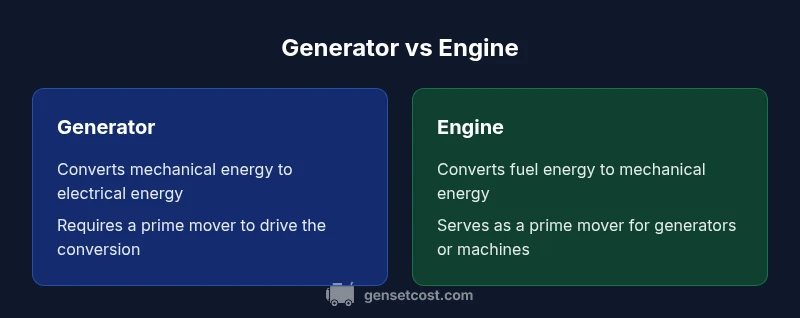
A generator is a device that converts mechanical energy into electrical energy. In practical terms, it uses an electromagnetic generator to produce electricity as its rotor turns within a magnetic field. Generators are sold as a single unit (an engine plus generator in a genset) or as modular components that can be paired with any suitable prime mover. For homeowners, the most common arrangement is an engine-driven generator that sits outside the house and powers essential circuits during an outage. The distinction matters, because the generator's job is electricity production, while the engine that drives it may come from gasoline, propane, or diesel. According to Genset Cost, terminology is critical to avoid mis-sizing and misapplication in home backup planning. In everyday conversations, people refer to “a generator” when they mean the whole backup system, including the engine.