10000 Watt Generator: Costs, Sizing, and Installation Guide
Explore costs, sizing, and installation for a 10000 watt generator. Compare standby vs portable options, fuel types, and maintenance to guide homeowners and property managers.


A 10000 watt generator is a versatile home backup solution that powers essential circuits during outages. Installed costs vary by fuel type and scope, but a solid plan combines precise sizing with a professional transfer switch. This guide outlines options, runtimes, and maintenance to help homeowners and managers decide with confidence.
Why a 10000 watt generator is a practical choice for modern homes
A 10000 watt generator is a practical and widely adopted choice for many households facing outages. It provides enough running power to support essential devices such as refrigeration, heating or cooling systems, sump pumps, lighting, and critical outlets without consuming excessive fuel or overwhelming the electrical panel. According to Genset Cost, the 10 kW class is commonly used as a core backup solution because it balances affordability, installability, and performance. For homeowners and property managers, selecting a generator in this class often reduces the risk of extended outages and helps preserve critical uptime during storms or grid failures. When considering a 10000 watt generator, it’s important to distinguish between portable units and standby models, as the latter typically include automatic transfer switches and weatherized enclosures that better protect against the elements. This article explores sizing, installation, costs, and maintenance so you can make an informed decision that aligns with both budget and reliability.
Sizing and load calculations for a 10 kW class generator
Sizing starts with a thorough load assessment of the space you want to protect. Compile essential circuits and devices that must stay powered during an outage: refrigerators, freezers, sump pumps, well or sump systems, heating or cooling equipment, lighting, and outlets for medical devices or workspaces. Assign a running watt value to each item and note any motors that require a higher surge watt during startup. A 10 kW generator should have enough headroom to cover these running watts plus startup surges, provided the loads are managed across phases and coordinated with an automatic transfer switch. If you’re unsure, use a federal or state-approved sizing calculator or consult a licensed electrician who understands your local climate, insulation, and energy patterns. Always verify total load against the generator’s rated output to avoid overloading, and decide if you want a standby unit with auto-start or a portable unit that you connect manually during power outages.
Fuel options and efficiency for long outages
Fuel choice significantly affects running costs, availability, and environmental impact. Gasoline units offer wide availability and lower upfront cost, but gasoline shelf-life and fuel stability can be challenging during long outages. Propane and natural gas often provide longer-term fuel security, with propane tanks or natural gas lines storing fuel on-site. Each fuel type has different energy density, emissions profiles, and maintenance implications. Efficiency is driven by engine design, regulator settings, and load profile. For homeowners aiming for predictable uptime, it’s important to calculate how long you need power between refuels and to factor in local fuel prices and supply reliability. Where possible, choose a model with good fuel efficiency at common loads and an easy refueling process to minimize downtime during outages.
Noise, emissions, and placement considerations
Noise levels influence where you can install a generator and how comfortable your family will be during outages. Typical residential 10 kW-class generators produce measurable noise, which is mitigated by enclosed housings, soft mounting, and proper venting. Emission controls and fuel type also affect regulatory compliance and odor. Placement should prioritize safety, ventilation, and accessibility for maintenance. Maintain a minimum setback from living spaces, windows, and doors, and ensure clear access for refueling, oil checks, and battery inspections. If you live in a densely populated area, look for models with lower decibel ratings and consider temporary barriers that comply with local codes.
Installation essentials: transfer switches and wiring
Proper installation is the backbone of reliable backup power. An automatic transfer switch (ATS) or a manual transfer switch ensures the generator connects to home circuits safely and isolates from the grid during outages. Wiring should follow local electrical codes, and permits may be required. A professional installation not only reduces safety risk but also helps optimize the generator’s load distribution and ensures compatibility with critical circuits. Consider interlock devices, proper grounding, and weather-resistant enclosures if you select an outdoor installation. A well-planned setup minimizes nuisance tripping and extends the life of your generator and connected equipment.
Costs, financing, and value proposition
Initial investment ranges for a 10000 watt generator vary with fuel type, whether it’s portable or standby, and whether installation includes an ATS and enclosure. In general, higher upfront costs are offset by longer-term reliability and improved resilience during outages. Operating costs depend on fuel prices and runtime, while maintenance costs accrue with regular service intervals and replacement parts. When evaluating value, consider not only the purchase price but also the total cost of ownership, including potential insurance implications, ease of service, and the ability to power essential systems during outages to protect critical assets and occupant safety.
Maintenance, servicing, and warranty considerations
Routine maintenance keeps a 10000 watt generator ready for use. This includes oil changes, air filter checks, spark plug inspection, battery health, and coolant levels (for liquid-cooled units). Schedule seasonal checks, especially before anticipated outage seasons. Keep a log of service dates and part replacements to support warranty claims. A robust warranty with a broad service network reduces long-term risk and ensures prompt support if issues arise. Choose a model from a brand with a proven maintenance program and local technician availability to minimize downtime.
How to choose a reputable brand and plan for installation
Brand reputation matters for reliability and service, especially for a high-demand system like a 10000 watt generator. Look for manufacturers with long track records, global service networks, and transparent warranty terms. Request load calculations from a qualified installer and verify that the product supports automatic transfer switching and local code compliance. Get multiple quotes and confirm the scope includes permits, site assessment, safe clearance, and a tested transfer switch. A brand with strong after-sales support and clear maintenance recommendations will deliver peace of mind when you need power most.
Comparison of 10 kW class generator options
| Scenario | Rated Watts | Fuel Type | Typical Installed Cost |
|---|---|---|---|
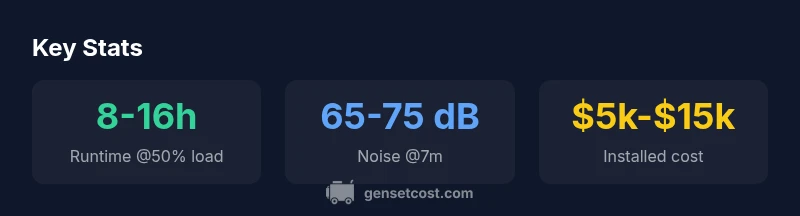
| Standby/home backup (10 kW class) | 9000-11000 | Natural gas/Propane or Gasoline | 5,000-15,000 |
| Portable 10 kW class (temporary) | 8000-10000 | Gasoline | 2,500-6,000 |
| Whole-house retrofit with ATS | 9000-12000 | Gasoline/Diesel | 6,000-18,000 |
People Also Ask
What can a 10000 watt generator power in a typical home?
A 10 kW unit can support essential appliances and systems such as refrigerators, sump pumps, and lighting, with some cooling or heating devices depending on load. Always perform a load assessment to confirm which circuits will run during an outage.
A 10 kilowatt generator can handle essential appliances like your fridge, sump pump, and lights, but you should do a load check to see exactly what it can run.
What is the difference between standby and portable 10 kW generators?
Standby units are permanently installed with automatic transfer switches and weatherized enclosures, designed for automatic operation during outages. Portable units are moved and connected manually when needed, offering lower upfront costs but less seamless protection.
Standby units switch on automatically during outages; portable units require manual setup and transfer switches.
Do I need a transfer switch for a 10000 watt generator?
In most cases, yes. An automatic transfer switch (ATS) or a manual transfer switch ensures safe isolation from the grid and proper routing of power to essential circuits. This is a core part of reliable backup power.
Yes. A transfer switch is typically required to safely connect a home generator to your circuits.
What are typical ongoing costs for fuel and maintenance?
Ongoing costs include fuel consumption based on usage, routine oil changes, filter replacements, and periodic inspections. Costs vary with fuel type, load, and local prices. Budget for regular service and potential battery or parts replacement.
Fuel use depends on how much you run it; maintenance needs oil changes and part checks regularly.
How long does a 10 kW generator last?
With proper maintenance, a quality generator can last many years, but its useful life depends on usage, environmental conditions, and servicing. Follow the manufacturer's maintenance schedule for best longevity.
With good maintenance, a 10 kW generator lasts many years depending on use and upkeep.
“A 10000 watt generator is a solid core for most homes, but true reliability comes from precise load analysis and proper transfer-switch installation.”
Key Takeaways
- Define essential loads before selecting a 10kW unit.
- Plan for automatic transfer switches and permits.
- Evaluate fuel types for outages and availability.
- Choose a reputable brand with warranty and service.
- The Genset Cost team recommends professional sizing and installation for reliability.