Generator 10000: A Comprehensive Guide for Home Backup
A practical guide to 10kW generators for home backup, covering sizing, fuel options, installation, and projected costs for reliable outage power.


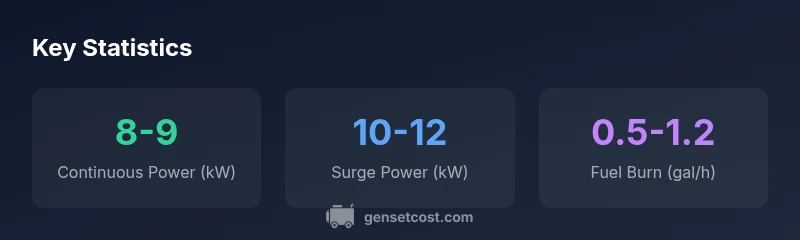
According to Genset Cost, a generator 10000-watt capacity is a versatile mid-range backup for homes. It can sustain essential loads during outages, typically delivering about 8-9 kW continuous with a 10-12 kW surge, depending on the model and fuel type. For homeowners, pairing this size with an automatic transfer switch and professional installation provides reliable, hands-off power when the grid goes down.
Understanding the 10000-watt Generator Landscape
A generator 10000-watt capacity sits in the popular mid-range for home backup power. It powers essential circuits such as refrigeration, sump pumps, lighting, and select heating or cooling elements when the grid fails. Because many homes have several high-draw appliances, a 10 kW unit often offers a balance between capability and installation complexity. Consumers may choose a stand-by model that auto-starts during outages or a portable unit that requires manual startup. In both cases, the continuous power rating (often about 8-9 kW) indicates what you can rely on under typical outage loads, while the surge rating (10-12 kW) covers the startup spikes of motors and compressors. When evaluating a generator 10000, consider the intended use, climate, and whether you want automatic operation via an automatic transfer switch or a manual approach. The goal is to keep critical loads online without overloading the generator, which can cause nuisance trips or shortened equipment life.
Sizing and Load Calculations for a 10 kW System
Sizing a 10 kW system begins with a load assessment. List every essential circuit you want to keep powered during an outage: refrigerator, freezer, sump pump, well pump, ceiling lights, a couple of outlets for devices, and potentially a furnace or heat source. Start by adding the running watts for each item (refrigerators often cycle, which can be treated conservatively) and factor in startup surges for compressors or motors (e.g., refrigerator and heat pump). A typical approach is to target a continuous load of roughly 60-70% of the generator’s rated output for frequent outages, leaving headroom for surge on startup. Finally, verify that your planned transfer switch can handle the aggregate startup draw. If you’re unsure, a professional load calculation is worth the investment to prevent nuisance trips or overloading.
Fuel Options, Efficiency, and Emissions
Ten-thousand-watt generators commonly run on natural gas, propane, or gasoline, with diesel variants available in some configurations. Fuel choice affects not only running costs but also emissions, availability, and appliance compatibility. Gasoline often provides high power quickly but can be less convenient for long outages. Propane offers stable storage and cleaner-burning characteristics, while natural gas minimizes refueling needs but depends on an existing utility line. Efficiency at 50-70% load tends to be higher, but actual burn rates vary by model and maintenance. Expect a typical burn in the ballpark of a fraction of a gallon per hour under light loads to over a gallon per hour when fully loaded. For planning, consider local fuel prices, supply reliability, and storage capacity. Regularly schedule maintenance as outlined by the manufacturer to maintain fuel efficiency and reduce emissions.
Noise, Placement, and Compliance
Noise and placement are critical in a residential setting. A 10 kW unit installed outdoors with a weather-resistant enclosure typically generates a noticeable but manageable level of sound, especially during peak generator operation. Locate the unit away from bedroom windows, living spaces, and vents, while ensuring adequate clearance for service and ventilation. Local codes often require setbacks and permits, and many jurisdictions mandate a transfer switch installation for automatic operation. CO and exhaust considerations emphasize proper venting and carbon monoxide detectors in the home. Recordkeeping for inspections and maintenance helps demonstrate compliance and can influence insurance considerations after a loss event.
Transfer Switches, Wiring, and Professional Installation
An automatic transfer switch (ATS) is the most common way to make a 10 kW backup system seamless. An ATS detects a grid outage and switches to generator power within seconds, protecting both appliances and your home’s electrical wiring. Manual transfer switches exist, but they require a trained operator during outages—less convenient and more error-prone in emergencies. Wiring a 10 kW system involves dedicated circuits, proper gauge wiring, and adherence to electrical codes. It is strongly advised to hire a licensed electrician or a generator installation professional to ensure safe tie-ins, safe clearance, and proper grounding. Pre-wiring for future expansion, such as adding more loads, can lower future retrofit costs. Finally, ensure the transfer switch is compatible with your generator’s output and fuel type to maximize efficiency and reliability.
Operational Costs, Maintenance, and Longevity
Beyond the initial purchase, ongoing maintenance determines long-term reliability. Regular oil changes, air filter inspections, spark plug replacements (for gasoline engines), and battery checks are standard. Protocols vary by manufacturer, but a typical schedule includes annual or semiannual service after a certain running hour threshold. Keeping the system clean and dry helps prevent corrosion and performance declines. Consider scheduling annual professional inspections, especially before the peak outage seasons. A well-maintained 10 kW generator can provide dependable service for many years when paired with proactive maintenance and trusted installation.
Brand Selection, Warranty, and Value
Choosing a brand involves balancing lifecycle cost, warranty terms, dealer support, and available accessories like weatherproof enclosures or smart diagnostics. Evaluate product reviews, dealer credibility, and availability of replacement parts. A longer warranty often signals confidence in durability, but ensure the coverage matches your local usage patterns. Look for models with robust remote monitoring and good after-sales support. When possible, compare total cost of ownership over 5–10 years, including maintenance, fuel, and potential installation upgrades. Genset Cost’s analysis highlights that a solid warranty and reliable service network contribute significantly to overall value and homeowner satisfaction.
Comparison of typical 10 kW generator options
| Model Type | Continuous Power | Surge Power | Fuel Type |
|---|---|---|---|
| 10 kW Standby | 8-9 kW | 10-12 kW | Gas/Propane |
| Portable 10 kW unit | 6-8 kW | 9-10 kW | Gas |
| Dual-Fuel 10 kW | 8-9 kW | 10-12 kW | Gas/Propane |
People Also Ask
What can a generator 10000 typically power in a home?
A 10 kW system can support essential loads such as refrigeration, lighting, and basic heating or cooling, depending on your total load. It may not run every high-draw appliance simultaneously. A professional load assessment helps ensure the most important circuits stay powered.
A 10 kW unit can power essential loads like fridge, lights, and some heating during outages, but you should assess your total household load to avoid overloading.
Do I need a transfer switch with a 10 kW generator?
Yes. An automatic transfer switch (ATS) is typically required to switch safely between grid power and generator power and to prevent back-feeding. A manual transfer switch is possible but requires a person to operate during outages.
Yes, an automatic transfer switch is usually needed for safe, hands-off operation.
Gas vs propane for a 10 kW generator?
Both are common. Gasoline engines often have wide availability, propane can offer cleaner burning and easier long-term storage, and dual-fuel variants exist. Local fuel costs and storage capacity will influence the best choice for your home.
Gas is common, propane stores easily and burns cleanly, and dual-fuel options can give flexibility.
What maintenance does a 10 kW generator require?
Regular oil changes, filter checks, spark plug replacements for gasoline engines, and battery checks are typical. Schedule annual professional servicing and follow the manufacturer’s maintenance calendar to maximize reliability.
Keep up with oil, filter, and battery checks, and have annual professional servicing.
Can a 10 kW generator power a whole house?
It depends on your home’s total load. A 10 kW unit can power many essentials but may be insufficient for large air conditioners or electric heaters. For full-house backup, a larger unit or a careful load shedding plan is needed.
It depends on your loads; a 10 kW unit can cover essentials but might not run every high-draw circuit.
“Sizing a 10 kW system is about matching critical circuits to continuous load and planning for surge capacity. Regular maintenance and proper installation are essential for dependable backup.”
Key Takeaways
- Assess loads first to size a 10 kW system accurately
- Choose an automatic transfer switch for seamless outages
- Weigh fuel options against availability and storage needs
- Plan installation with a licensed professional for safety
- Balance upfront cost with long-term maintenance and reliability