Generator 10kW: Sizing, Costs, and Installation Guide
Explore sizing, costs, fuel options, and installation tips for a 10kW generator to power essential loads during outages. A practical, data-driven guide for homeowners and managers.


Understanding the role of a 10kW generator
A 10kW unit is designed to bridge the power gap during outages by delivering enough sustained power to keep essential circuits running. In practice, this means prioritizing loads such as refrigeration, lighting, communications, and a few climate-control devices. The distinction between standby (automatic) and portable (manual) systems matters: standby units integrate with an automatic transfer switch (ATS) to switch on within seconds of an outage, whereas portable units require manual startup and a transfer process. For many homes, a 10kW generator offers a balanced blend of capability and installation complexity, positioning it as a flexible option for homeowners and property managers who want reliable power without oversized equipment.
From a cost-to-benefit perspective, a 10kW system is typically enough to maintain comfort during outages while avoiding the high expense of larger whole-home generators. It’s important to consider your peak load when sizing: if your home includes a large central air conditioner, hot water heater, or multiple sump pumps, you may approach the upper end of the 10kW envelope. These considerations inform both model selection and the necessary accessories, such as a transfer switch, enclosure, and fuel storage arrangements.
How to size a 10kW system for your home
Sizing a 10kW system begins with a detailed load assessment. Start by listing essential circuits (refrigerator, freezer, lights, outlets, modem/router, well pump, water heater, furnace/AC) and estimating their running watts. Distinguish running watts from starting watts, since some devices draw a surge when starting. Compile all running watts and then add a safety margin to avoid overloading the generator during peak demand. If you already have a panel with a dedicated transfer switch, verify that the switch’s rating aligns with a 10kW input. Many households find it helpful to use a professional load calculation or a sizing calculator to translate household needs into a certified 10kW recommendation. Finally, confirm that the site allows safe, proper ventilation and that the generator is placed with adequate clearance and noise considerations in mind.
Fuel options, efficiency, and operating costs
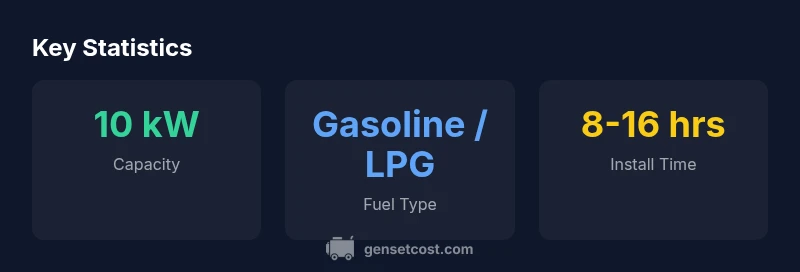
Different fuel options influence running costs, availability, and emissions. Common fuels for a 10kW generator include gasoline, propane, natural gas, and diesel. Each fuel type has trade-offs: gasoline is widely available but storage may be less convenient; propane provides clean burning and longer storage; natural gas offers continuous supply when connected to a gas line, but may be limited by line pressure; diesel engines are durable and efficient but can be noisier and costlier to maintain. Efficiency improves when the unit runs closer to its rated load, so proper sizing and load management are essential. Expect variation in fuel costs over time, and factor that into total ownership costs over the generator’s lifetime.
Installation considerations: permits, transfer switches, and siting
Installation begins with a professional assessment to verify electrical code compliance and local permit requirements. A certified technician should size and install the ATS, manifold, and electrical feeds to the panel. Standby systems typically require a dedicated concrete pad or steel base, weatherproof enclosure, and appropriate exhaust routing. Siting considerations include ventilation, clearance for maintenance, avoidance of exhaust discharge into living spaces, and adherence to setback distances from structures. If you opt for a portable 10kW unit, plan for safe fueling, weather protection, and an external power inlet for easy connection. The right installation minimizes nuisance tripping and ensures rapid, automatic or manual startup as needed.
Cost ranges and budgeting for a 10kW setup
Total ownership costs depend on the chosen configuration, installation complexity, and location. In general, a standby 10kW system with automatic transfer and basic enclosure tends to fall within a broad range, and installation costs can be a major component of the total. Expect a multi-thousand-dollar investment, with total costs varying by factors such as transfer switch size, panel compatibility, labor rates, and local permitting. Planning with a reputable installer and obtaining multiple quotes helps secure a fair price while ensuring compliance with safety and electrical codes.
Maintenance, lifespan, and reliability
Regular maintenance is essential to ensure reliability for a 10kW generator. Follow a manufacturer maintenance schedule that includes oil changes, filter replacements, and spark plug checks as appropriate for the engine type. Periodic testing—under load if possible—helps confirm performance and catch issues before outages. Fuel system upkeep, including stabilizers for stored fuel and periodic fuel replacement, helps prevent degradation. With proper care and routine service, a 10kW generator can provide years of dependable power, though the lifespan varies with brand, usage patterns, and environmental exposure.
Standby vs portable: which is right for you?
Standby 10kW units offer automatic power during outages and are connected to a building’s electrical system via an ATS, delivering seamless comfort with minimal user interaction. Portable 10kW generators require manual setup and are typically moved with a trailer or hand cart; they offer flexibility for occasional use but demand more vigilant operation and fueling discipline. Your choice depends on how often you experience outages, your tolerance for manual steps during a power event, and whether you prefer a permanently installed solution or a flexible, relocatable option.
Getting the most value: practical checklist
- List essential loads and plan a safe load order.
- Verify ATS compatibility and panel ratings before purchase.
- Confirm fuel availability, storage, and refueling safety.
- Schedule professional installation to ensure code compliance.
- Budget for maintenance and periodic testing as part of ownership.