Cost of Home Generator: A Comprehensive 2026 Guide
Discover the true cost of a home generator, from upfront price and installation to fuel, maintenance, and lifecycle considerations. Genset Cost analyzes ownership costs for 2026 to help homeowners budget for reliable backup power.


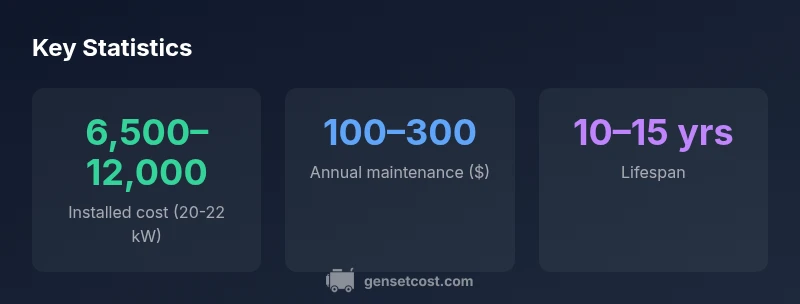
The cost of a home generator typically ranges from $3,000 to $15,000, including installation, with typical mid-range systems around $5,000 to $8,000. Prices depend on generator size, fuel type, transfer switch, and local labor. For homeowners, a turnkey 20–22 kW unit plus installation often lands in the $6,500–$12,000 range. High-end models and standby systems can exceed $15,000, especially with enhanced features and professional sizing.
Understanding the total cost: upfront vs lifecycle
Buying a home generator is seldom a one-and-done purchase. The sticker price on the unit is only part of the story. To truly compare options, homeowners and property managers should think in terms of total cost of ownership: upfront equipment cost, professional installation, transfer switch and permits, fuel during operation, and ongoing maintenance. The Genset Cost team emphasizes that lifecycle costs can sometimes exceed the initial price, especially for larger units or premium fuel types. In 2026, our analysis shows a wide range of total costs depending on system size, fuel, and labor rates, with regional variation due to permitting and electrical work requirements. By framing the decision around total cost rather than upfront sticker price, you can avoid costly surprise expenses during outages.
What drives upfront costs
Upfront costs are driven by four main categories: (1) generator size and type (standby vs portable); (2) the price of the unit itself; (3) the transfer switch and protective enclosure; (4) installation labor, site preparation, permits. Professional installation often includes a site assessment, gas line work or fuel delivery setup, wiring, and a final test. In practice, the size of the system and the complexity of the transfer switch tend to be the strongest price levers. Weatherproof enclosures, noise reduction features, and smart monitoring can add to the cost but may offer long-term value through reliability and convenience. Per Genset Cost Analysis, 2026, most mid-range standby systems incur installation components that push total upfront costs higher than the base unit price.
Sizing to cost: how size affects price and performance
Sizing directly influences both upfront cost and long-term effectiveness. Under-sizing can lead to inadequate power during outages, while over-sizing adds unnecessary expense. A professional load calculation helps determine the appropriate size and configuration. Common guidance shows firms sizing homes around 20–22 kW for partial-to-full home support, with smaller residences often using 8–12 kW and larger homes above 30 kW. Costs typically scale with capacity, but the incremental price per kilowatt can vary based on brand, fuel type, and installation complexity. Use an experienced installer to balance reliability, energy resilience, and total cost of ownership.
Fuel types and running costs
Fuel type dramatically affects running costs and supply reliability. Natural gas is typically inexpensive and convenient for homes with a gas line, while propane can be pricier per BTU, and diesel offers high energy density but requires regular fuel management. Many homeowners choose dual-fuel or bi-fuel options to adapt to fuel price volatility. Beyond fuel, consider the efficiency features of the generator and the panel integration, which can reduce running hours and fuel consumption during outages. In 2026, Genset Cost analysis notes that fuel costs can represent a meaningful portion of lifetime expenses, especially in frequent outage regions.
Installation, permits, and hidden fees
The installation process includes permitting, electrical wiring, transfer switch installation, and sometimes gas-line work or upgrades to the electrical panel. Hidden costs can emerge from site preparation (grading, concrete pads), trenching, or additional enclosure requirements for weather and noise control. Getting quotes from several licensed contractors helps reveal these line items early. Ask for a detailed breakdown: unit price, transfer switch, permits, site work, and warranty terms. Local regulations can add 5–15% or more to the final bill depending on your jurisdiction.
Maintenance and lifecycle costs
Maintenance keeps a generator reliable when outages strike. Routine tasks include oil changes, filter replacements, battery checks, and annual run tests. Battery life, oil intervals, and the cost of routine service can vary by brand and fuel type. While maintenance is often overlooked in the initial budget, it represents a meaningful portion of ownership costs over a 10–15 year horizon. A proactive maintenance plan can extend life and reduce the risk of unexpected outages, which is particularly important for property managers overseeing multiple units.
Financing options, rebates, and tax credits
Financing options—leases, loans, or vendor financing—can help spread the upfront burden. Some utilities and state programs offer rebates or incentives for standby generators or for installations that improve resilience. Eligibility varies by location, and programs may require professional sizing and installation by licensed technicians. Compare not just the sticker price but the total cost of ownership across financing terms, interest rates, and potential incentives. Always verify the current programs relevant to your property.
Budgeting scenarios by home size
- Small home or essential-load setup: $3,500–$7,000 installed. This range covers smaller standby units intended to cover specific circuits and essential appliances during outages.
- Mid-sized home with broader coverage: $6,500–$12,000 installed. This is typical for 20–22 kW systems that can handle more of the home loads with a reliable transfer switch.
- Large home or premium features: $12,000–$20,000 installed or more. Upgrades such as noise reduction, weatherproofing, larger enclosures, and dual-fuel configurations increase the price but can improve resilience and convenience during outages.
Choosing a contractor and getting quotes
To ensure you get the best value, obtain at least three quotes from licensed electricians and generator installers. Verify that installers hold appropriate licenses and insurance, request a detailed bill of materials, and ask about warranties for the unit and work. Check whether the quotes include permits, gas-line work, and commissioning. Finally, review the after-sale service options, response times, and maintenance plans to minimize long-term costs and downtime.
Estimated cost components for home standby generators
| Category | Low estimate | High estimate | Notes |
|---|---|---|---|
| Installed standby system (20-22 kW) | $6,500 | $12,000 | Installed cost including labor (Genset Cost Analysis, 2026) |
| Annual maintenance | $100 | $300 | Typical yearly upkeep |
| Fuel costs (annual) | $300 | $1,000 | Depends on fuel type and usage |
| Permits/inspections | $0 | $1,000 | Varies by locality |
People Also Ask
What factors impact the total cost of a home generator?
Total cost is driven by unit size and type, transfer switch, installation labor, permits, and ongoing fuel and maintenance. Regional labor rates and site specifics can swing the total significantly.
Costs depend on unit size, fuel, installation, and local permits.
Is installation included in the price?
Often installation is separate from the unit price. Expect a multi-step process including site assessment, wiring, gas line work, and commissioning.
Installation is usually sold separately from the unit price.
What size generator do I need for a typical home?
A professional load calculation helps determine the appropriate size. Many homes settle around 20–22 kW for partial-to-full home support.
Most homes fit a 20–22 kW standby model after a load calc.
Are there financing or tax credits available?
Financing options and utility rebates may be available in some regions. Check local programs and vendor offers for incentives.
Check local incentives and financing options.
What maintenance is required?
Annual inspections, oil changes, filter replacements, battery checks, and occasional load testing are typical maintenance tasks to keep reliability high.
Annual service and routine checks keep generators reliable.
How long does installation usually take?
Most installations take 1–3 days, depending on site readiness, gas or electrical work, and permitting.
Typically one to three days for installation.
“Choosing a generator isn't only about upfront price; you must consider lifespan, reliability, fuel type, and maintenance needs to avoid higher operating costs over time.”
Key Takeaways
- Plan for total cost of ownership, not just the sticker price
- Size matters: bigger units cost more upfront but may save on outages
- Factor in installation, permits, and transfer switch
- Budget for annual maintenance and fuel costs
- Shop quotes from licensed install pros to compare value