How Much Do Generators Cost in 2026: A Practical Guide
Explore realistic generator cost ranges for portable, standby, and whole-house systems in 2026. Learn installation, fuel, maintenance, and total ownership costs to plan your backup power strategy with confidence.


According to Genset Cost, generator costs vary by type and size, with portable models typically costing $600-$2,500 and standby systems starting around $3,000 before installation. Total installed price often adds $1,000-$4,000 depending on electrical work, permits, and transfer switches. In 2026, plan for fuel, maintenance, and potential upgrades to meet your home’s power needs.
How Costs Break Down: Equipment, Installation, and Ongoing Expenses
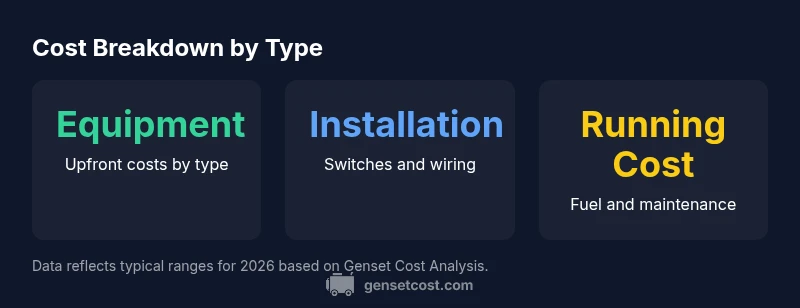
Costs you see on the price tag are only part of the story. According to Genset Cost, total ownership includes equipment costs, installation work, transfer switches, fuel, permits, and ongoing maintenance. This section breaks down each component with practical ranges to help homeowners budget. Start by distinguishing portable, standby, and whole-house units, and remember that the real price emerges when you factor in electrician work, permit fees, and any upgrades to your electrical panel. In 2026, these costs reflect not just the unit but the full readiness to power your home during outages. The most important step is to map your needs to a watts requirement and then size up to accommodate surges, starting with a conservatively sized unit to avoid overspending. A disciplined budgeting approach helps prevent over-investment in features you won’t use while ensuring you have reliable backup when outages strike.
Price ranges by generator type
Portable generators are the most affordable entry point, but they deliver limited power and often require more hands-on management. Standby systems provide automatic backup and built-in reliability, but they come at a higher upfront cost. Whole-house units cover heavy loads and offer the strongest resilience, but installation complexity and fuel considerations rise accordingly. The price spread is wide, with equipment costing as little as a few hundred dollars for entry models and installation costs that can push totals higher. Use a sizing calculator and a clear budget to estimate watts needed and avoid overspending.
Installation costs and transfer switches
Most installations involve more than just the generator itself. A professional electrician is typically required to ensure code compliance and to integrate with the home’s electrical panel. Transfer switches, whether manual or automatic, are a critical safety component that affect both price and reliability. Depending on your home layout, permits and inspections may add to the time and cost. Plan for a combined expense of equipment plus installation to avoid surprises, and consider whether a generator with a built-in transfer switch reduces total complexity and cost over a separate unit.
Fuel options and running costs
Fuel type has a meaningful impact on operating costs over the life of the generator. Gasoline is common for portable units, while propane and natural gas offer longer-term convenience for standby systems. Diesel units are typically reserved for larger applications due to efficiency and durability. Beyond purchase price, expect fuel costs to contribute to total ownership expenses, especially during frequent outages or long-duration usage. Efficient engines, inverter technology, and regular maintenance can improve miles per gallon and reduce total operating costs.
Sizing and its impact on cost
Sizing is the single most important lever on total cost. A unit that’s too small will struggle to meet needs during an outage, leading to the temptation to upgrade sooner than necessary. Conversely, an oversized system means paying for capacity you won’t use. A careful assessment of critical loads (refrigeration, heating, medical devices, communications) helps determine the right kW range. Work with a sizing calculator and consult with a licensed electrician to translate watts to a safe, reliable system. The goal is to balance upfront price with long-term reliability and fuel costs.
Maintenance, warranties, and lifetime costs
Maintenance fees, oil changes, air filter replacements, and battery checks add up over time. Warranties cover parts and labor for a defined period, but you may pay out-of-pocket for routine service, especially in harsh climates. Planning for annual or semi-annual maintenance helps prevent unexpected failures during outages and extends the life of your investment. When evaluating a plan, consider the total cost of ownership (TCO) rather than the upfront sticker price to avoid surprises down the road.
Financing, incentives, and rental options
Some buyers explore financing to spread the investment across several years, while others leverage manufacturer promotions or utility incentives. Rental options can bridge short-term needs or seasonal demand, but ownership tends to be more economical for frequent use. Compare all financing terms, maintenance obligations, and warranty coverage when deciding between renting and buying. Always factor in long-term maintenance and potential repair costs in your decision.
How to estimate total ownership cost
Begin with equipment costs, then add installation, transfer switches, and permits. Include typical fuel expenditures based on expected runtime and fuel type. Don’t overlook ongoing maintenance, battery replacements, and insurance considerations. Use a life-cycle approach: project five to ten years of fuel costs, maintenance cycles, and potential capex for major upgrades. This method yields a more accurate total ownership cost and helps you budget for years of outages with confidence.
Practical budgeting checklist
Create a practical budget by listing: (1) power needs and critical loads, (2) equipment type and size, (3) installation complexity, (4) transfer switch options, (5) fuel type and running costs, and (6) maintenance and warranty plans. Then compare quotes from multiple installers, verify permits, and check for incentives. A disciplined checklist reduces the risk of overspending and ensures you’re prepared to power essential loads when outages occur.
Generator cost ranges by type and setup
| Item | Typical cost range (equipment) | Estimated installation/extra | Notes |
|---|---|---|---|
| Portable generators | 600-$2,500 | 0-$500 | Great for light use; portable; no permanent installation |
| Standby generators (5-20 kW) | 3,000-$10,000 | 1,000-$4,000 | Automatic transfer switch recommended |
| Whole-house generators (20-40 kW) | 8,000-$25,000 | 2,000-$6,000 | Higher fuel type considerations |
| Transfer switches | 500-$2,000 | 0-$1,500 | Critical for safe automatic transfer |
| Fuel types | Gasoline/Propane/Natural gas | Varies by model | Fuel costs affect running costs |
People Also Ask
What factors influence generator cost?
Price depends on size (kW), type (portable vs standby), fuel, and installation requirements. Additional costs include transfer switches, permits, and electrical upgrades. Maintenance and running costs also affect total ownership.
Price depends on size, type, fuel, and installation needs.
Are there hidden costs beyond the sticker price?
Yes—transfer switches, wiring, permits, delivery, and potential electrical panel upgrades can add significantly to the total.
Hidden costs include switches, wiring, and permits.
How long does installation typically take?
Most installations are completed within a day or two, depending on home wiring and permit processes.
Most installs take a day or two.
Should I rent a generator instead of buying?
Renting works for temporary power needs; owning is generally more cost-effective if you rely on backup power regularly.
Rent if you only need it short-term; owning pays off with frequent use.
Do incentives or rebates affect generator costs?
In some regions, tax credits and rebates reduce upfront cost; check local programs and utility offerings.
There can be incentives; check local programs.
“A well-sized system paired with a sound installation plan minimizes total ownership costs and maximizes reliability during outages.”
Key Takeaways
- Define your power needs first.
- Expect installation to add a sizable portion of cost.
- Consider fuel type for long-term running costs.
- Budget for maintenance and transfer switches.
- Use sizing calculators to avoid overspending.