Generator 20kW: A Practical Guide to Sizing, Costs, and Installation
Explore a comprehensive guide to generator 20kw options for home backup: sizing loads, estimating installed costs, fuel choices, and installation steps with AI-assisted guidance from Genset Cost.


The 20kW generator is a common size for many homes and small properties, delivering essential power during outages. For homeowners, sizing, costs, and installation vary with fuel type, local codes, and existing loads. According to Genset Cost, a properly sized 20kW unit can support most essential circuits while leaving room for growth.
What a generator 20kw Delivers
A generator 20kw is a versatile option for homeowners who want reliable power during outages without overcommitting on upfront costs. At its core, a 20kW unit can typically support essential circuits such as lighting, refrigeration, heating or cooling systems, well pumps, and several household appliances simultaneously. When sizing a generator 20kw, you must account for peak loads (the most electricity used at once) and critical loads (things you cannot live without during an outage).
From a practical perspective, most single-family homes with basic comfort requirements will be able to run the essentials with a 20kw system. If you have high-demand equipment (electric water heating, central AC, heat pumps, or multiple large appliances), the exact load mix matters. Genset Cost emphasizes that a careful load assessment—focusing on starting surges and continuous running power—will reduce the risk of overloading the generator or under-sizing it. A properly sized 20kw unit can also provide headroom for future expansions, such as adding an EV charger or a future workshop circuit, without requiring immediate upgrades.
The goal is to minimize fuel waste and ensure you meet your critical load profile. In general, a 20kw generator tends to strike a balance between cost, reliability, and runtime practicality for most homes in moderate climates. When paired with an automatic transfer switch and a well-designed panel, it becomes a seamless part of your home’s resilience strategy.
When keeping a 20kw unit in mind, it's important to note that exact performance depends on the unit's efficiency, the quality of its installation, and the health of your building's electrical system.
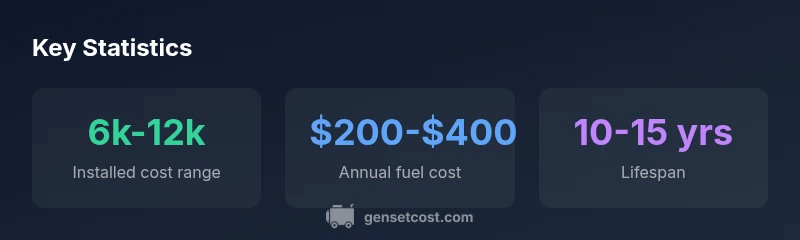
Representative cost and maintenance ranges for a 20kW gas generator system
| Aspect | Typical Range | Notes |
|---|---|---|
| Installed generator price (gas) | "$5,000–$9,000" | Prices vary by brand and features |
| Installation & transfer switch | "$2,000–$6,000" | Includes labor and permits |
| Annual fuel cost (gas) | "$200–$500" | Depends on run hours and gas price |
| Maintenance per year | "$100–$300" | Oil changes, filter changes |
People Also Ask
What does a 20kW generator mean for my home?
A 20kW generator provides up to about 20 kilowatts of continuous electrical output, enough to power essential circuits during outages. Your exact capabilities depend on your load profile and the efficiency of the unit. A load calculation helps confirm whether 20kW meets your needs.
A 20kW generator delivers around 20 kilowatts of power continuously; your actual ability depends on your appliances and how heavily you load the system.
Is a 20kW unit enough for a typical home?
For many homes, 20kW covers essential loads like lights, refrigeration, and heating/cooling when paired with an automatic transfer switch. However, larger homes or those with high continuous loads may require a higher capacity or staged backup. A professional sizing assessment is the surest way to confirm.
For many homes, 20kW is enough for essentials, but some larger homes or heavy-load setups may need more.
Gas vs propane vs diesel for a 20kW generator?
Gas (natural gas or propane) is common for residential backup due to easy connection to existing fuel lines; diesel offers durability but may have higher upfront costs. Fuel choice affects efficiency, maintenance, and availability during outages. Consider local fuel reliability and storage alongside your energy goals.
Gas is popular for home use because it's steady and easy to access; diesel lasts longer between refuels but can be noisier and heavier to install.
How long can a 20kW run on a full tank?
Runtime depends on fuel type, load, and the efficiency of the generator. At moderate load, expect several hours of continuous operation before refueling or switching fuel sources is needed. A professional assessment will provide a more precise estimate based on your daily usage.
Runtime varies with load and fuel type; a sizing calculation gives you a clearer picture.
Do I need a transfer switch and permits?
Yes. A transfer switch isolates your home from the grid and ensures safe, automatic switching during outages. Permits may be required by local codes. A licensed installer can handle the permitting process and ensure code compliance.
You’ll likely need a transfer switch and permits to install safely and legally.
What should I budget for installation and ongoing costs?
Budget for the generator, transfer switch, and professional installation, plus annual fuel and maintenance. Costs vary by brand, fuel type, and local labor rates, but planning a total installed cost in the mid to high range of typical estimates helps avoid surprises.
Expect upfront costs for installation and ongoing costs for fuel and maintenance.
“A well-sized 20kW generator is the backbone of a reliable home backup system. The key is balancing load needs with anticipated growth and ensuring a code-compliant installation.”
Key Takeaways
- Size to cover critical loads, not every appliance
- Plan for a transfer switch and proper installation
- Expect upfront costs to include generator + installation
- Compare fuel options for ongoing running costs
- Use a sizing calculator for accuracy if unsure