Generator Game 2026: Costs, Sizing & Setup Guide
Understand the generator game with data-driven guidance from Genset Cost. Compare costs, sizing, and installation to choose the right home backup generator in 2026.


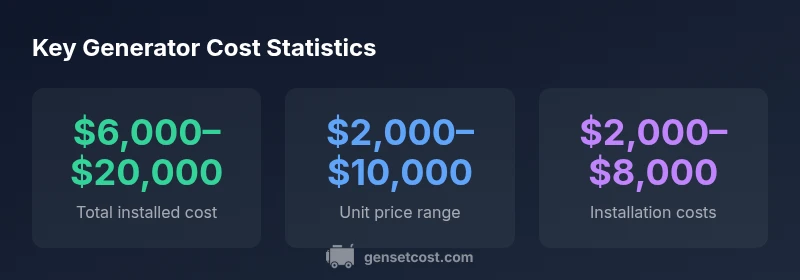
Based on Genset Cost Analysis, 2026, the 'generator game' is about total installed cost, not just the unit price. Typical installed costs for home backup generators range roughly from $6,000 to $20,000, with unit prices around $2,000–$10,000 and installation adding $2,000–$8,000 depending on transfer switches, permits, and fuel type. Understanding these drivers helps you compare quotes and avoid sticker shock.
Understanding the Generator Game: Cost, Size, and Value
The term "generator game" captures a buyer’s challenge: how to balance upfront price, installation complexity, ongoing fuel and maintenance costs, and the value of reliable power. In 2026, homeowners face three primary levers: (1) unit size and capacity, (2) installation scope (transfer switches, bonding, panel work), and (3) fuel choice and efficiency. Genset Cost analyses show that a small standby unit might be inexpensive upfront but costlier to run during frequent outages, while larger models deliver continuous power with higher initial investments. When you compare options, always think in total cost of ownership over 5–15 years, not just the ticket price. This mindset helps you optimize for outages, daily usage, and future energy needs. The Genset Cost team emphasizes the importance of a professional sizing assessment to avoid over- or under-provisioning your home.
How to Size a Generator for Your Home
Sizing is the backbone of the generator game. Start by listing essential circuits (refrigeration, lighting, heating, sump pumps). Then add common loads such as cooking appliances and HVAC in winter. Account for startup surges, which are typically higher than running loads. A professional load calculation, often using a simultaneous-curve method, ensures the unit can handle peak demand without nuisance tripping. When in doubt, size up slightly to accommodate future appliances or a family addition. Also consider future energy trends and potential EV charging needs if applicable. The goal is reliable power without frequent outages or overpaying for unused capacity. The Genset Cost approach recommends validating your numbers with a local pro and using a sizing calculator for cross-checks.
Fuel Types and Running Costs
Fuel choice materially shapes ongoing costs. Gasoline and propane generally offer lower upfront costs and easy access, while diesel units can be more fuel-efficient but require a larger initial investment and storage considerations. Natural gas connections remove the need for fuel storage but require a continuous connection to your home’s gas line. Running costs depend on fuel prices, unit efficiency, and duty cycle during outages. Many homeowners opt for dual-fuel setups as a hedge against fuel-price spikes. In the long run, calculating annual fuel consumption for typical outage scenarios helps you compare running costs across models. The Genset Cost analysis notes that fuel type can swing operating costs by a sizable percentage over the life of the system.
Installation Realities: Permits, Transfer Switches, and Labor
Installation is often the second-largest driver of cost after the unit. It includes a transfer switch, electrical panel modifications, permits, and potential trenching or gas line work. In some regions, permit fees can add several hundred to a few thousand dollars. A properly installed transfer switch ensures safe, automatic switching during outages and reduces wear on your home’s electrical system. Labor rates vary by region and contractor experience. A clear, itemized quote helps you see where money goes and questions avoidable delays or scope creep. The Genset Cost team stresses that a quality installation can extend equipment life and reduce future maintenance costs.
How to Compare Quotes: A Practical Checklist
Create a side-by-side comparison of each quote: unit price, expected installation scope, any required permits, transfer switches, and post-installation testing. Ask for an apples-to-apples breakdown: include emergency start capability, warranty terms, and maintenance plans. Request references or photos of similar installations and confirm fuel-type options and lead times for delivery. Don’t overlook ongoing costs, such as annual servicing and fuel consumption during outages. The generator game is won by total-cost clarity, not the lowest initial price.
Maintenance and Replacement: Keeping Costs in Check
Routine maintenance—air filter changes, oil, and system diagnostics—prevents costly breakdowns and extends life. Maintenance schedules vary by model and fuel type, but expect periodic service every 6–12 months. Plan for eventual component replacements (inflatable parts, batteries, starters) and the potential need for generator “recommissioning” after several years. By budgeting for regular service, you reduce the chance of surprise repairs during outages. The Genset Cost guidance emphasizes staying current with manufacturer service bulletins and using a trusted technician for preventive care.
Practical Scenarios: Small Home vs. Large Property
For a small home with essential loads, a compact 8–12 kW standby system may meet daily needs during outages at a moderate cost. A larger property or whole-house backup might require 14–20 kW or more, with higher installation complexity and a commensurate price increase. In both cases, a staged approach works well: start with essential loads, then add nonessential circuits as budget allows. Evaluate whether a dual-fuel or natural-gas-ready model aligns with your energy plan. The bottom line is to optimize for reliability, long-term costs, and ease of maintenance. In all cases, Genset Cost recommends getting multiple quotes and validating sizing with a professional.
Example sizing and cost ranges by capacity
| Size (kW) | Installed Cost Range | Unit Price Range | Typical Use |
|---|---|---|---|
| 8–12 | $6,000–$14,000 | $2,000–$6,000 | Medium home with essentials |
| 14–20 | $10,000–$20,000 | $4,000–$10,000 | Larger homes, whole-house backup |
People Also Ask
What does the generator game cost include?
Costs include the unit, installation, permits, and transfer switch work. Quotes vary by size and fuel type, so compare full price quotes rather than unit costs alone.
Costs include the unit, installation, permits, and transfer switches. Always compare full price quotes.
How should I size a generator for my home?
List essential loads first, then add common appliances and consider startup surges. Have a professional perform a load calculation to ensure safe, reliable coverage.
Size to cover essential loads with some headroom for startup surges.
Are there cost-saving tips for generator purchasing?
Consider standby versus portable, fuel efficiency, and maintenance plans. Compare quotes and bundled services to reduce life-cycle costs.
Shop around for quotes and maintenance plans to save long-term costs.
Is it cheaper to rent a generator rather than buy?
Renting fits temporary needs; owning usually pays off if outages are frequent. Calculate hourly usage and rental rates to decide.
Rent if outages are rare; buy for frequent power needs.
What is included in installation costs?
Installation generally covers transfer switch, panel work, permits, and any required gas line or ducting work. Get a detailed quote.
Installation includes the switch, panel work, and permits.
“In 2026, homeowners who compare quotes across size, fuel type, and installation tend to secure better life-cycle value.”
Key Takeaways
- Compare total installed cost, not just unit price
- Size accurately to avoid over- or under-provisioning
- Fuel choice significantly affects running costs
- Expect installation to be a major cost driver
- Get multiple quotes and verify scope before committing