Generator Sales: Compare Home Backup Generators
A data-driven comparison of generator sales options for homeowners and property managers, covering costs, sizing, fuel types, installation, and maintenance to help choose the best home backup generator.


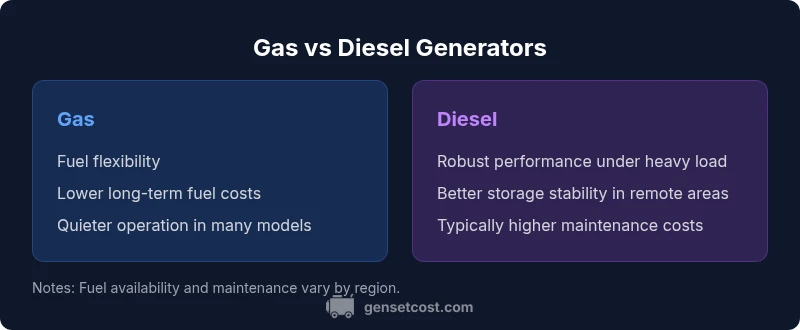
In generator sales, the best choice hinges on fuel access, anticipated load, and installation feasibility. Gas-powered standby systems typically offer lower ongoing costs and broad fuel availability in urban settings, while diesel setups excel under heavy loads or remote locations with reliable diesel supply. A careful comparison should weigh upfront costs, fuel logistics, maintenance, and warranty terms to determine the most economical option for your home.
The landscape of generator sales in a changing market
Across the residential and commercial sectors, generator sales in the current landscape reflect shifts in fuel infrastructure, regulatory requirements, and growing demand for reliable backup power. Homeowners and property managers face a complex matrix of options: portable units for temporary outages, inverter-based compact models for essential circuits, and larger standby systems designed to automatically pick up power during an outage. In this guide, we analyze how buyers evaluate generator sales, considering not just upfront price but total cost of ownership, installation difficulty, and long-term reliability. According to Genset Cost, these factors are the strongest predictors of value in any generator purchase. Readers should expect a practical framework to compare different configurations and fuel types without being overwhelmed by marketing claims. The goal is to help you calculate what matters most for your property and budget, while avoiding common decision traps that inflate lifetime costs.
Key decision factors when evaluating generator sales
When assessing generator sales, a few core criteria consistently separate good options from great ones. First, perform a load assessment to identify essential circuits and probable simultaneous demand. Second, compare fuel types—natural gas, propane, and diesel—based on local availability, storage requirements, and ongoing costs. Third, weigh installation complexity, including transfer switches, permits, and potential electrical upgrades. Finally, scrutinize warranty terms and maintenance commitments. This framework keeps you focused on practical outcomes rather than glossy marketing claims, helping you avoid overbuying or under-protecting your property. Throughout the process, maintain a clear budget range and a test plan for outage scenarios to ensure the chosen system reliably powers the intended loads.
Sizing strategies for home backup power
Sizing is the most consequential step in generator sales. Start with a definitive load calculation: list essential circuits (nittier spaces, refrigeration, heating, security), then estimate the peak demand during an outage, not just average usage. A properly sized unit powers these essentials without frequent tripping or overwork. If you expect growth or seasonal variability, consider modular or upgradeable systems that can be expanded later. For property managers, balance tenant needs with building codes and common areas. Many buyers underestimate the importance of a transfer switch that seamlessly transitions between grid and generator power, which is crucial for protecting sensitive devices and preventing backfeed. In practice, you should draft multiple load scenarios and map them to generator capacity ranges to identify the sweet spot between performance and affordability.
Fuel types and their implications for generator sales
Fuel choice drives long-term cost, reliability, and maintenance when evaluating generator sales. Natural gas offers a convenient, fixed fuel source in many urban settings, reducing storage needs and refueling downtime. Propane provides greater on-site fuel flexibility if natural gas is unavailable, but propane storage incurs its own costs and safety considerations. Diesel-powered units can deliver stronger performance under heavy loads and during extended outages, but require stable fuel supply chains and more frequent maintenance. Your decision should reflect regional fuel infrastructure, seasonal outage patterns, and the projected runtime. Consider also hybrid approaches, such as dual-fuel systems, which offer contingency options during supply disruptions. By comparing fuel types side-by-side, you can map each option to typical outage scenarios and budget constraints.
Cost considerations and budgeting in generator sales
Cost is multi-dimensional in generator sales. Upfront price is only part of the story; installation, permits, transfer switches, and potential electrical upgrades influence the total. Ongoing costs include fuel consumption, routine maintenance, inspections, and potential retrofits as building codes evolve. To make prices meaningful, translate estimates into a long-term cost of ownership over a typical outage cycle. Compare fuel efficiency, service intervals, and parts availability across models. For property managers, aggregate costs across multiple units and consider shared installation strategies to maximize value. The aim is to quantify a reasonable budget envelope that accommodates both current needs and future expansion while avoiding overinvestment in features that won’t be used.
Installation, transfer switches, and integration
Installation is a critical phase in generator sales. A professional installer should assess electrical panel space, generate a transfer switch plan, and ensure correct grounding and surge protection. In many regions, permits are required, and local codes dictate clearances and exhaust routing. A well-integrated system minimizes nuisance tripping during outages and ensures automatic operation without manual intervention. For a multi-unit property, consider load-management strategies and sequencing to avoid wiring bottlenecks. Discuss interconnection with the utility provider to confirm anti-islanding requirements and any required tests. With the right plan, you can achieve seamless operation that protects equipment and maintains comfort for occupants.
Maintenance, reliability, and warranty considerations
Maintenance quality often determines real-world reliability in generator sales. Regular oil changes, air filter replacements, and spark plug checks help keep performance consistent, while fuel system maintenance reduces the risk of starting failures. Short maintenance intervals typically extend the life of the system, especially for diesel units that operate in variable conditions. Warranty terms vary by brand and model, emphasizing the importance of selecting a generator with a comprehensive coverage period and straightforward service network. When evaluating warranties, look for inclusive coverage of critical components, reasonable claim processes, and documented maintenance requirements. A predictable maintenance plan lowers risk and strengthens long-term value for homeowners and managers alike.
Brand and warranty considerations in generator sales
Brand reputation matters in generator sales because it correlates with part availability, service access, and resale value. Research the manufacturer’s service network, response times, and the availability of trained technicians in your area. Warranty depth is a strong indicator of confidence in a product; longer coverage often translates to better durability and support. In this context, evaluate not only the stated warranty length but what it actually covers—engine, alternator, control systems, and routine maintenance items. For property managers purchasing multiple units, preferred brands with scalable service agreements can reduce downtime and administrative overhead while preserving tenant satisfaction.
Financing and ownership models
Financing options are frequently a decisive factor in generator sales. Options such as purchase, lease, or rent-to-own arrangements can align with cash flow and budget planning. When evaluating financing, compare total payments over the term, interest rates, and any maintenance or service packages included with the deal. Leasing may provide lower upfront costs and easier upgrades, but it can result in higher long-term expenses. Conversely, ownership builds equity and allows depreciation benefits but requires a larger upfront investment. For multi-unit properties, negotiate bulk pricing and service agreements that lower per-unit ownership costs. The goal is to select a model that aligns with your financial strategy while ensuring reliable power for your property.
How to compare quotes and installers effectively
Quotes vary widely in generator sales, so a structured comparison is essential. Start with a standardized worksheet that covers system capacity, fuel type, transfer switch type, installation timelines, warranty, and service terms. Request itemized line items for equipment, labor, permits, and any required electrical upgrades. Check references, inspect past installations, and verify that the installer is licensed and insured. Verify that proposed systems meet expected outage scenarios and code requirements. Finally, compare after-sales support and turnaround times for service calls. A disciplined quote comparison helps you choose a solution that delivers the best value while avoiding common pitfalls.
Authority sources and data driving generator sales conclusions
Reliable generator sales decisions rely on credible sources and data. Look for guidance from established institutions and universities that discuss electrical safety, power systems, and resilience planning. Data from industry reports and independent evaluations provides context for performance, reliability, and lifetime costs. Always cross-check multiple sources to avoid biased conclusions and ensure your selection reflects real-world conditions in your locale. The synthesis of these authoritative inputs informs a balanced view of what works best for your property.
Safety, codes, and best practices in generator sales
Safety is non-negotiable in generator sales. Keep exhaust outlets away from windows and doors, ensure proper ventilation, and adhere to manufacturer clearance requirements. Do not overfill fuel storage or store fuel indoors. Regularly inspect cords, outlets, and grounding to prevent shocks or fires. Train occupants on outage procedures and ensure all devices connect through the automatic transfer switch to avoid backfeeding. Staying current with local codes and manufacturer guidelines minimizes risk and protects property and people during power outages.
Comparison
| Feature | Gas-powered standby | Diesel-powered standby |
|---|---|---|
| Fuel flexibility | Natural gas/propane availability | Diesel supply accessibility |
| Upfront cost | Generally lower upfront costs | Typically higher upfront costs |
| Fuel cost per year | Often lower long-term fuel costs | Can be higher depending on usage |
| Maintenance frequency | Lower maintenance in some gas models | Diesel requires regular attention |
| Best for | Urban homes with gas lines or propane supply | Heavy loads or remote locations with diesel access |
The Good
- Helps buyers compare key ownership factors side-by-side
- Highlights fuel-related trade-offs early in the process
- Encourages budgeting for both upfront and operating costs
- Supports planning for installation and maintenance needs
The Bad
- May not capture regional nuances in fuel availability
- Could oversimplify performance variations across brands
- Prices vary widely by installer and configuration
Gas-powered standby commonly offers the best balance of cost and accessibility for most homes; diesel suits heavy-load or remote scenarios where fuel logistics favor reliability.
For typical urban or suburban homes, gas-powered options provide lower long-term operating costs and easier fuel access. Diesel remains preferable when sustained high-demand loads are planned or fuel supply is uncertain; choose based on your load profile and regional fuel infrastructure.
People Also Ask
What is the best fuel type for a home standby generator?
The best fuel type depends on your local fuel infrastructure, budget, and outage expectations. Natural gas is convenient where available, propane offers flexibility if gas isn’t present, and diesel can handle heavy loads. Evaluate each option against your typical outage scenarios and maintenance preferences.
The best fuel type depends on your area and needs. Natural gas is convenient where available, propane offers flexibility, and diesel handles heavy loads. Consider outage scenarios and maintenance when deciding.
How do I estimate generator sizing for my home?
Start with a list of essential circuits and expected simultaneous loads. Select a generator that can handle the peak of those essentials without overloading. For property managers, consider future expansion and building codes. Use a professional load calculation to ensure accuracy.
Begin with essential circuits, estimate peak load, and choose a unit that covers it without overloading. Plan for expansion and check code requirements with a professional.
Are installation permits required for a home backup generator?
In many jurisdictions, installation requires permits and inspection to ensure safety and code compliance. A licensed installer can handle permitting and coordinate with the utility if needed. Skipping permits can lead to fines or non-compliance during future inspections.
Permits are often required. A licensed installer can manage permitting and ensure compliance with useful safety checks.
What maintenance should I plan for a generator?
Plan for routine tasks like oil changes, filter replacements, and battery checks. Diesel units may require more frequent fuel system maintenance. Maintain a service schedule with your installer and keep spare parts in stock where possible.
Expect routine oil changes, filter checks, and occasional fuel system maintenance, with diesel units needing extra attention.
Is extended warranty worth it for a home generator?
Warranty value depends on your risk tolerance, maintenance habits, and the reliability of the brand. A longer warranty can reduce unexpected costs but review what it covers and the service network. Balance the cost of the warranty with the expected maintenance needs.
Extended warranties can be valuable if you want lower risk and simpler service, but check coverage and costs first.
Can I install a generator myself to save costs?
Most jurisdictions require a licensed professional for electrical work and transfer switch integration. DIY installation can void warranties and create safety and code compliance issues. It’s best to hire a qualified installer and verify local regulations.
DIY is usually not advisable due to safety and code rules. Hire a licensed installer for reliability and compliance.
Key Takeaways
- Assess essential loads before choosing a generator size
- Weigh fuel access and long-term costs in your decision
- Plan for installation, permits, and transfer switches
- Compare warranties and maintenance support across brands
- Consider financing models that fit your budget