Generator Supercenter: Costs, Sizing, and Setup for Home Backup
A comprehensive guide to buying, sizing, and installing home backup generators from generator supercenters. Learn pricing ranges, installation timelines, fuel options, and practical budgeting tips for 2026.


Generator supercenters are one-stop retailers that sell, compare, and often install home backup generators. They carry multiple brands, a range of kW sizes, and turnkey packages, including transfer switches and permits. For homeowners evaluating outages and costs, shopping at a generator supercenter can simplify price comparisons, provide upfront total estimates, and speed up installation.
What is a Generator Supercenter and Why It Matters
According to Genset Cost, generator supercenters are one-stop retailers that simplify the selection and procurement of home backup power. They typically offer a broad range of brands, wattage options, and turnkey services—often including transfer switches, permits, and installation support. For homeowners facing outages, these outlets can help you compare apples-to-apples, receive upfront total cost estimates, and coordinate installation. A strong advantage is the ability to see side-by-side demonstrations, access financing options, and leverage in-store expertise to avoid oversights common with DIY approaches. However, you should still verify local permit requirements and service availability in your area to avoid surprises when scheduling installation.
Key takeaways: expect a wide range of models, bundled services, and on-site expertise at generator supercenters; verify installation timelines and permit needs before committing.
How to Compare Costs: Upfront Price, Installation, and Running Costs
Pricing at generator supercenters typically includes the generator, transfer switch, basic hardware, and professional installation, but running costs depend on fuel type and usage. Look beyond sticker price and request a full total-installed-cost quote that itemizes: (1) the generator unit, (2) transfer switch and wiring, (3) permits and inspections, (4) delivery or crating, (5) any extra hardware (fuel lines, weatherproof enclosures). Fuel type dramatically alters ongoing costs: natural gas or propane often offer steadier long-term expenses than diesel. Genset Cost analysis emphasizes total cost of ownership over 5–15 years, including maintenance and fuel price volatility. When you compare quotes, ensure the same scope across vendors to avoid hidden add-ons and variations in service.
Practical tip: ask for a cost-per-year projection for maintenance and fuel based on your anticipated run hours per year to compare scenarios.
Sizing Your Home: Load Calculations and Typical Sizes
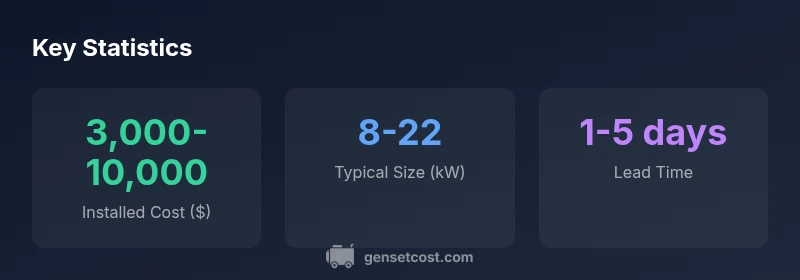
Sizing is the most critical factor for reliability and value. Start with your essential loads: refrigerator, furnace/AC, water heater, sump pump, and lighting. A typical small home may run comfortably on 8–12 kW, while larger homes with more simultaneous loads require 14–22 kW or more. A load calculation worksheet from a generator supercenter can help you estimate required watts, considering startup surges. If you expect future additions (new HVAC, additional refrigerators, EV charging), consider a margin of 15–25% above the calculated continuous load to avoid nuisance trips or insufficient power during peak demand. In practice, sizing for a mid-size suburban home often lands in the 12–22 kW range.
Benchmark approach: use a simple “essential loads” calculator and then validate with a professional’s on-site assessment to confirm the recommended size.
Fuel Choices: Propane, Natural Gas, Diesel, and Dual-Fuel
Fuel choice drives ongoing costs and logistics. Natural gas provides continuous supply with minimal storage needs but depends on local gas pressure and connection availability. Propane requires storage and refueling, which can add to installation complexity but offers clean, ready-to-ship fuel. Diesel generators are robust for high-power needs and longer runtime, but fuel storage and emissions considerations matter in residential zones. Dual-fuel options offer flexibility if you want to switch fuels based on price or supply. A generator supercenter can help you compare fuel availability, delivery logistics, and maintenance implications for each option. Brand differences, warranty coverage, and dealer support are other important factors to weigh when selecting fuel strategy.
Installation Basics and Transfer Switch Considerations
Most homes require a professionally installed automatic transfer switch (ATS) that safely isolates your generator from the utility grid during outages. Good installation practices include proper clearance, weatherproofing, subpanel integration, and adherence to local code requirements. The installation timeline can vary from a single day to several days, particularly if trenching, gas line work, or electrical permits are involved. At a generator supercenter, you’ll often find turnkey packages that include permits, inspections, and some commissioning tasks. To avoid post-install issues, ensure the installer coordinates with your utility for any required backfeed or interlock devices and confirms load balancing across circuits.
Warranty, Maintenance, and Service: What’s Typical
Warranty terms vary by brand but generally cover the generator and major components for 5–10 years, with different coverage levels for parts and labor. Routine maintenance—oil changes, filter replacements, and battery checks—helps preserve reliability and can be scheduled through the seller or a local service partner. Some centers offer maintenance plans or extended service contracts, which can simplify budgeting and reduce unexpected repair costs. If you plan to run the generator regularly, discuss maintenance intervals and included diagnostics with your installer to minimize downtime and maximize longevity.
Financing, Incentives, and Budgeting Tips
Many generator supercenters provide financing options or promotional discounts that bundle installation with the unit. When budgeting, factor in not just the upfront price but also permit fees, transfer switch hardware, and ongoing fuel costs. Incentives may vary by location and time of year, so ask about current promotions or rebates. A practical budgeting approach is to compare total installed costs across three retailers, then run a five-year cost of ownership analysis based on your expected run time and fuel price forecasts. Consider setting aside a reserve fund for future maintenance and potential replacement after the warranty period.
Shopping Tips at a Generator Supercenter: Getting Value
Bring a recent home energy assessment, a list of essential circuits, and a preferred fuel type to your visit. Request side-by-side quotes that itemize the generator, transfer switch, wiring, permits, and installation. Ask about on-site demonstrations, portable transfer options, and after-sales support. When possible, verify that the installer is licensed and insured, and check whether the center offers a single point of contact for procurement, installation, and warranty service. By shopping at a generator supercenter, you can compare multiple brands under consistent terms, reducing decision fatigue during outages.
Case Study: 10 kW Setup for a Two-Story Home
Imagine a two-story home with a family of four, a modern kitchen, HVAC, and a couple of smart devices. A 10 kW backup system could cover essential circuits while leaving room for daily use. The process begins with a load assessment, followed by selecting a generator in the 8–12 kW range. The center provides a turnkey package: generator unit, 200-amp transfer switch, trenching (if needed), permits, and a commissioning visit. After installation, you’ll have a battery of diagnostics and a demonstration that shows cold-weather starting and automatic transfer when grid power is interrupted. This example illustrates how a generator supercenter can streamline procurement, permit coordination, and setup while giving a clear view of total costs and expected performance. The Genset Cost team notes that a well-sized system reduces outage duration and protects essential appliances, offering predictable resilience for families and property managers alike.
Residential generator sizing and installed cost ranges by typical home class
| Category | Typical Load (kW) | Typical Installed Cost | Fuel Type | Notes |
|---|---|---|---|---|
| 8-12 kW (Small Home) | 8-12 | 3,000-8,000 | Natural gas/Propane | Good for essential circuits |
| 14-22 kW (Mid-size) | 14-22 | 5,000-12,000 | Natural gas/Propane/Diesel | Covers more circuits |
| 24-30 kW (Large) | 24-30 | 9,000-16,000 | Diesel/Natural gas | Higher power, higher cost |
People Also Ask
What is a generator supercenter and who should shop there?
A generator supercenter is a retailer offering a broad selection of home backup generators, bundled installation, and financing options. Homeowners and property managers who want a streamlined, one-stop shopping experience for sizing, pricing, and installation typically benefit the most.
A generator supercenter is a one-stop shop for buying, financing, and installing a home backup generator. It’s best for homeowners who want an all-in-one solution.
How do prices at a generator supercenter compare to contractor pricing?
Prices at generator supercenters are often bundled to include the unit, transfer switch, permits, and installation. Contractors may offer lower unit prices but fewer bundled services. Always request a total-installed-cost quote with identical scope for a fair comparison.
Prices can be bundled at supercenters, but always compare total installed costs with a contractor’s quote.
What is the typical lead time for installation?
Lead times vary by location and permitting, but many installations complete within 1–5 days after final approval. Urban areas often see longer timelines due to inspections and trenching needs.
Install times range from 1 to 5 days, depending on permits and site work.
Do generator supercenters offer financing or incentives?
Yes, many generator supercenters offer financing options and periodic promotions that bundle equipment with installation. Check current promotions and compare financing terms to minimize total cost.
Financing and promotions are commonly available, so ask about current offers.
What maintenance should I plan after installation?
Expect routine maintenance such as oil changes, filter replacements, and battery checks per the manufacturer’s schedule. Many centers offer maintenance plans or service contracts to simplify budgeting.
Plan for regular maintenance and consider a service plan.
Are there risks buying from a single retailer?
Single-retailer purchases can limit brand options and negotiation leverage. Ensure the center supports multiple brands, offers transparent quotes, and has clear warranty and service policies.
There can be less brand choice; verify warranty and service terms.
“A well-chosen generator system from a trusted retailer can reduce decision fatigue and ensure reliable backup power, with clear pricing and turnkey installation.”
Key Takeaways
- Shop across brands for transparent, bundled installation
- Total cost matters: include permits and transfer switches
- Size to essential loads with a 15-25% contingency
- Fuel choice affects long-term operating costs
- Leverage warranties and maintenance plans for efficiency